
US Embassy Issues Critical Rainy Season Alert for Costa Rica: Flash Floods and Mudslides Threaten Travelers Through November 2026
The US Embassy in San Jose has issued an urgent seasonal safety warning as Costa Rica's intense rainy season peaks, threatening travelers with flash floods, mudslides, and terrain hazards through November.

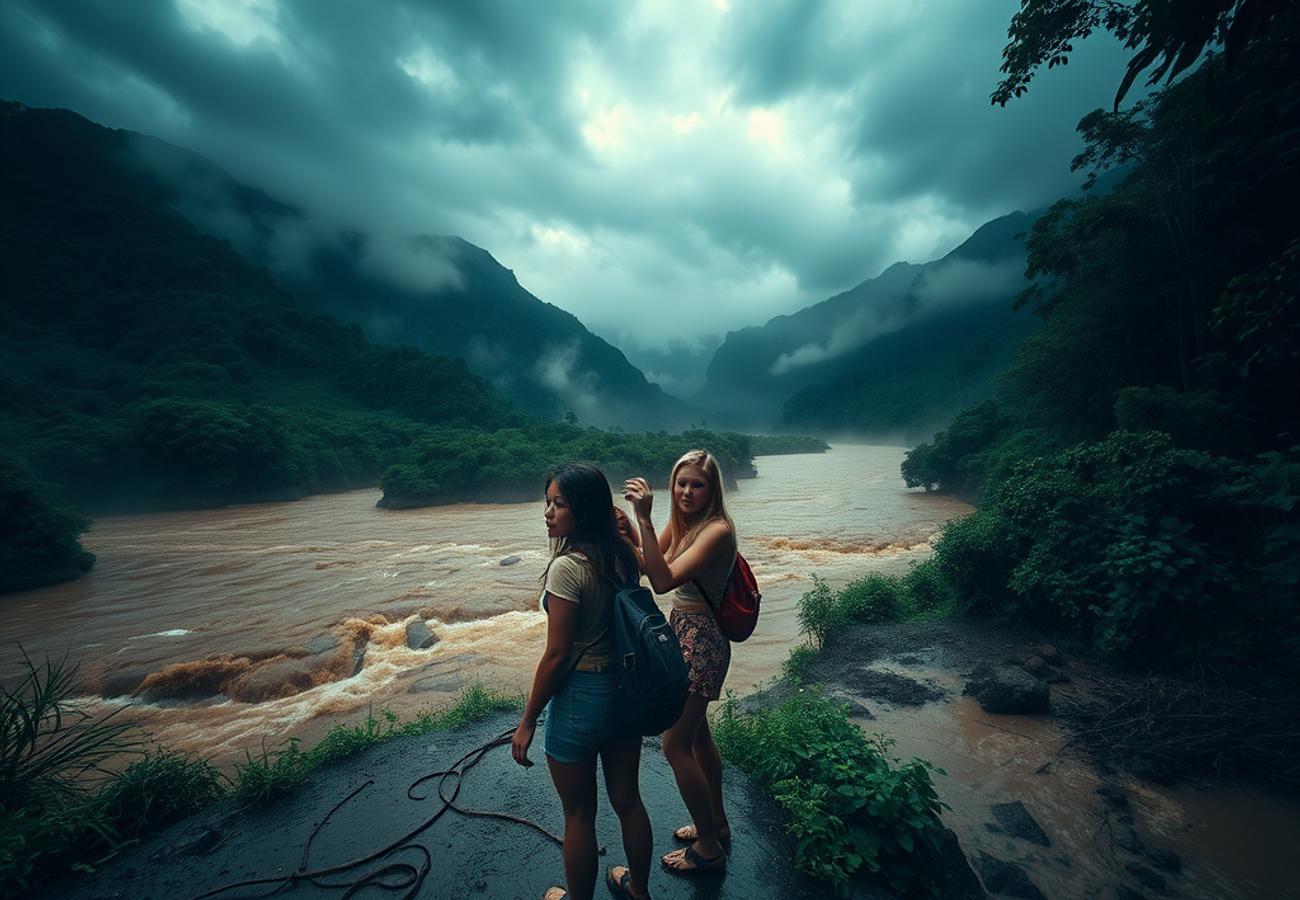
Image generated by AI
The US Embassy in San Jose has deployed an urgent seasonal safety alert as Costa Rica enters the peak months of its devastating rainy season. What sounds like a routine diplomatic message carries serious weight: travelers planning jungle hikes, waterfall visits, or national park adventures face genuine life-threatening hazards until November.
I witnessed firsthand how quickly the landscape transforms here. One moment the emerald hills glow under filtered sunlight. The next, torrential downpours transform serene riverbeds into roaring death traps.
The Science Behind the Danger
Costa Rica's National Meteorological Institute confirms that the wet season runs intensely from May through November, dumping extraordinary volumes of rainfall across both the Pacific and Caribbean slopes annually. This isn't a light drizzle—we're talking about the kind of sustained precipitation that fundamentally rewrites the terrain.
The most terrifying phenomenon is what locals call cabezas de agua: massive, high-velocity flash floods that surge down riverbeds without any warning whatsoever. Here's the critical detail that catches tourists off-guard: a river can transform into a lethal torrent even when the sky directly above you remains clear. The deluge originates from rainfall miles upstream in the mountains.
Government safety analysts emphasize that while the lush landscape appears extraordinarily beautiful under heavy cloud cover, hidden geological structures become intensely unstable. The consequences are severe.
Immediate Threats to Travelers
Flash floods represent the most dangerous hazard. According to federal travel portals and public safety registries, these walls of water originate from inland rainfall high up in mountain regions, meaning hikers and swimmers face sudden danger despite clear conditions at their location.
Reddit: "I nearly got swept away at a waterfall in Monteverde last July. The water rose so fast I couldn't reach the bank. A guide literally pulled me out." — r/CostaRicaTravel
Beyond water threats, mudslides regularly close rural corridors and major highways. Rugged terrain can dissolve into treacherous mud within minutes. Travelers frequently encounter sudden road closures requiring drivers to exert extreme caution and monitor real-time navigation platforms constantly to avoid becoming stranded in isolated zones.
Mountain fog poses a third, often-overlooked hazard. Visibility can plummet to dangerous levels, making navigation nearly impossible without professional guidance.
The Tourism Industry Response
Managing international visitor flow during peak tropical weather demands coordinated effort from regional transit networks and emergency response bodies. The National Emergency Commission (CNE) works directly with park rangers to monitor water levels and temporarily close vulnerable trail networks when conditions deteriorate.
Tourism data reveals a paradox: the green season offers lower flight costs and fewer crowds, yet demands much higher safety compliance. Diplomatic representatives from the consular affairs bureau stressed that staying updated on shifting weather trends is essential to responsible international exploration.
The official guidance is unambiguous: rely entirely on certified professional guides who possess intimate knowledge of local topography and water behavior. Aviation and ground transportation sectors maintain flexible scheduling to account for sudden weather delays, keeping passenger safety as the absolute highest priority.
Essential Safety Directives for Travelers
The emergency teams advise memorizing several crucial protocols before departure:
Aquatic Boundaries: Avoid entering fast-moving water systems entirely. Never swim in rivers immediately following heavy downpours due to rapidly accelerating currents. Check Google Maps and the National Meteorological Institute for real-time conditions before approaching any water.
Pre-Trip Verification: Always verify wave conditions, wind forecasts, and official route closures via Waze, Google Maps, or the National Meteorological Institute before departing your accommodation. This step takes ten minutes but can save your life.
Safety Gear Compliance: Ensure certified life jackets and protective helmets are worn during high-adrenaline water sports like whitewater rafting or kayaking. Non-negotiable.
Emergency Contacts: In sudden weather crises or physical injuries, contact local emergency services by dialing 911. The US Embassy Consular Section can be reached via their official consular affairs page. Save these numbers in your phone before arriving.
Professional Guidance: Book tours exclusively through established operators with verifiable safety records. Ask guides directly about their experience during rainy season conditions.
Timeline and Regional Impact
The alert remains in effect through November 2026, covering the peak wet season when rainfall intensifies across Central America. This timing affects not just backpackers but also organized tour groups, adventure travel companies, and eco-lodges that depend on stable conditions.
The CNE has already issued multiple trail closures in high-risk zones. Park rangers continue monitoring water levels daily. Some popular destinations have implemented temporary access restrictions during the worst weather windows.
What This Means for Your Vacation Plans
If you're committed to visiting Costa Rica during these months, understand that flexibility becomes your greatest asset. Weather delays are not exceptions—they're the norm.
Book accommodations and tours with cancellation policies that account for weather-related disruptions. Invest in comprehensive travel insurance that covers weather-related cancellations. Download offline maps before arriving. Establish daily communication check-ins with someone outside Costa Rica.
The stunning natural beauty that draws millions of visitors annually carries genuine risk during rainy season. The dedication of local rescue teams and smart choices made by informed travelers show that we can experience the world's most beautiful wild places responsibly.
Stay informed, stay cautious, stay alive—paradise can wait for safer conditions.
Related Travel Guides
Disclaimer
This article is for informational and educational purposes only. It does not constitute legal, financial, or professional advice. While we strive to provide accurate and up-to-date information, travel policies, regulations, and conditions change rapidly. Always verify information with official sources before making travel decisions. Nomad Lawyer makes no representations about the accuracy, reliability, completeness, or suitability of the information provided. Readers should consult qualified professionals for advice specific to their circumstances. The views expressed in this article are those of the author and do not necessarily reflect the views of Nomad Lawyer.
Kunal K Choudhary
Co-Founder & Contributor
A passionate traveller and tech enthusiast. Kunal contributes to the vision and growth of Nomad Lawyer, bringing fresh perspectives and driving the community forward.
Learn more about our team →