
US Domestic Airfares Reach Record $436 Peak: Jet Fuel Economics and Holiday Travel Guide 2026

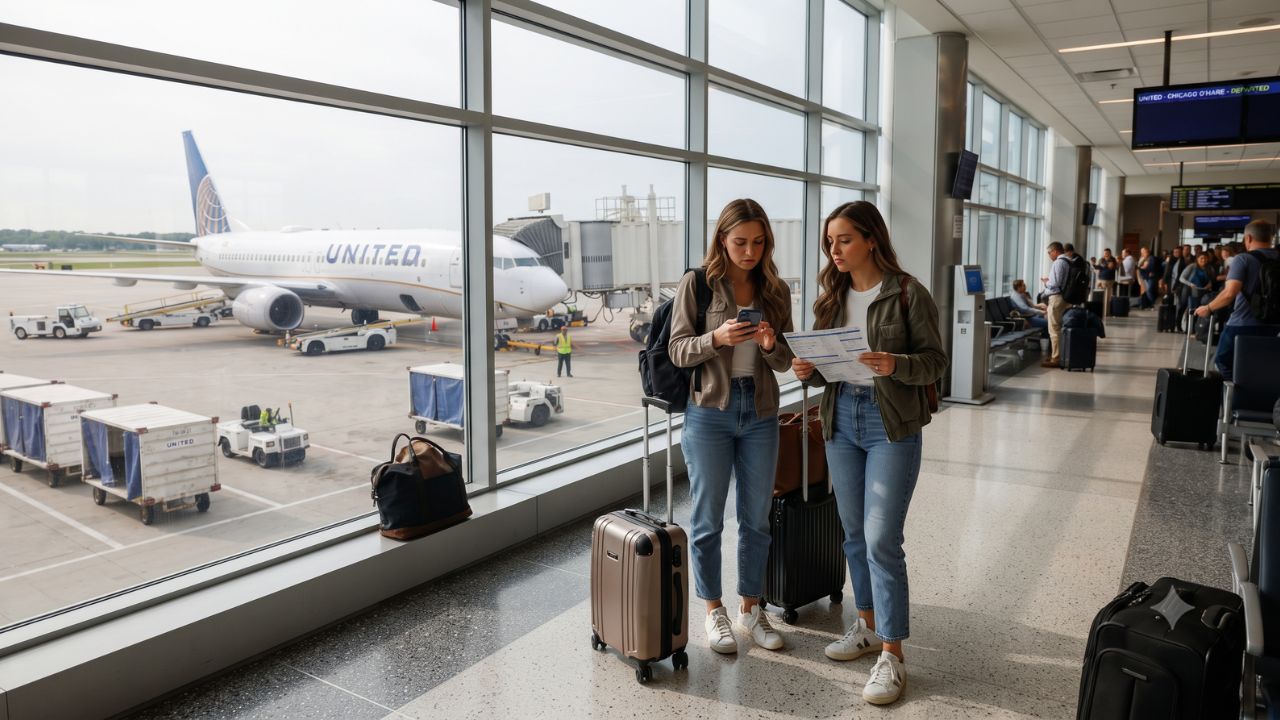
Even as crude oil prices fluctuate across international energy markets, the average United States domestic flight itinerary reached a record unadjusted second-quarter peak of $436.36 in 2026, while the federal airline fare index rose 23.4% year-over-year. Despite periodic drops in crude benchmarks, official figures from the Bureau of Transportation Statistics and the Bureau of Labor Statistics indicate that restricted seat capacity, high refining margins, and disciplined airline revenue management will keep holiday ticket prices elevated through Thanksgiving, Christmas, and winter 2026.
The Fuel-to-Fare Disconnect: Why US Flights Remain at Record Highs
The assumption that falling crude oil prices immediately lead to cheaper airline seats overlooks the complex commercial mechanics of modern commercial aviation. Airlines schedule flights, set route capacities, and open booking inventories three to eleven months in advance.
Recent federal and industry economic indicators highlight the scale of the current pricing environment:
- Record Domestic Fares: The unadjusted average domestic itinerary fare reached $436.36 in the second quarter of 2026 (averaging $535 for round-trip tickets and $307 for one-way journeys). This represents a 68.4% increase compared to the second quarter of 2020 ($259).
- Consumer Price Index Surge: Airline fares rose 23.4% between August 2025 and August 2026, advancing 2.7% in August alone on a seasonally adjusted basis.
- Expanded BTS Ticket Sampling: The Bureau of Transportation Statistics expanded its official sampling threshold from 10% to approximately 40% of all airline tickets starting in July 2025, providing greater analytical precision across domestic routes.
- Elevated Jet Fuel Share: Industry outlooks from the International Air Transport Association (IATA) estimate that fuel will account for 31.4% of total airline operating expenses in 2026, up from 25.4% in 2025, with global jet fuel prices averaging approximately $195 per barrel.
- Ancillary Revenue Expansion: Passenger fares accounted for 72.5% of total airline operating revenue in the first half of 2026, with the remaining 27.5% generated through baggage fees, seat selection charges, and onboard amenities.
What Makes the 2026 Airline Pricing Ecosystem Unique
The persistent gap between crude oil costs and passenger airfares is driven by the "crack spread"—the difference between the cost of crude petroleum and the market price of refined Jet A-1 kerosene. Because global refining capacity remains tight following geopolitical supply shifts, aviation fuel remains expensive even when crude benchmarks soften.
Additionally, US airlines have adopted strict capacity discipline. Rather than flooding markets with empty seats, carriers deploy smaller aircraft, trim unprofitable regional frequencies, and hedge roughly one-third of their anticipated fuel consumption. At airports handling 1.5 million to 1.99 million originating passengers, average fares reached $458 in the second quarter of 2026, compared to $353 at smaller regional facilities.
Visitor Insider Tips: Booking US Flights in an Era of High Fares
- Book Holiday Flights Outside the 30-Day Window: For Thanksgiving and Christmas departures, secure flights between 60 and 90 days ahead. As departure dates approach, airlines release fewer discounted seats, leaving only premium fare buckets.
- Fly on Shoulder Days (Tuesdays and Wednesdays): Shifting departures from peak Sunday or Friday evenings to Tuesday or Wednesday mornings frequently yields savings of $100 to $180 per round-trip ticket.
- Compare Co-Terminal Secondary Airports: When traveling to major metropolitan regions, compare secondary gateways—such as Chicago Midway (MDW) versus O'Hare (ORD), or Oakland (OAK) and San Jose (SJC) versus San Francisco (SFO)—to capture lower base fares.
- Calculate the Complete All-In Fare: Basic economy tickets often exclude seat selection and overhead carry-on bags. Calculate the total cost including baggage and seat assignments before booking bare-bones fares.
- Monitor Consumer Protections via the DOT: Under enforced rules from the US Department of Transportation, passengers are legally entitled to automatic cash refunds if an airline significantly delays (three hours domestic, six hours international) or cancels a scheduled flight.
Cultural and Environmental Context
Rising airfares are prompting subtle shifts in domestic travel habits. Families are increasingly planning regional road trips or extending their stays into longer, multi-purpose trips ("bleisure" travel) to justify the high baseline cost of air transportation.
From an environmental and operational perspective, disciplined capacity management prevents aircraft from flying with low load factors, improving per-passenger fuel efficiency. Furthermore, sustained high operating expenses accelerate airline investments into fuel-efficient next-generation fleets like the Airbus A220 and Boeing 737 MAX, alongside commercial investments in sustainable aviation fuel (SAF).
FAQ: Booking US Domestic Flights in 2026
Why are US domestic flight prices so high in 2026?
Domestic airfares average $436.36 due to high jet fuel refining margins, reduced seat capacity, elevated airline maintenance expenses, and strong seasonal travel demand.
How much did US airline fares increase over the past year?
According to the Bureau of Labor Statistics, US airline fares rose 23.4% between August 2025 and August 2026.
When is the cheapest time to book Thanksgiving flights?
The optimal booking window for Thanksgiving and Christmas travel is between September and early October, before lower-priced fare tiers sell out.
What percentage of airline costs comes from jet fuel?
Jet fuel accounts for an estimated 31.4% of total commercial airline operating expenses in 2026, according to IATA.
Understanding the true economics behind the ticket counter helps smart travelers beat airline algorithms and secure the best holiday seats.
Related Travel Guides
- Newcastle Airport Crowned UK Airport of the Year: £60M Expansion, 22 New Routes, and North East Travel Guide 2026
- Batik Air Unlocks Free Connecting Flights for Australians: Kuala Lumpur Asia Hub Guide 2026
- Autonomous De-Icing Drones and AI Turnarounds: Smart Airport Automation in Riyadh, Dubai, and Beyond 2026
Disclaimer
This article is for informational and educational purposes only. It does not constitute legal, financial, or professional advice. While we strive to provide accurate and up-to-date information, travel policies, regulations, and conditions change rapidly. Always verify information with official sources before making travel decisions. Nomad Lawyer makes no representations about the accuracy, reliability, completeness, or suitability of the information provided. Readers should consult qualified professionals for advice specific to their circumstances. The views expressed in this article are those of the author and do not necessarily reflect the views of Nomad Lawyer.
Raushan Kumar
Founder & Lead Developer
Full-stack developer with 11+ years of experience and a passionate traveller. Raushan built Nomad Lawyer from the ground up with a vision to create the best travel and law experience on the web.
Learn more about our team →