
African Aviation Capacity Crunch: Soaring Airfares Across Kenya, Ghana, Nigeria, and South Africa Guide 2026

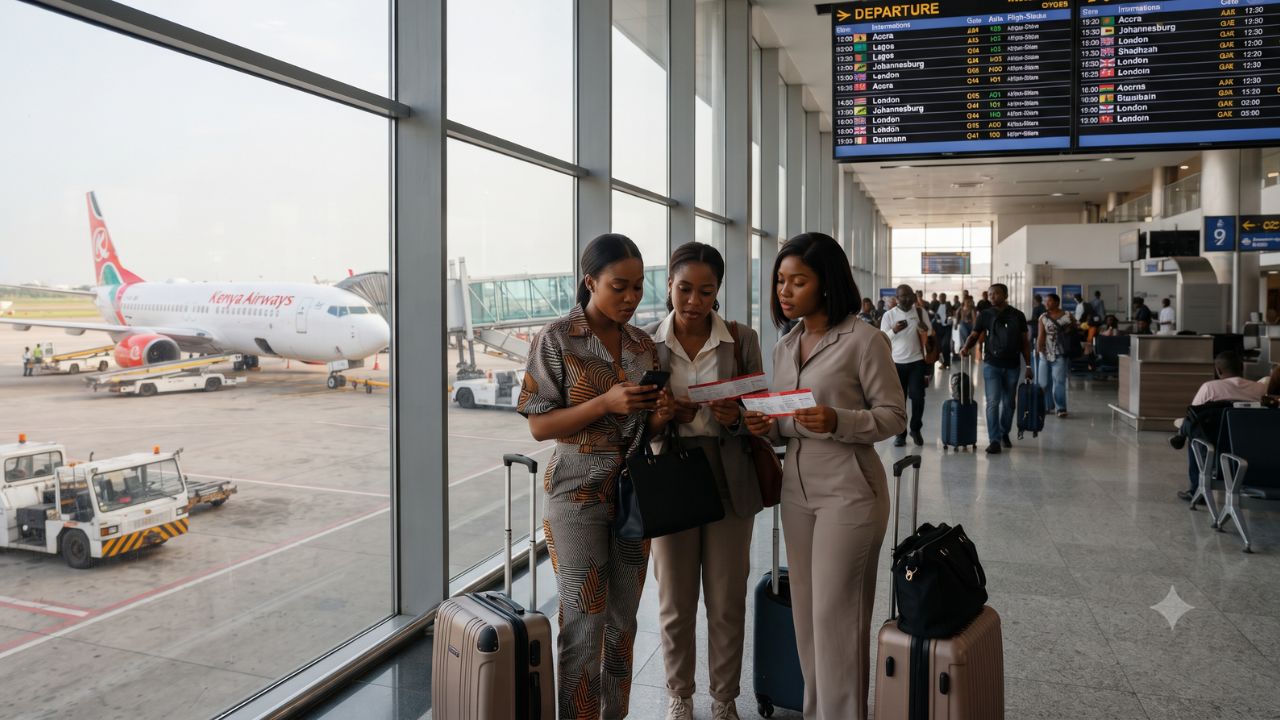
On domestic flight corridors within Ghana, the highest average return airfare climbed to an astonishing US$450.48 in September 2026—surpassing typical intercity ticket prices across Western Europe—as global jet fuel spikes past $169 per barrel and widespread aircraft maintenance delays trigger an acute pan-African aviation crunch. From Accra and Lagos to Nairobi and Johannesburg, airline operators and holidaymakers are grappling with soaring operational expenses, currency depreciation, and tight seat availability ahead of the December festive travel peak.
Fuel Surges and Grounded Fleets: The African Aviation Capacity Squeeze
According to detailed market updates released by the African Airlines Association (AFRAA) and the International Air Transport Association (IATA), jet fuel now accounts for 40% to 50% of total operating expenses for African carriers, compared to 25% to 30% globally. Because fuel and aircraft leasing fees are billed in US dollars, weakening domestic currencies have magnified financial strain across four major aviation anchors:
- Kenya Airways 72% Fuel Surge: Financial disclosures confirmed Kenya Airways’ fuel expenditures soared by 72% during the first half of 2026. To alleviate maintenance delays, the Kenyan government enacted emergency tax exemptions on imported aviation parts and spares in September 2026.
- Ghana's Domestic Fare Ceiling: Driven by currency pressures on the Cedi and return fuel surcharges reaching up to GHC 440, domestic ticket prices between Accra, Kumasi, and Tamale have pushed domestic air travel out of reach for average travelers.
- Nigeria's Currency Pressures: Nigerian carriers continue to battle severe Naira volatility, which sharply inflates the cost of aircraft wet-leasing, overseas pilot training, and airframe maintenance.
- South Africa's Post-Comair Deficit: The permanent removal of seat capacity following the historic collapse of domestic operators has left carriers on the "Golden Triangle" (Johannesburg–Cape Town–Durban) unable to add sufficient seat capacity to cool holiday airfare spikes.
What Makes the African Air Transport Market Unique
The African aviation sector presents a striking economic paradox. AFRAA data from August 2026 recorded an 8.8% year-on-year increase in total seat capacity and a 10.5% expansion on intra-African routes, alongside record global passenger load factors of 83.8%.
However, underlying profitability remains exceptionally fragile. Disjointed national regulatory boundaries and some of the world's highest passenger taxes and airport charges place heavy burdens on travelers. Recognizing this structural impediment, West African civil aviation authorities established a harmonized flight inspection standard framework in mid-September 2026, eliminating redundant cross-border safety fees across Nigeria, Ghana, and neighboring states.
Visitor Insider Tips: Traveling Across Africa in Late 2026
- Book December Holiday Flights Early: Waiting for last-minute seat sales is risky in 2026. With aircraft capacity constrained, algorithmic pricing models push the final 20% of available seats into top-tier premium pricing buckets.
- Leverage Fifth-Freedom International Flights: Look for international long-haul carriers operating authorized intra-African fifth-freedom sectors (such as Ethiopian Airlines or Kenya Airways flights between regional capitals), which often offer lower fares and wider seating capacity than regional domestic airlines.
- Factor Mandatory Fuel Surcharges into Budgets: Compare total checkout prices rather than advertised base fares. Surcharges in Ghana, Nigeria, and Kenya can add 30% to 50% to the initial ticket quote.
- Consider Premium Overland Terrestrial Coaches: For medium-range regional journeys—such as Nairobi to Arusha, or Accra to Kumasi—modern luxury air-conditioned coaches offer reliable alternatives at a fraction of regional flight costs.
- Verify Flexible Date Tools: Mid-week flights departing on Tuesdays or Wednesdays across regional corridors like Johannesburg–Windhoek or Nairobi–Entebbe frequently avoid weekend corporate and holiday demand spikes.
Cultural and Environmental Context
The current aviation bottleneck underscores the urgency of implementing the Single African Air Transport Market (SAATM), a flagship initiative of the African Union Agenda 2063. By deregulating continental airspace and opening fifth-freedom traffic rights, SAATM enables airlines to combine passenger flows and optimize fuel usage across multi-country routes.
Efficient air transport is also essential to powering the African Continental Free Trade Area (AfCFTA), facilitating cross-border commerce for small and medium enterprises. In response to global fuel volatility, Kenya and South Africa are accelerating exploratory research into local Sustainable Aviation Fuel (SAF) refining, aiming to harness regional agricultural feedstocks to lower long-term carbon emissions and insulate domestic aviation from global oil price shocks.
FAQ: Traveling in Africa Amid the 2026 Airfare Crunch
Why have domestic and regional airfares in Africa increased sharply in 2026?
Fares have escalated due to jet fuel prices exceeding $169 per barrel, currency depreciation against the US dollar, high airport taxes, and global aircraft parts maintenance backlogs.
What relief measures are African governments implementing?
Kenya introduced tax exemptions on imported aircraft spare parts in September 2026, while West African nations harmonized regional flight inspection standards to reduce regulatory compliance fees.
What is the Single African Air Transport Market (SAATM)?
SAATM is an African Union initiative designed to create a unified, deregulated air transport market across Africa, allowing airlines to operate freely across international borders without restrictive bilateral treaties.
Is last-minute flight booking recommended for December 2026 holidays?
No. Because airline capacity is constrained and passenger load factors exceed 83%, late bookings face steep algorithmic price increases and sold-out cabins.
Overcoming continental distances requires structural open-skies unity to ensure African skies remain open and accessible to all.
Related Travel Guides
Disclaimer
This article is for informational and educational purposes only. It does not constitute legal, financial, or professional advice. While we strive to provide accurate and up-to-date information, travel policies, regulations, and conditions change rapidly. Always verify information with official sources before making travel decisions. Nomad Lawyer makes no representations about the accuracy, reliability, completeness, or suitability of the information provided. Readers should consult qualified professionals for advice specific to their circumstances. The views expressed in this article are those of the author and do not necessarily reflect the views of Nomad Lawyer.
Kunal K Choudhary
Co-Founder & Contributor
A passionate traveller and tech enthusiast. Kunal contributes to the vision and growth of Nomad Lawyer, bringing fresh perspectives and driving the community forward.
Learn more about our team →