
CBP Detains Canadian-Tunisian Travelers: 12-Hour Interrogation and Phone Seizure at US Border 2026
Canadian citizens of Tunisian descent were detained for 12 hours and denied entry into the U.S. after a rigorous CBP secondary inspection involving electronic device seizures and the signing of multiple federal forms.

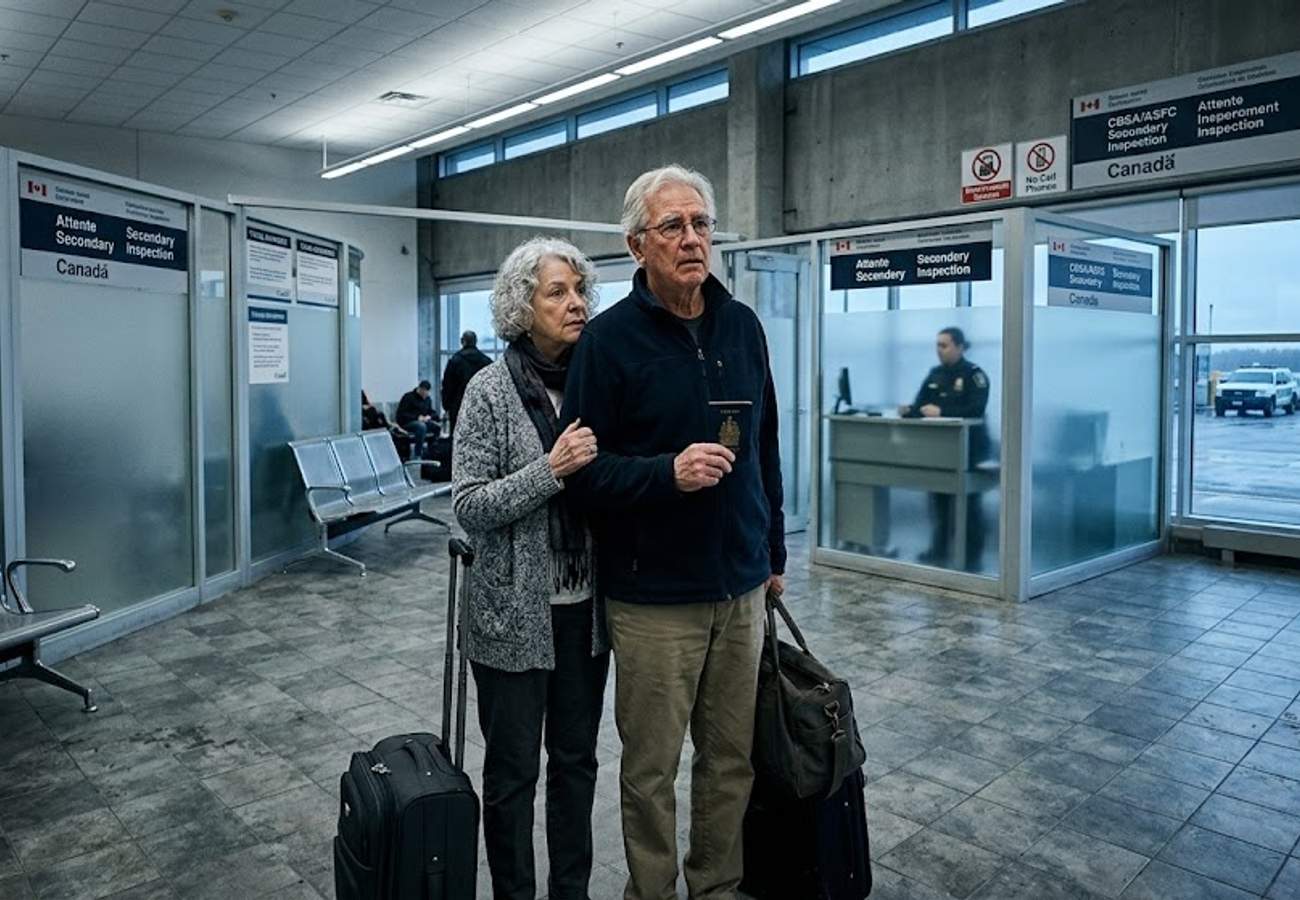
Image generated by AI
A routine border crossing between Canada and the United States escalated into a 12-hour detention for a group of Canadian travelers and their children. U.S. Customs and Border Protection (CBP) officers ultimately denied the group entry into the United States following an intensive secondary inspection that included the seizure of personal electronics.
The incident, which gained attention via social media reports, highlights the complexities facing dual nationals and the broad discretionary powers of border agents. One traveler reports that their mobile phone remains in CBP custody three weeks after the event, with officials providing vague responses to requests for its return.
The Secondary Inspection Process and Detention
Border officers typically transition travelers to secondary inspection when documentation discrepancies arise or routine questioning triggers a red flag. In this instance, the group was held for half a day, during which CBP officers collected fingerprints and photographs and conducted a forensic search of their mobile devices.
According to reports from a friend of the travelers, the process was marked by contradictory behavior. While some officers repeatedly apologized and assured the family the delay would only last 15 minutes, these promises were reportedly overruled by senior supervisors, leading to the eventual denial of entry.
Federal Documentation and "Intending Immigrant" Status
During the detention, the travelers were required to sign a series of federal documents. The specific forms used indicate a high-level security screening and an investigation into the travelers' intent.
The group was asked to sign the following:
- I-831
- I-275
- I-160A
- DHS 6051D
- I-770 (specifically for the children)
- Foreign Terrorist Organization Notification form
The CBP formally cited the reason for denial as being "intending immigrants without documents." This legal designation suggests that the officers concluded the travelers did not sufficiently prove they intended to return to Canada after their visit.
The Role of Dual Nationality and Travel Patterns
The travelers are Canadian citizens born in Tunisia. This dual nationality is believed by some observers to be a primary driver of the scrutiny, particularly given the historical suspension of visa processing for Tunisian nationals under previous U.S. administrations.
However, legal experts suggest that nationality is rarely the sole cause for inadmissibility. Ken Scott, a senior U.S. Immigration Law Intelligence Analyst at U.S. Entry Waiver Services, notes that CBP evaluates the "totality of the circumstances." This includes:
- Travel Frequency: Reports indicate the group had visited the U.S. only one month prior. Frequent trips within a short window can sometimes trigger "red flags" regarding the traveler's true intent.
- Electronic Evidence: Data extracted from confiscated phones may influence a decision on admissibility.
- Database Matches: Information available through government intelligence databases.
Electronic Device Seizures and Legal Recourse
The continued confiscation of a traveler's phone three weeks post-incident is a significant point of contention. While phones are typically returned after a temporary inspection, CBP may formally seize a device if it is deemed evidence in an ongoing investigation.
In such cases, the device is held until the administrative process is complete. Legal guidance suggests that travelers should carefully review all seizure paperwork to understand the specific legal authority used to hold the property.
Disputed Records and Future Travel
The travelers have challenged the accuracy of the paperwork they were forced to sign. Specifically, they claim that form I-770 contained false information, suggesting the children were "arrested" and required their parents to be called, despite the family remaining together in the waiting area throughout the process.
For those denied entry, maintaining a meticulous record of all signed documents is vital. If a traveler believes a federal form contains factual errors, these records become the primary evidence used to contest the decision in future entry attempts.
The intersection of dual citizenship and border security continues to create unpredictable hurdles for legitimate travelers.
Related Travel Guides
Disclaimer
This article is for informational and educational purposes only. It does not constitute legal, financial, or professional advice. While we strive to provide accurate and up-to-date information, travel policies, regulations, and conditions change rapidly. Always verify information with official sources before making travel decisions. Nomad Lawyer makes no representations about the accuracy, reliability, completeness, or suitability of the information provided. Readers should consult qualified professionals for advice specific to their circumstances. The views expressed in this article are those of the author and do not necessarily reflect the views of Nomad Lawyer.
Preeti Gunjan
Contributor & Community Manager
A passionate traveller and community builder. Preeti helps grow the Nomad Lawyer community, fostering engagement and bringing the reader experience to life.
Learn more about our team →