
Destination Campaigns: US Cities Promote Civil Rights Heritage Tourism
US cities transform civil rights history into heritage tourism experiences, using digital driving tours, walking routes, and new museum displays.

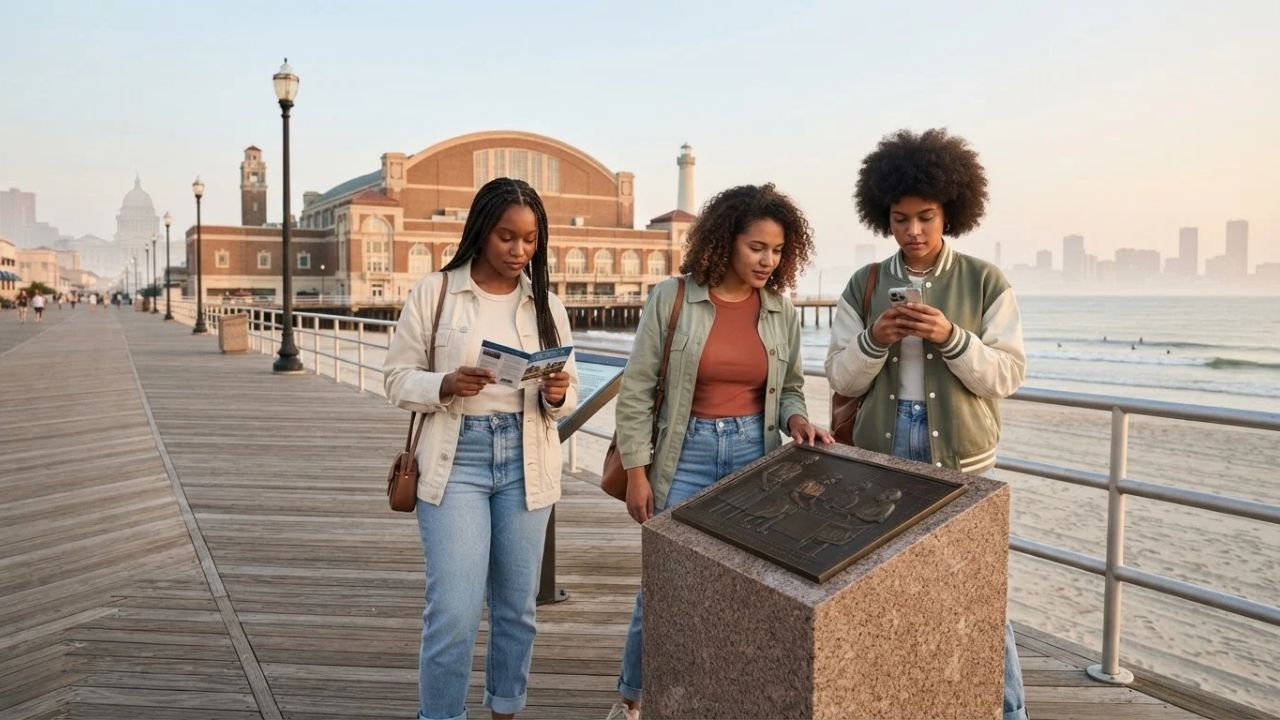
Image generated by AI
US cities transform civil rights history into heritage tourism experiences, using digital driving tours, walking routes, and new museum displays. Visit Atlantic City indicates that promoting local historical spots coordinates visitor arrivals, supporting regional hospitality businesses outside primary beach and casino districts.
The Transition of Historical Sites to Immersive Cultural Classrooms
A notable trend in metropolitan destination planning is the transition of civil rights landmarks into immersive cultural classrooms. Historically, local tourism boards promoted historical events as isolated commemorative plaques, leaving physical sites disconnected from mainstream visitor itineraries. In 2026, progressive municipal departments and park systems integrate digital media, walking routes, and specialized monuments, creating interactive educational journeys that allow travelers to discover stories of social change directly.
By linking local landmarks with national historical narratives, cities broaden their cultural offerings. This heritage-focused travel model supports urban museums, community guides, and preservation organizations.
Core Civil Rights Heritage Initiatives Across US Cities
Destinations across the country are developing specialized heritage tourism products:
- Atlantic City Fannie Lou Hamer Tour (NJ): On August 21, the city launched a new video stop on the Fannie Lou Hamer Digital Driving Tour (covering 12 locations). The video commemorates Hamer’s August 22, 1964 testimony challenging voter suppression at Jim Whelan Boardwalk Hall.
- Chicago Presidential Center Walkway (IL): The Obama Presidential Center opened the Fannie Lou Hamer Walkway in June 2026, linking civil rights history with presidential tourism on the South Side.
- Birmingham Monument Network (AL): The Birmingham Civil Rights National Monument connects physical sites including Kelly Ingram Park, the 16th Street Baptist Church, and the A.G. Gaston Motel.
- Montgomery Legacy Sites (AL): Features the Legacy Museum, National Memorial for Peace and Justice, and the newer Montgomery Square, focusing on the transformative era between 1955 and 1965.
- Selma Voting Rights Trail (AL): Offers walking routes across the Edmund Pettus Bridge and along the Selma-to-Montgomery National Historic Trail.
- Little Rock Central High School (AR): Showcases the history of the 1957 desegregation crisis through self-guided audio walking tours and virtual programs.
These urban networks invite travelers to follow the physical paths of historical campaigns.
US Civil Rights Heritage Tourism Coordinates
The table below breaks down the travel destinations, key heritage events, landmark sites, program formats, regional partners, and coordinating authorities recorded on August 24, 2026:
| Travel Destination | Key Heritage Event | Landmark Sites | Program Format | Regional Partner | Coordinating Authority |
|---|---|---|---|---|---|
| Atlantic City NJ | 1964 DNC Testimony | Whelan Boardwalk Hall | Digital Driving Tour | Stockton University | Visit Atlantic City |
| Birmingham AL | 1960s protest campaigns | 16th Street Baptist Church | National Monument path | Civil Rights Institute | National Park Service |
| Montgomery AL | 1955–1965 campaigns | Legacy Museum & Memorial | Legacy Sites network | Equal Justice Initiative | Alabama Tourism Board |
| Little Rock AR | 1957 desegregation | Central High School | Self-guided audio tour | Little Rock Nine Assoc | NPS Historic Site Board |
These coordinates outline the destinations, events, landmarks, formats, partners, and authorities established for the heritage programs.
Resource Stewardship and Eco-Aware Heritage Travel
For the traveler, the benefit of choosing walking tours or using municipal transit to explore urban heritage trails is the reduction in personal vehicle emissions. Downloading digital audio guides onto personal devices minimizes paper brochure consumption at visitor centers.
Additionally, booking overnight stays at accommodations that support local heritage preservation programs helps maintain historical properties. Dining at independent minority-owned restaurants along the civil rights routes directly coordinates economic support for resident communities.
For comparison, you can explore the changing dynamics of Stimulus Launch: Taiwan Unveils Billion-Dollar Repeat Visitor Rewards to see how destinations promote visitor spend. For transit updates, comparing travel scheduling matches other networks, such as Destination Campaigns: Alaska Cruise Volume Surges in 2026 updates. This trend is similar to the tourism growth seen in other destinations, as detailed in our guide on the Hacienda Heights Bus Fire Transport Safety regulations.
Traveler Insider Tips: Navigating Civil Rights Trails
If you are planning to explore these heritage sites, keep these practical tips in mind:
- Book Legacy Museum Tickets Early: Purchase your combined entry passes for Montgomery’s Legacy Sites online weeks in advance, as visitor numbers are regulated.
- Access the Fannie Lou Hamer Driving Tour: Use your mobile device to scan the QR codes along the Atlantic City Boardwalk to listen to original audio files.
- Coordinate Church Tour Times: Check the visitor hours for the 16th Street Baptist Church in Birmingham before arriving, as active services limit entry.
- Utilize the Audio Transcripts: Download the transcripts from the Little Rock Central High School NPS site for offline reading during your walk.
- Respect Memorial Garden Spaces: Maintain quiet behavior when visiting the Civil Rights Memorial Garden in Atlantic City or the National Memorial for Peace and Justice.
Long-Term Outlook for Civil Rights Heritage Tourism
The long-term outlook for heritage transit is focused on building electric shuttle loops connecting urban memorial sites, expanding multi-language digital platforms for international visitors, and restoring historical meeting halls along the southern trails. As global interest in authentic cultural history increases, municipal travel departments and state preservation ministries will cooperate to maintain passenger standards.
By developing sustainable transit options and protecting historical structures, the tourism sector aims to build a sustainable transport network.
FAQ
Why is Atlantic City significant to the civil rights movement?
Atlantic City hosted the 1964 Democratic National Convention at Jim Whelan Boardwalk Hall, where Fannie Lou Hamer delivered her historic testimony against voter suppression.
What does the Fannie Lou Hamer Digital Driving Tour offer?
The online tour covers 12 locations associated with Hamer's life and activism, with the Atlantic City Boardwalk site serving as its first stop outside Mississippi.
What are the main Legacy Sites in Montgomery, Alabama?
Key locations include the Legacy Museum, the National Memorial for Peace and Justice, and the Freedom Monument Sculpture Park, managed by the Equal Justice Initiative.
When did the Fannie Lou Hamer Walkway in Chicago open?
The walkway, located at the Obama Presidential Center in Chicago's South Side, opened to the public in June 2026.
Stay updated on regional travel regulations and cultural campaigns shaping American transit.
Related Travel Guides
Disclaimer
This article is for informational and educational purposes only. It does not constitute legal, financial, or professional advice. While we strive to provide accurate and up-to-date information, travel policies, regulations, and conditions change rapidly. Always verify information with official sources before making travel decisions. Nomad Lawyer makes no representations about the accuracy, reliability, completeness, or suitability of the information provided. Readers should consult qualified professionals for advice specific to their circumstances. The views expressed in this article are those of the author and do not necessarily reflect the views of Nomad Lawyer.
Raushan Kumar
Founder & Lead Developer
Full-stack developer with 11+ years of experience and a passionate traveller. Raushan built Nomad Lawyer from the ground up with a vision to create the best travel and law experience on the web.
Learn more about our team →