
US Aviation Gridlock 2026: 314 Flights Cancelled and 737 Delayed Across JFK, Boston, and Atlanta
Massive operational disruptions hit major US hubs including JFK and Boston Logan on July 7, 2026, with JetBlue and Delta facing significant cancellations and delays.

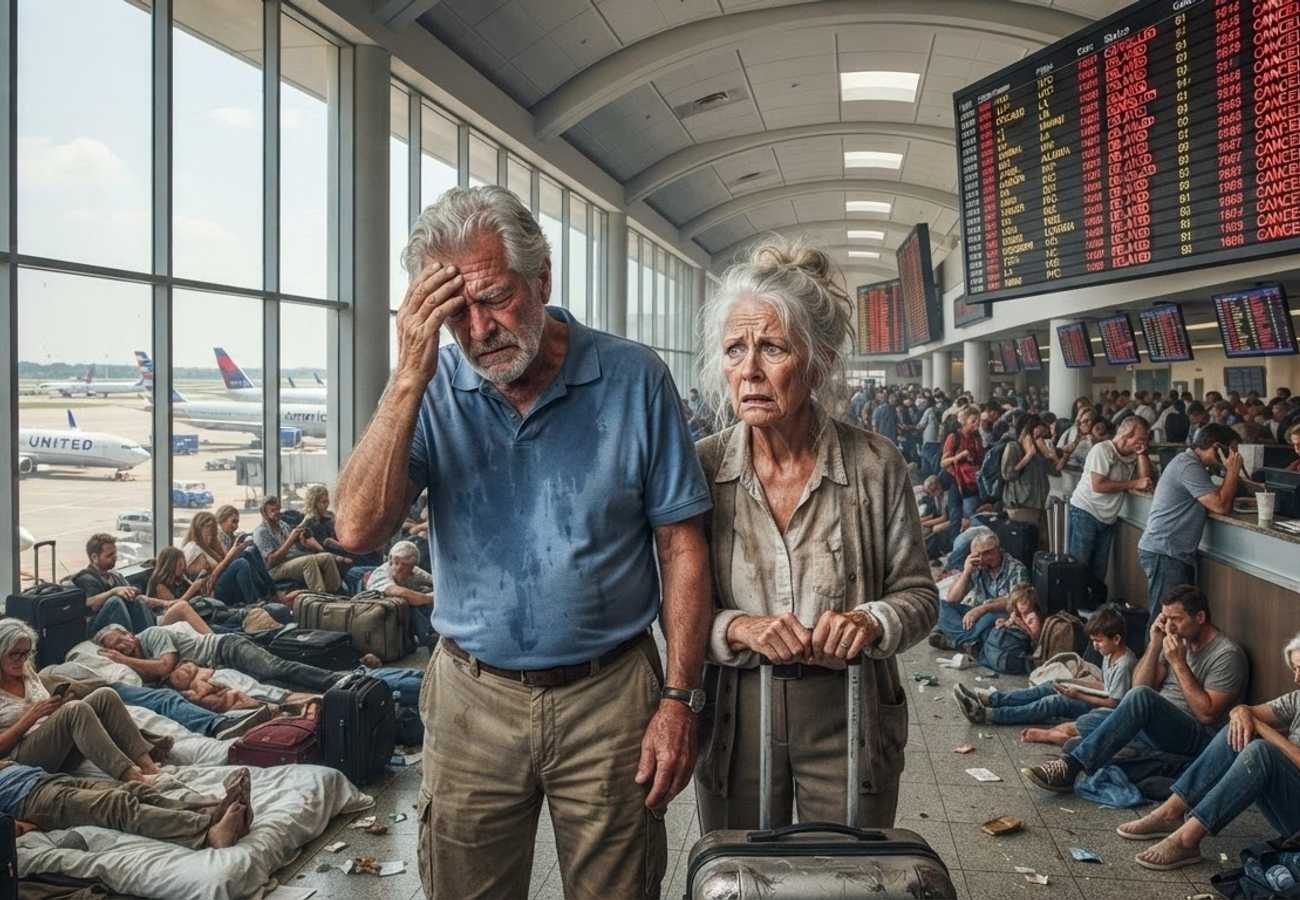
Image generated by AI
Air travel across the United States faced severe operational instability on July 7, 2026, as a wave of disruptions stranded thousands of domestic and international passengers. A total of 314 flights were cancelled and 737 flights were delayed, creating a systemic gridlock across the North American aviation network.
The crisis was most acute at primary gateways, including John F. Kennedy International (JFK), Boston Logan, Hartsfield-Jackson Atlanta, and Orlando International. Due to the high volume of cross-border traffic, the instability extended into Canada, impacting operations at Toronto Pearson International Airport.
This level of disruption during the peak summer season suggests a fragile recovery capacity within the national airspace system. When major hubs experience this scale of failure, the ripple effect often persists for days as aircraft and crews are displaced from their scheduled rotations.
Systemic Failures in the National Airspace
The current data highlights a precarious balance between high seasonal demand and operational limitations. While delays outnumbered cancellations, both metrics point to a network struggling to maintain punctuality.
National Operational Summary (July 7, 2026)
| Category | Total |
|---|---|
| Cancelled Flights | 314 |
| Delayed Flights | 737 |
The concentration of these failures at hub airports is particularly damaging. Because these facilities serve as the primary connection points for long-haul flights, a single cancelled regional feeder flight can lead to dozens of missed international connections, forcing airlines into costly and complex rebooking cycles.
Primary Drivers of the Aviation Collapse
While airlines rarely attribute a nationwide meltdown to a single cause, the patterns observed on July 7 indicate a combination of environmental and structural pressures.
Summer weather remains the most volatile factor. Thunderstorms across the East Coast and Gulf Coast frequently force air traffic controllers to implement ground stops or reroute aircraft. This reduces the hourly arrival rate at airports, causing queues to build up rapidly.
Beyond weather, several critical operational bottlenecks contributed to the gridlock:
- Crew Duty Limits: Federal regulations strictly limit the hours pilots and cabin crew can work. When delays push crews over these limits, airlines must cancel flights because no legal replacements are available.
- Aircraft Rotation Failures: A delay in the first flight of the day often cascades, meaning the aircraft is not in the right city for its subsequent scheduled departures.
- Air Traffic Management: To maintain safety during congestion, controllers often reduce the number of aircraft allowed in a specific sector.
- Infrastructure Strain: Record passenger volumes place immense pressure on baggage handling and ground support, further slowing turnaround times.
JFK International: The Epicenter of Disruption
John F. Kennedy International Airport (JFK) emerged as the hardest-hit facility, recording 48 cancellations and 69 delays. As a global nexus, the failures at JFK had international implications, affecting travel corridors to Europe, Asia, and the Middle East.
The data reveals a stark divide in how different carriers handled the crisis. JetBlue bore the brunt of the operational failure, accounting for more than half of all cancellations at the airport.
JFK Airline Performance Breakdown
| Airline | Cancelled | Delayed |
|---|---|---|
| JetBlue | 26 (7%) | 19 (5%) |
| Endeavor Air (DAL) | 15 (11%) | 7 (5%) |
| Delta Air Lines | 4 (1%) | 18 (6%) |
| American Airlines | 1 (0%) | 11 (7%) |
| Frontier | 1 (50%) | 0 (0%) |
| Republic | 1 (1%) | 1 (1%) |
| Cathay Pacific | 0 (0%) | 2 (22%) |
| El Al | 0 (0%) | 4 (50%) |
| Gulf Air | 0 (0%) | 1 (100%) |
| Hawaiian Airlines | 0 (0%) | 1 (50%) |
| Iberia | 0 (0%) | 2 (33%) |
| ITA Airways | 0 (0%) | 1 (16%) |
| Royal Jordanian | 0 (0%) | 1 (50%) |
| Swiss | 0 (0%) | 1 (14%) |
Analyzing Carrier Impact and Strategy
JetBlue's high cancellation rate suggests a significant breakdown at one of its primary operating bases. In contrast, Delta Air Lines appears to have prioritized "delay over cancellation." By delaying 18 flights but only cancelling four, Delta managed to keep its aircraft rotations intact, though this resulted in longer wait times for passengers.
Endeavor Air, operating as a regional partner for Delta, saw 15 cancellations. This is a critical failure point, as regional carriers provide the "spoke" traffic that feeds the "hub" international flights. When regional flights fail, the efficiency of the entire long-haul network diminishes.
International carriers like Emirates, Swiss, and Iberia saw fewer total disruptions, but the impact per flight was higher. Because these airlines operate fewer daily frequencies, a single delay can strand hundreds of passengers with no alternative flight options for 24 hours.
New England Corridor Under Strain
Boston Logan International Airport also faced severe instability, reporting 36 cancellations and 34 delays. While the total volume was lower than at JFK, the impact on the Northeast corridor was substantial. Boston's role as a transatlantic gateway during the summer means these disruptions likely affected both domestic commuters and international tourists.
The fragility of the US aviation network remains a primary concern for travelers as the 2026 summer season reaches its peak.
Related Travel Guides
Disclaimer
This article is for informational and educational purposes only. It does not constitute legal, financial, or professional advice. While we strive to provide accurate and up-to-date information, travel policies, regulations, and conditions change rapidly. Always verify information with official sources before making travel decisions. Nomad Lawyer makes no representations about the accuracy, reliability, completeness, or suitability of the information provided. Readers should consult qualified professionals for advice specific to their circumstances. The views expressed in this article are those of the author and do not necessarily reflect the views of Nomad Lawyer.
Kunal K Choudhary
Co-Founder & Contributor
A passionate traveller and tech enthusiast. Kunal contributes to the vision and growth of Nomad Lawyer, bringing fresh perspectives and driving the community forward.
Learn more about our team →