
US Army Narrows Helicopter Pilot Training Competition to Bell and M1 in Major Defense Procurement
Breaking airline news and aviation industry updates for 2026.

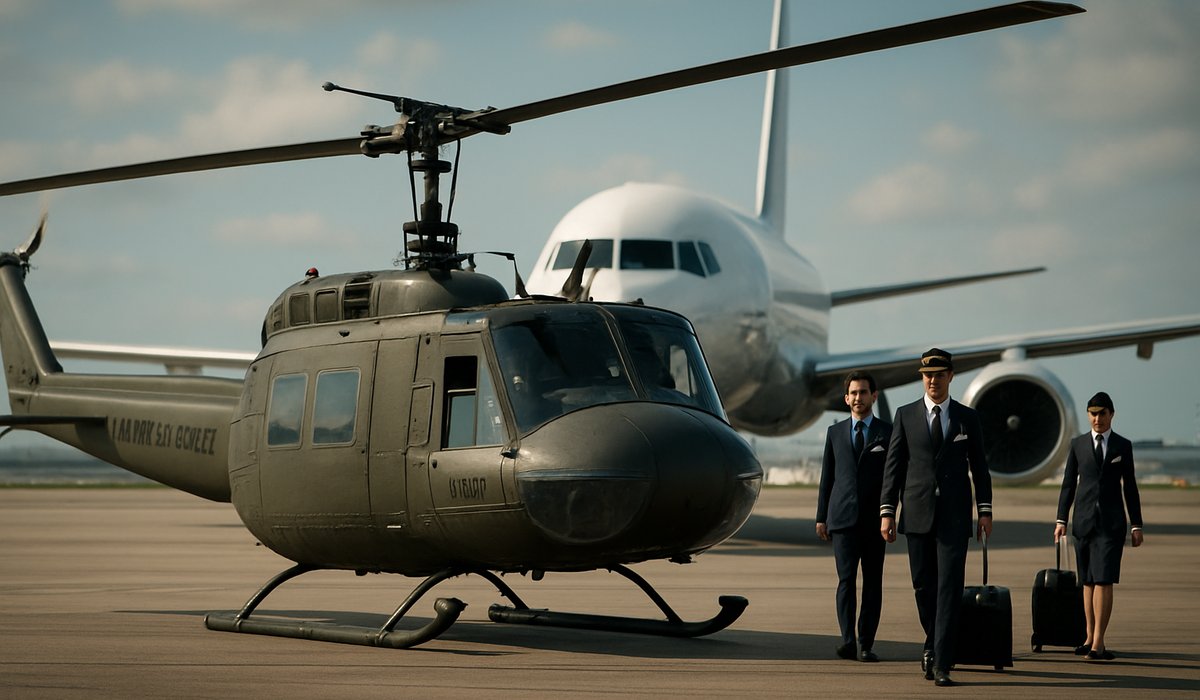
Image generated by AI
US Army Narrows Helicopter Pilot Training Competition to Bell and M1 in Major Defense Procurement
Lockheed Martin eliminated as military selects finalists for multibillion-dollar Next Generation rotary-wing pilot training program
Competition Enters Final Stage
The U.S. Army has substantially narrowed its search for a contractor to overhaul its helicopter pilot training infrastructure, advancing Bell Aircraft Corporation and M1 Support Services to the final phase of competition while eliminating industry heavyweight Lockheed Martin. The decision marks a critical juncture in the military's effort to modernize its initial rotary-wing pilot training platform through an outsourced partnership model.
The elimination of Lockheed Martin from the bidding process represents a significant setback for the defense giant and underscores the Army's specific technical and operational requirements for the Next Generation training initiative. Officials have not publicly detailed the evaluation criteria that resulted in Lockheed Martin's removal from contention, but the decision signals the Army's confidence in the remaining two bidders' proposals to deliver comprehensive pilot training solutions.
Bell and M1 Advance to Final Evaluation
Bell Aircraft Corporation and M1 Support Services now face direct competition in the final phase of the procurement process, which will determine which contractor receives the lucrative contract to design, implement, and operate the Army's modernized helicopter pilot training program. Both companies have positioned themselves as capable of delivering cutting-edge training methodologies, advanced simulation technology, and comprehensive curriculum development.
The next phase will likely involve detailed technical evaluations, cost analyses, and demonstrations of proposed training systems and instructional approaches. The winning contractor will assume responsibility for training successive generations of Army rotary-wing pilots at multiple installations across the United States.
Industry Implications
This competition reflects broader trends within the defense aviation sector, where the military increasingly relies on private sector partnerships to deliver specialized training services. Outsourcing pilot training programs allows the Army to leverage commercial expertise while maintaining oversight of curriculum standards and operational readiness requirements.
The contract's ultimate value remains undisclosed, though such comprehensive training programs typically encompass multi-year commitments worth hundreds of millions of dollars. The final award decision could significantly impact both Bell's and M1's defense portfolios and influence how future military aviation training contracts are structured across the Department of Defense.
Both competitors are expected to present their final proposals during the concluding evaluation phase, with a contract decision anticipated within the coming months.
Frequently Asked Questions
What is the Next Generation helicopter pilot training program? The U.S. Army's initiative to modernize and outsource its initial rotary-wing pilot training through a private sector contractor, replacing outdated systems with contemporary instructional methods and simulation technology.
Why was Lockheed Martin eliminated from the competition? The Army has not publicly disclosed specific evaluation criteria, though the elimination suggests Lockheed Martin's proposal did not meet the military's technical, operational, or cost requirements for the program.
How much is this helicopter training contract worth? The exact contract value has not been announced, but comprehensive military pilot training programs typically range in the hundreds of millions of dollars over multi-year periods.
What services will the winning contractor provide? The successful bidder will design curriculum, operate training facilities, provide instruction, maintain simulation equipment, and potentially oversee facilities at multiple Army installations nationwide.
When will the Army announce the winning contractor? A final decision is anticipated within coming months following the completion of final proposal evaluations and cost assessments.
Related Travel Guides
Flight Delay Compensation Guide 2026
Understanding Airline Route Changes
Airport Security Process Updated (2026)
External Resources
Disclaimer
This article is for informational and educational purposes only. It does not constitute legal, financial, or professional advice. While we strive to provide accurate and up-to-date information, travel policies, regulations, and conditions change rapidly. Always verify information with official sources before making travel decisions. Nomad Lawyer makes no representations about the accuracy, reliability, completeness, or suitability of the information provided. Readers should consult qualified professionals for advice specific to their circumstances. The views expressed in this article are those of the author and do not necessarily reflect the views of Nomad Lawyer.
Raushan Kumar
Founder & Lead Developer
Full-stack developer with 11+ years of experience and a passionate traveller. Raushan built Nomad Lawyer from the ground up with a vision to create the best travel and law experience on the web.
Learn more about our team →