
US Navy Overhauls Carrier Pilot Training: First Landings Now Required in Combat Aircraft
Breaking airline news and aviation industry updates for 2026.

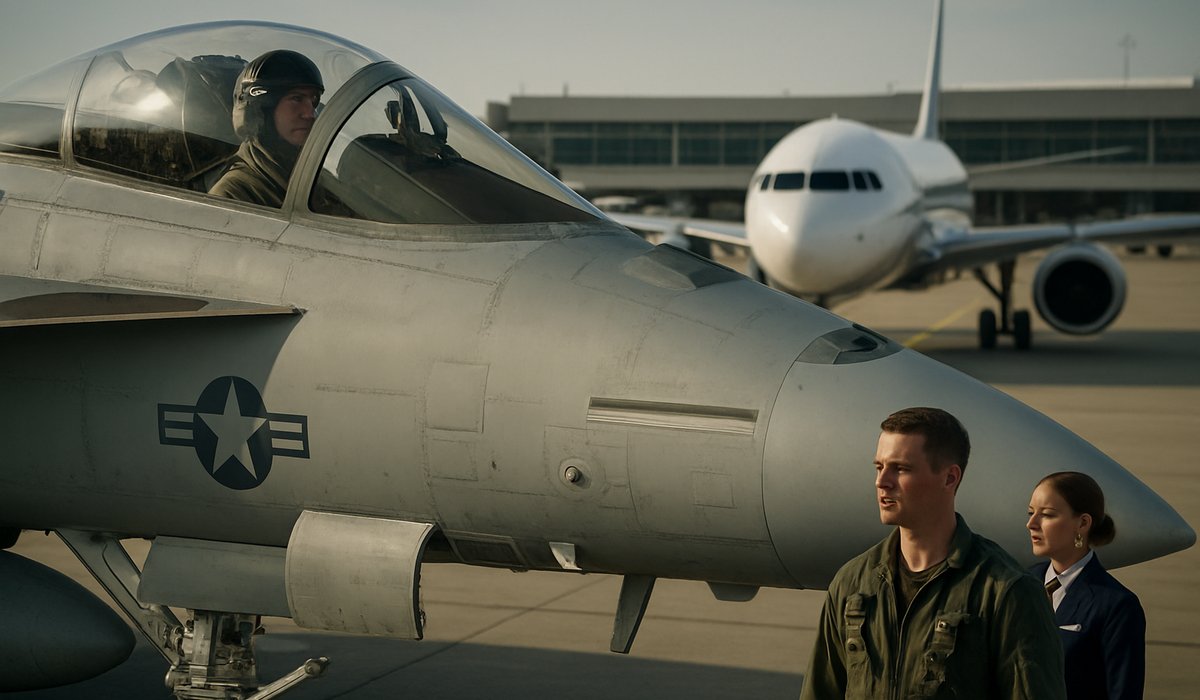
Image generated by AI
US Navy Overhauls Carrier Pilot Training: First Landings Now Required in Combat Aircraft
Historic shift abandons decades-old tradition as military modernizes fighter pilot qualification standards
Breaking with Tradition
The United States Navy has fundamentally restructured its carrier aviator training program, marking a decisive departure from protocols established over multiple decades. Under the revised framework, naval aviators will now conduct their maiden carrier landings while operating advanced combat aircraft—specifically the F/A-18 Super Hornet or F-35C Lightning II—rather than transitioning through traditional trainer platforms.
This represents one of the most significant operational changes in naval aviation training since the introduction of modern jet carrier operations. The shift signals the Navy's commitment to accelerating pilot readiness while addressing evolving operational requirements and technological demands in contemporary naval warfare.
Factors Driving the Strategic Shift
Several interconnected considerations prompted this transformation in doctrine. The Navy has increasingly emphasized reducing training timelines without compromising safety or competency standards. By consolidating the qualification pathway, the service aims to field combat-ready aviators more efficiently while ensuring they develop proficiency directly on systems they will operate operationally.
Additionally, advances in simulation technology, aircraft systems design, and instructor methodology have provided confidence that pilots can safely achieve carrier qualifications through this streamlined approach. The modernization also reflects broader military strategy priorities, as the Navy seeks to maintain operational tempo amid budgetary constraints and the need for rapid pilot production.
Redefining the "Wings of Gold"
The "Wings of Gold"—the prestigious naval aviator insignia symbolizing carrier qualification—will now be earned through completion of initial carrier operations aboard active fleet carriers using frontline fighter platforms. This consolidation eliminates intermediate training phases that characterized the traditional progression.
The Navy has emphasized that safety protocols remain rigorous, with enhanced ground-based instruction, advanced simulator training, and comprehensive briefing procedures preceding actual carrier operations. Experienced strike fighter instructors will continue mentoring students throughout the transition phase.
Industry and Defense Implications
This modification underscores the Pentagon's broader strategy to enhance military readiness efficiency across service branches. The change also reflects technological confidence in current-generation carrier aircraft, particularly the F-35C's advanced avionics and automated systems, which may reduce certain training barriers compared to legacy platforms.
The restructuring could have downstream effects on naval aviation infrastructure, training squadron operations, and carrier deployment schedules as the Navy optimizes its pipeline for qualified combat aviators.
Frequently Asked Questions
What was the previous carrier pilot training process? Traditionally, Navy pilots completed initial carrier landings in trainer aircraft before advancing to combat fighters. The new system compresses this timeline by beginning carrier qualifications directly in operational F/A-18 and F-35C aircraft.
Why is the Navy making this change now? The shift reflects advances in simulation, training technology, and aircraft systems that enable safe direct transition to combat platforms, while reducing overall pipeline timelines and operational costs.
Are safety standards being compromised? The Navy has maintained that comprehensive ground instruction, simulator training, and intensive oversight ensure safety remains paramount despite the accelerated qualification process.
How will this affect carrier deployment schedules? Faster pilot qualification may eventually enable more efficient carrier air wing operations and deployment cycles, though near-term adjustments to training squadron operations will be necessary.
Which aircraft will pilots use for initial carrier landings? The F/A-18 Super Hornet and F-35C Lightning II are the designated platforms for first carrier landings under the new program.
Related Travel Guides
Flight Delay Compensation Guide 2026
Understanding Airline Route Changes
Airport Security Process Updated (2026)
External Resources
Disclaimer
This article is for informational and educational purposes only. It does not constitute legal, financial, or professional advice. While we strive to provide accurate and up-to-date information, travel policies, regulations, and conditions change rapidly. Always verify information with official sources before making travel decisions. Nomad Lawyer makes no representations about the accuracy, reliability, completeness, or suitability of the information provided. Readers should consult qualified professionals for advice specific to their circumstances. The views expressed in this article are those of the author and do not necessarily reflect the views of Nomad Lawyer.
Kunal K Choudhary
Co-Founder & Contributor
A passionate traveller and tech enthusiast. Kunal contributes to the vision and growth of Nomad Lawyer, bringing fresh perspectives and driving the community forward.
Learn more about our team →