
US Airlines Face Critical Fuel-Driven Financial Shakeout as Operating Costs Surge
Breaking airline news and aviation industry updates for 2026.

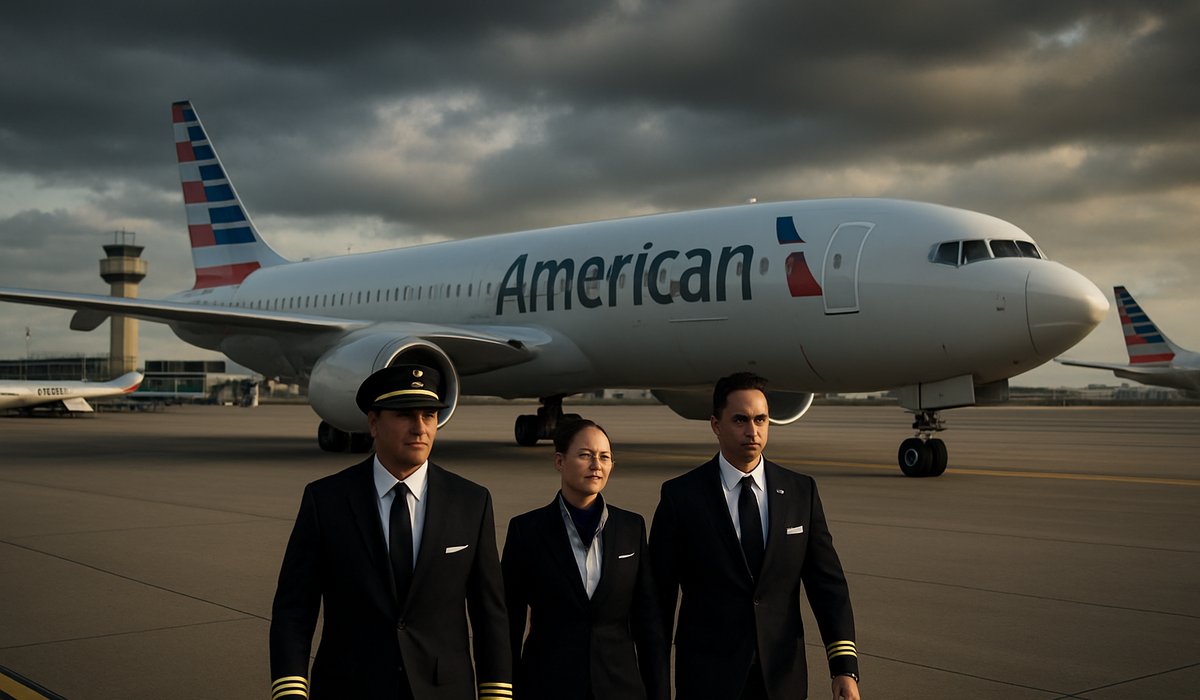
Image generated by AI
US Airlines Face Critical Fuel-Driven Financial Shakeout as Operating Costs Surge
What Happened
Major US airlines are entering a challenging financial period as volatile fuel prices squeeze profit margins and force carriers to reconsider route viability and pricing strategies. The industry-wide pressure signals potential consolidation, service cuts, or fare increases across domestic and international networks within the next 12-18 months.
Key Details
Fuel costs typically represent 20-30% of airline operating expenses, making price volatility one of the most significant financial variables carriers face. Current market conditions have created uncertainty across multiple fronts:
- Jet fuel prices fluctuating between $2.50-$3.20 per gallon based on geopolitical factors
- Domestic carriers including Delta, United, American, and Southwest implementing fuel surcharges
- Regional routes becoming economically unviable, particularly on smaller aircraft operations
- Quarterly earnings projections being revised downward across major carriers
- Capacity management forcing airlines to retire older, fuel-inefficient aircraft ahead of schedule
The crisis mirrors previous industry shakeouts in 2008 and 2011, when fuel spikes triggered bankruptcies and forced mergers.
Passenger Impact
Travelers face multiple consequences from this financial pressure:
Immediate effects:
- Higher ticket prices, particularly on profitable routes where carriers have pricing power
- Reduced service on low-margin regional flights serving smaller airports
- Potential elimination of free perks (seat selection, checked bags) to offset fuel costs
- Increased baggage fees and ancillary charges
Travel planning challenges:
- Fewer flight options on routes served by single carriers
- Longer connection times as airlines consolidate flights
- Premium cabin availability shrinkage as carriers optimize seat configurations
- Possible schedule disruptions as airlines right-size operations
Leisure travelers on booked itineraries should expect stable service through Q2, while summer and fall bookings may reflect 5-15% price increases.
Airline Statement
Industry representatives acknowledge the pressure while maintaining operational confidence:
"We're actively managing fuel cost volatility through hedging strategies, fleet optimization, and dynamic pricing," said industry analysts tracking carrier responses. Airlines emphasize investments in fuel-efficient aircraft like the Boeing 787, Airbus A350, and newer narrow-body variants to reduce long-term exposure.
Carriers are simultaneously adjusting capacity by:
- Retiring less-efficient narrow-body aircraft
- Optimizing route networks to focus on high-demand corridors
- Negotiating fuel supply contracts with strategic locking mechanisms
- Implementing AI-driven fuel management systems
Why This Matters
This financial shakeout represents a critical inflection point for US aviation:
Industry consolidation risk: Weaker carriers may face acquisition pressure, reducing consumer choice on some routes. The "Big 3" (Delta, United, American) have stronger balance sheets to weather volatility, potentially disadvantaging Southwest, Alaska Airlines, and low-cost carriers.
Economic indicators: Airline health directly correlates with broader economic conditions. Fuel-driven consolidation often precedes or accompanies economic slowdowns, signaling reduced business travel and leisure demand.
Route network restructuring: Unprofitable regional service may disappear entirely, affecting connectivity to smaller cities. Communities relying on single-carrier service face particular risk of reduced frequency or elimination.
Environmental acceleration: Fuel cost pressures incentivize fleet modernization, indirectly supporting carbon reduction goals as carriers retire older aircraft faster.
Labor negotiations: Financial pressure creates friction in upcoming pilot and flight attendant contract discussions, potentially triggering labor actions.
What Travelers Should Do
Book strategically:
- Lock in fares immediately on routes you know you'll need (fuel surcharges likely temporary, base fares sticky)
- Consider booking 6-8 weeks in advance rather than last-minute for summer travel
- Evaluate connecting flights through major hubs where more options exist
Optimize loyalty:
- Consolidate booking on a single carrier to maximize elite benefits that offset rising ancillary fees
- Use airline miles before potential devaluation due to revenue pressure
- Register for loyalty programs to capture preferred pricing before general rate increases
Prepare for changes:
- Monitor your airline's fleet announcements—older aircraft routes may see service cuts
- Build flexibility into travel dates and times where possible
- Consider alternative airports; secondary hubs may maintain more competitive pricing
Plan ahead:
- Book leisure travel off-peak (Tuesday-Thursday) when fuel-driven price discrimination is less aggressive
- Evaluate ultra-low-cost carriers (Spirit, Frontier) despite lower service standards—price advantages may expand
- Review airline financial news quarterly if planning trips 6+ months ahead
FAQ: US Airlines Fuel Crisis
Q: Will airlines go bankrupt due to fuel costs? A: Major carriers have stronger balance sheets than during 2008, and most maintain fuel hedging strategies. However, smaller regional carriers and struggling airlines like Spirit could face viability challenges if fuel prices remain elevated beyond 12-18 months.
Q: How much will airline tickets increase? A: Expect 5-10% average price increases on domestic flights within 6 months, with variations by route. Premium routes (leisure destinations, holiday travel) may see 15%+ increases as carriers maximize pricing power.
Q: Which airlines are most vulnerable? A: Carriers with older fleets (operating pre-2000 aircraft), high leverage ratios, and limited hedging programs face greatest risk. Southwest's Boeing 737 dependency and Spirit's thin margins create particular exposure.
Q: Will this affect international flights differently? A: Yes—international carriers face additional currency exchange volatility alongside fuel costs. US carriers' international routes may see larger fare increases (8-12%) than domestic equivalents.
Q: Should I delay booking my vacation? A: No. Current uncertainty means fuel surcharges are likely being priced into fares now. Waiting 2-3 months risks higher base prices with surcharges. Book within 4 weeks of travel for best value.
Related Travel Guides
Disclaimer
This article is for informational and educational purposes only. It does not constitute legal, financial, or professional advice. While we strive to provide accurate and up-to-date information, travel policies, regulations, and conditions change rapidly. Always verify information with official sources before making travel decisions. Nomad Lawyer makes no representations about the accuracy, reliability, completeness, or suitability of the information provided. Readers should consult qualified professionals for advice specific to their circumstances. The views expressed in this article are those of the author and do not necessarily reflect the views of Nomad Lawyer.
Preeti Gunjan
Contributor & Community Manager
A passionate traveller and community builder. Preeti helps grow the Nomad Lawyer community, fostering engagement and bringing the reader experience to life.
Learn more about our team →