
United, American, and Delta Expand Transatlantic Networks with Massive New Europe Routes for 2027
Major US carriers including United, American, and Delta are launching an aggressive wave of new European routes for 2027, leveraging long-range narrowbody aircraft to connect secondary cities.

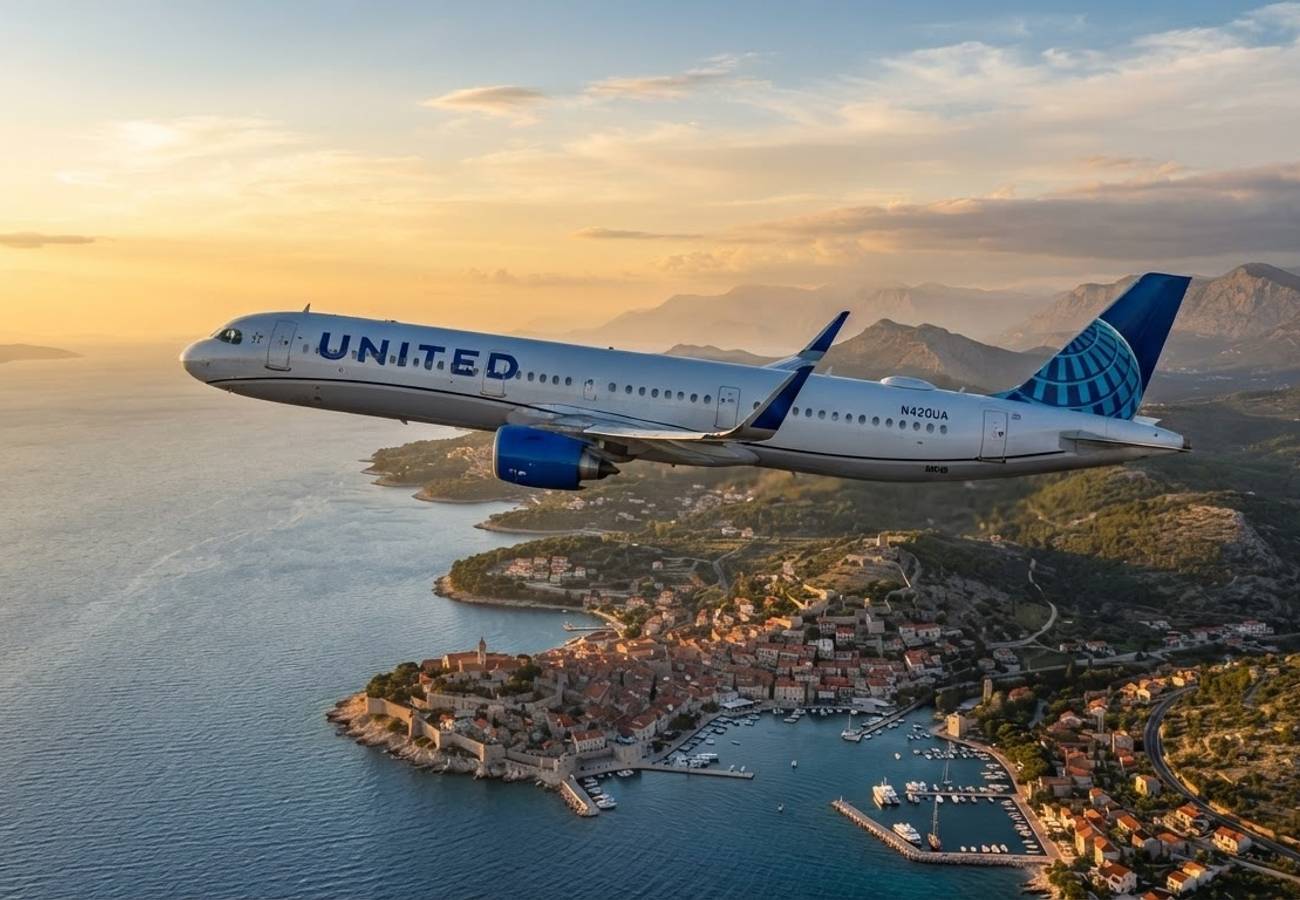
Image generated by AI
US carriers are preparing for a record-breaking summer in 2027, deploying long-range narrowbody aircraft to unlock nonstop access to secondary European markets and Mediterranean leisure hubs.
The transatlantic aviation corridor is undergoing a structural shift as United, American, Delta, and Alaska Airlines unveil an expansive slate of new and restored routes for the 2027 summer season. Moving beyond the saturated hubs of London, Paris, and Rome, US carriers are now targeting mid-sized European cities where competition is lower and premium cabin demand remains high.
The bulk of this new capacity is scheduled for launch between March and June 2027. A defining characteristic of this expansion is the deployment of narrowbody long-range aircraft, specifically the Airbus A321XLR. This aircraft allows airlines to profitably serve "thin" routes—destinations that cannot support the passenger volumes required for larger widebody jets—while still offering lie-flat business seats and premium economy configurations.
Carrier Expansion Profiles and Route Specifications
United Airlines has announced the largest international network expansion in its history, adding 10 new international cities for 2027. The carrier is concentrating its growth at Newark, Denver, and Washington Dulles, utilizing the A321XLR to penetrate southern European markets, including expanded access to Croatia, Spain, and Faro, Portugal.
American Airlines is focusing its 2027 growth on its East Coast hubs, specifically Philadelphia, New York, and Boston. The airline is leveraging its joint ventures with British Airways, Iberia, and Finnair to feed these new services.
| Airline | Key 2027 Hubs | New/Returning Destinations | Primary Aircraft |
|---|---|---|---|
| United | Newark, Denver, Washington Dulles | 10 New Cities (incl. Croatia, Spain, Portugal) | Airbus A321XLR |
| American | Philadelphia, New York, Boston | Porto, Reykjavik, Vienna | Airbus A321XLR |
| Delta | New York JFK, Atlanta, Boston | Malta, Sardinia (Seasonal) | Widebody/Narrowbody Mix |
| Alaska | Seattle, Portland | Select European Gateways | Partnership/Codeshare |
Traveler Logistics Guide: Navigating the 2027 Transatlantic Surge
From a ground-level perspective, the shift toward secondary European cities changes how travelers should plan their transit. When booking these new 2027 routes, consider the following logistics:
1. Optimal Connection Windows For those using American Airlines' new one-stop options from secondary US airports (such as Nashville) via major hubs, a minimum connection time (MCT) of 2.5 to 3 hours is recommended. While the airline is packaging domestic feed with long-haul growth, transatlantic delays are common during the peak March-June window.
2. Navigating Secondary Airports Many of the new destinations served by United and Delta are smaller regional airports. Unlike Heathrow or Charles de Gaulle, these airports may have limited ground transportation. Travelers should pre-book private transfers or verify local rail links, as ride-share availability in secondary Mediterranean cities can be inconsistent during the summer peak.
3. Digital Transit Compliance By 2027, travelers should ensure all digital travel authorizations are updated. For those entering the Schengen Area, ensure your ETIAS (European Travel Information and Authorisation System) is approved at least 96 hours before departure to avoid boarding denials at US gateways.
4. Aircraft Selection The introduction of the A321XLR on these routes provides a "boutique" long-haul experience. If you prioritize space, verify if the specific flight is operated by the XLR (narrowbody) or a widebody jet, as cabin layouts and overhead bin space differ significantly.
Infrastructure and Regional Connectivity Impact
This expansion signals a move toward "point-to-point" transatlantic travel, reducing the reliance on massive European hubs. By bypassing the congestion of London and Paris, US carriers are effectively decentralizing European tourism, pushing passenger traffic toward coastal and resort regions.
For regional connectivity, the use of the A321XLR reduces the financial risk for airlines, meaning these "seasonal" routes are more likely to become permanent fixtures if load factors remain high. This increases the economic viability of smaller European airports and encourages local infrastructure investment in terminal capacity and customs processing.
The era of the mega-hub is receding as narrowbody efficiency brings the US closer to Europe's hidden gems.
Related Travel Guides
Disclaimer
This article is for informational and educational purposes only. It does not constitute legal, financial, or professional advice. While we strive to provide accurate and up-to-date information, travel policies, regulations, and conditions change rapidly. Always verify information with official sources before making travel decisions. Nomad Lawyer makes no representations about the accuracy, reliability, completeness, or suitability of the information provided. Readers should consult qualified professionals for advice specific to their circumstances. The views expressed in this article are those of the author and do not necessarily reflect the views of Nomad Lawyer.
Naina Thakur
Contributor & Travel Specialist
Travel enthusiast and legal writer covering visa regulations, responsible tourism, and cultural journeys across global destinations.
Learn more about our team →