
Destination Campaigns: US Reports Surge in Adventure Tourism Scores
Adventure tourism surges across the United States, with Wyoming and Alaska leading the 2026 American Adventure Index as park visits top 323 million.

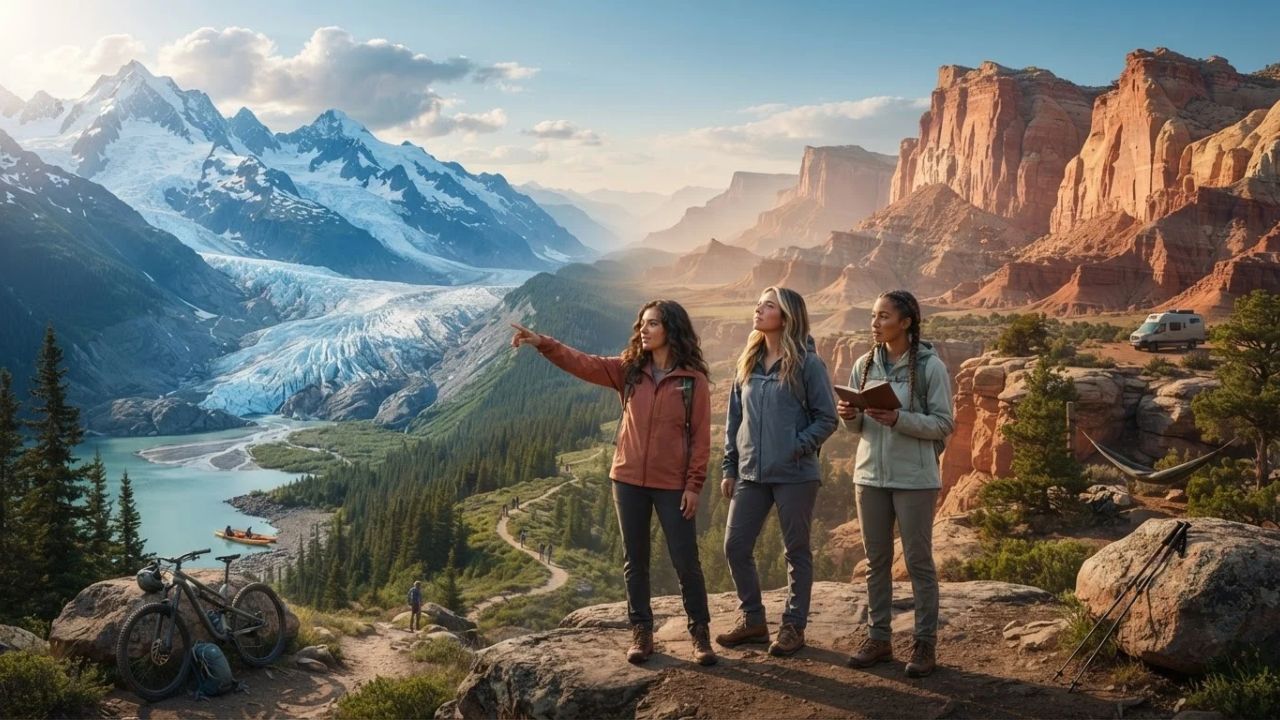
Image generated by AI
Adventure tourism surges across the United States, with Wyoming and Alaska leading the 2026 American Adventure Index as park visits top 323 million. The National Park Service indicates that rising outdoor activity coordinates visitor arrivals, supporting regional hospitality economies in neighboring gateway communities.
The Transition of Outdoor Recreations to Experience-Driven Wilderness Expeditions
A major trend in modern adventure travel is the transition of outdoor recreation from simple weekend sightseeing to experience-driven wilderness expeditions. Historically, state tourism offices promoted natural sites as background settings for car-based family picnics and highway scenic viewpoints, measuring local impact by traffic volumes. In 2026, progressive departments and federal park boards structure campaigns around specialized backcountry permits, multi-day rafting runs, and technical climbing routes that encourage travelers to participate directly in the natural environment.
By encouraging visitors to explore backcountry zones, authorities distribute tourist spend away from congested park gates. This expedition-focused travel model benefits local mountain guides, equipment suppliers, and rural community guest houses.
2026 American Adventure Index State Rankings
The index ranks the top ten US states based on outdoor diversity and infrastructure:
- Wyoming: 9.45/10 (key strengths in national parks, hiking, mountain biking, skiing, and horseback riding).
- Alaska: 9.20/10 (key strengths in glacier trekking, mountaineering, kayaking, and wilderness exploration).
- Montana: 8.85/10 (key strengths in mountain biking, horseback trails, skiing, and camping).
- Utah: 8.78/10 (key strengths in canyon exploration, rock climbing, rafting, and hiking).
- Maine: 8.25/10 (key strengths in coastal kayaking, cycling, hiking, and forest camping).
- Colorado: 8.23/10 (key strengths in high-altitude mountaineering, skiing, climbing, and biking).
- New Mexico: 7.63/10 (key strengths in desert exploration, mountain trails, and cultural routes).
- Washington: 7.35/10 (key strengths in temperate rainforest hiking, coastline routes, and alpine trails).
- Oregon: 7.10/10 (key strengths in mountain biking, river rafting, and volcanic trail networks).
- Arizona: 6.63/10 (key strengths in canyon trekking, backpacking, river rafting, and desert survival).
These scores reflect the range of outdoor assets and state-level investments in trail maintenance.
U.S. National Park Recreation Visits (2025)
Federal statistics highlight the massive scale of visitor engagement with America’s parks, recording more than 323 million total visits and 1.39 billion visitor hours in 2025:
- Great Smoky Mountains (TN/NC): 11,527,939 visits (accessible hiking and waterfall trails).
- Zion National Park (UT): 4,984,525 visits (canyon exploration and climbing).
- Yellowstone National Park (WY/MT/ID): 4,762,988 visits (geothermal and wildlife viewing).
- Grand Canyon National Park (AZ): 4,430,653 visits (backcountry trekking and rafting).
- Yosemite National Park (CA): 4,278,751 visits (granite wall climbing).
- Rocky Mountain (CO): 4,171,431 visits (alpine mountaineering).
- Acadia National Park (ME): 4,079,318 visits (coastal cycling).
- Grand Teton (WY): 3,800,648 visits (lakeside hiking and climbing).
- Olympic National Park (WA): 3,584,187 visits (temperate rainforest hikes).
- Glacier National Park (MT): 3,136,557 visits (traversed via the 50-mile Going-to-the-Sun Road).
At the Grand Canyon alone, adventure seekers registered 13,048 backcountry permits, more than 55,000 backpacking user nights, and 104,255 non-commercial Colorado River user days.
Adventure Tourism Market Valuations and Forecasts (2025-2033)
Growth indicators point toward long-term expansion in both domestic and global sectors:
- US Market (Grand View Research): Valued at US$67.4bn in 2025, projected to grow at a 17.4% CAGR to reach US$236.65bn by 2033.
- US Market (SNS Insider): Valued at US$69.22bn in 2025, forecasted to grow at a 12.93% CAGR to reach US$182.79bn by 2033.
- Global Market (Grand View Research): Estimated at US$534.4bn in 2026.
- Global Market (Global Market Insights): Estimated at US$676.7bn in 2026.
These forecasts confirm the rising commercial value of experiential and outdoor travel.
US Outdoor Adventure and National Park Coordinates
The table below breaks down the adventure sectors, state scores, annual visits, corridor landmarks, regional partners, and coordinating authorities recorded on August 24, 2026:
| Core Adventure Sector | State Index Score | Park Visits (2025) | Corridor Landmark | Regional Partner | Coordinating Authority |
|---|---|---|---|---|---|
| Geothermal & wildlife | 9.45/10 (Wyoming) | 4,762,988 visits | Yellowstone park roads | Wyoming Lodging Guild | National Park Service |
| Canyon backpacking | 8.78/10 (Utah) | 4,984,525 visits | Zion Narrows trails | Moab Adventure Center | Utah Office of Tourism |
| Coastal recreation | 8.25/10 (Maine) | 4,079,318 visits | 50-mile Sun Road | Brand USA Campaign | U.S. Travel Association |
These coordinates outline the sectors, scores, visits, landmarks, partners, and authorities established for the outdoor programs.
Resource Stewardship and Eco-Aware Outdoor Travel
For the traveler, the benefit of choosing human-powered transport (such as hiking, kayaking, or bicycling) is the reduction in carbon emissions, helping preserve the delicate ecosystems of national parks. Staying strictly on designated trails prevents root damage to old-growth pines and limits soil erosion.
Additionally, adhering to the "Leave No Trace" guidelines ensures that trash does not impact local wildlife populations. Supporting local outdoor guides and purchasing gear from independent outfitters keeps travel spending within the gateway communities.
For comparison, you can explore the changing dynamics of Stimulus Launch: Taiwan Unveils Billion-Dollar Repeat Visitor Rewards to see how destinations promote visitor spend. For transit updates, comparing travel scheduling matches other networks, such as Destination Campaigns: New Jersey Unveils Meadowlands 2050 Plan updates. This trend is similar to the tourism growth seen in other destinations, as detailed in our guide on the Hacienda Heights Bus Fire Transport Safety regulations.
Backcountry Insider Tips: Navigating US Adventure Trails
If you are planning an adventure trip in the US, keep these practical tips in mind:
- Apply for Backcountry Permits Early: Secure your overnight permits for the Grand Canyon or Zion months in advance, as the NPS limits daily entries.
- Explore the Going-to-the-Sun Road Off-Peak: Drive the 50-mile road in Glacier National Park early in the morning to avoid summer traffic and secure trailhead parking.
- Check Local Fire Restrictions: Confirm campfire and stove regulations with the forest service before setting up camp, especially during dry summer months.
- Pack Proper Safety Gear: Bring bear-resistant food canisters when exploring wilderness parks in Wyoming, Montana, and Alaska.
- Acclimatize to High Elevations: Spend a day resting in gateway cities when visiting mountain trails in Colorado to prevent altitude sickness.
Long-Term Outlook for US Adventure Tourism
The long-term outlook for adventure transit is focused on building shuttle lanes at national parks, expanding electric vehicle chargers at rural trailheads, and developing mobile reservation platforms for backcountry permits. As global interest in wilderness travel continues to grow, federal land bureaus and state environmental boards will cooperate to maintain passenger standards.
By developing sustainable transit options and protecting park habitats, the tourism sector aims to build a sustainable transport network.
FAQ
Which state ranks highest in the 2026 American Adventure Index?
Wyoming ranks first with an adventure score of 9.45 out of 10, supported by Yellowstone and Grand Teton National Parks.
How many people visited US national parks in 2025?
The National Park Service recorded more than 323 million recreation visits across its sites, totaling 1.39 billion visitor hours.
What is the projected size of the US adventure tourism market?
The US market was valued at US$67.4bn in 2025 and is projected to reach US$236.65bn by 2033, growing at a 17.4% CAGR.
How many backcountry permits were issued at the Grand Canyon in 2025?
The park reported 13,048 backcountry permits issued, which supported more than 55,000 backpacking user nights.
Stay updated on regional travel regulations and environmental campaigns shaping park transit.
Related Travel Guides
Disclaimer
This article is for informational and educational purposes only. It does not constitute legal, financial, or professional advice. While we strive to provide accurate and up-to-date information, travel policies, regulations, and conditions change rapidly. Always verify information with official sources before making travel decisions. Nomad Lawyer makes no representations about the accuracy, reliability, completeness, or suitability of the information provided. Readers should consult qualified professionals for advice specific to their circumstances. The views expressed in this article are those of the author and do not necessarily reflect the views of Nomad Lawyer.
Raushan Kumar
Founder & Lead Developer
Full-stack developer with 11+ years of experience and a passionate traveller. Raushan built Nomad Lawyer from the ground up with a vision to create the best travel and law experience on the web.
Learn more about our team →