
United States Food Tourism Accelerates National Tourism Revenue
Diverse culinary experiences across cities like New Orleans and New York are accelerating US tourism output, driving trillions in revenue.
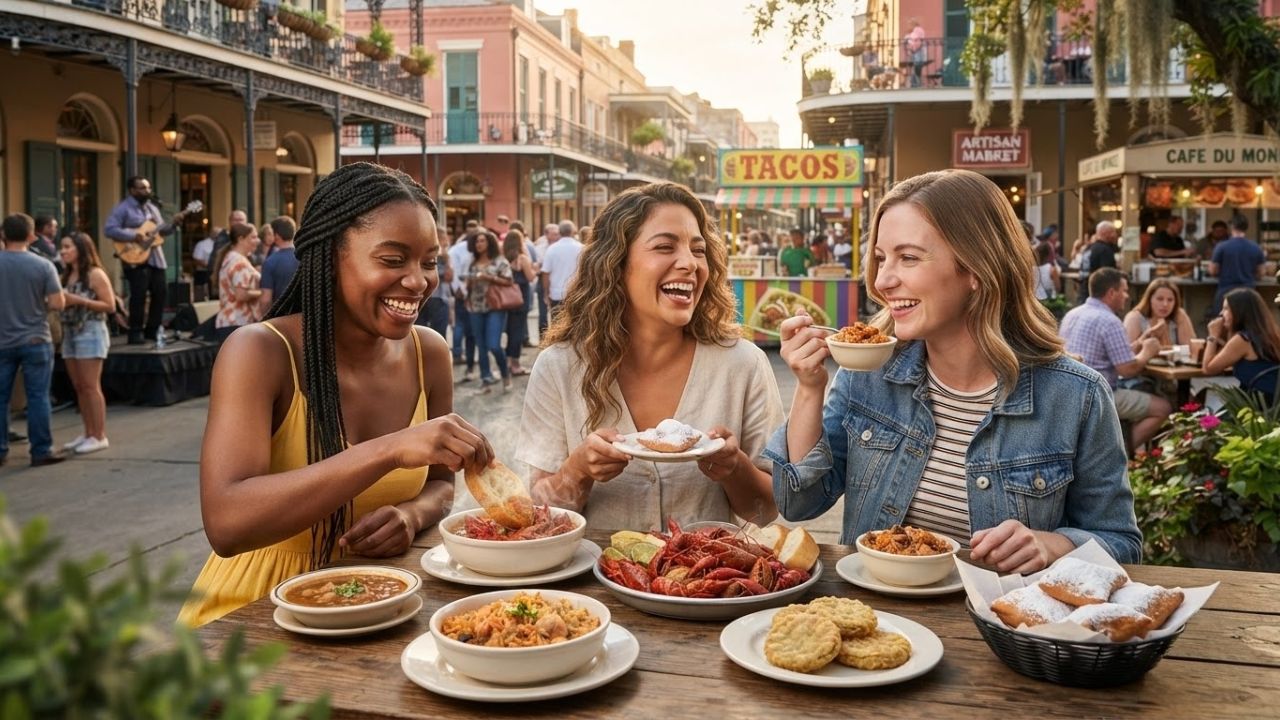
Image generated by AI
Generating more than $2.5 trillion in total travel economic output, diverse food cultures across cities like New Orleans and New York are accelerating United States tourism revenue.
The Core Transit Update
Culinary travel and regional gastronomy have emerged as primary drivers of travel activity in the United States. Federal statistics track food and beverage spending as one of the largest visitor expenditure categories.
According to the National Travel and Tourism Office (NTTO) and the Bureau of Economic Analysis (BEA), international visitors to the US reached approximately 72.4 million in 2024, contributing $254.2 billion in travel and tourism exports. A significant share of this spending was directed toward food services, supporting local dining cultures, regional food producers, and small business networks.
Culinary Gateways & Tourism Indicators
Evaluating the impact of culinary tourism requires reviewing regional specialties alongside official federal travel accounts. The following tables outline the leading US food destinations and primary economic indicators.
| Destination City | Signature Culinary & Gastronomic Highlights | Primary Economic & Tourism Impact |
|---|---|---|
| New York City | Pizza, bagels, gourmet burgers, global cuisines | Leading global culinary gateway |
| Los Angeles | Tacos, sushi, vegan options, creative food trucks | Experimental and plant-based trends |
| Chicago | Deep-dish pizza, traditional Italian beef | Midwest comfort heritage |
| New Orleans | Gumbo, jambalaya, beignets, Creole heritage | African, French, Spanish & Caribbean fusion |
| San Francisco | Sourdough bread, local seafood, California cuisine | Fresh farm-to-table innovations |
| Austin | Smoked brisket, Tex-Mex, traditional barbecue | High barbecue trail seasonal demand |
| Miami | Cuban sandwiches, local seafood, Latin flavors | Caribbean & Latin-inspired tourism |
| Las Vegas | Luxury dining experiences, celebrity chef spots | High-end leisure spending |
| Seattle | Fresh salmon, oysters, artisanal coffee culture | Pacific Northwest culinary trails |
| Nashville | Hot chicken, Southern comfort food | Southern food heritage attraction |
Top ten United States food tourism destinations and signatures.
| Federal Indicator Category | Latest Available Official Figure | Reporting Government agency / Source |
|---|---|---|
| International Visitors | ~72.4 million arrivals (2024) | National Travel and Tourism Office (NTTO) |
| International Visitor Spend | ~$254.2 billion exports (2024) | National Travel and Tourism Office (NTTO) |
| Total Travel Economic Output | >$2.5 trillion output | Bureau of Economic Analysis (BEA) |
| Culinary Tourism Segment | Not measured as a separate category | Integrated within food & beverage spending |
Official United States travel and tourism economic indicators.
Traveler Logistics Guide
From a ground-level perspective, the best way to navigate this is to build a customized travel itinerary around regional food trails—such as the Texas barbecue routes or the Louisiana Creole heritage trails—while using digital mapping tools to pre-book popular restaurants and neighborhood food walks. Checking local culinary event schedules is recommended.
To organize a culinary-focused trip to the United States:
- Pre-Book Famous Dining Slots: Establishments run by celebrity chefs in Las Vegas or Michelin-starred restaurants in New York frequently require reservations up to 30 days in advance.
- Support Local Farm-to-Table Options: Direct your dining spend toward independent eateries that highlight locally sourced ingredients, directly supporting regional agricultural economies.
- Explore Immigrant Neighborhoods: Culinary creativity in cities like Los Angeles and Miami is concentrated in cultural enclaves. Plan neighborhood food tours in areas like LA's Koreatown or Miami's Little Havana.
- Review Regional Customs Rules: If traveling internationally, remember that US customs regulations strictly prohibit bringing fresh fruits, vegetables, or meats into the country.
Infrastructure Impact Assessment
The growth of culinary-focused travel plays a major role in distributing tourism spending away from traditional landmark attractions into residential neighborhoods and rural communities.
By encouraging visitors to explore regional food events, state fairs, and agricultural tours, food tourism provides a stable economic foundation for small businesses, local farmers, and independent food producers, strengthening the resilience of regional economies.
Related Travel Guides
Venezuela Travel Alert Intensifies Over Earthquakes and Flight Limits
Disclaimer
This article is for informational and educational purposes only. It does not constitute legal, financial, or professional advice. While we strive to provide accurate and up-to-date information, travel policies, regulations, and conditions change rapidly. Always verify information with official sources before making travel decisions. Nomad Lawyer makes no representations about the accuracy, reliability, completeness, or suitability of the information provided. Readers should consult qualified professionals for advice specific to their circumstances. The views expressed in this article are those of the author and do not necessarily reflect the views of Nomad Lawyer.