
North Carolina Coastal Activity Holidays Drive Tourism Revenue Growth
Surfing, golfing, and boating are fueling an activity holiday boom in the US, with North Carolina recording over $37.2 billion in visitor spending.
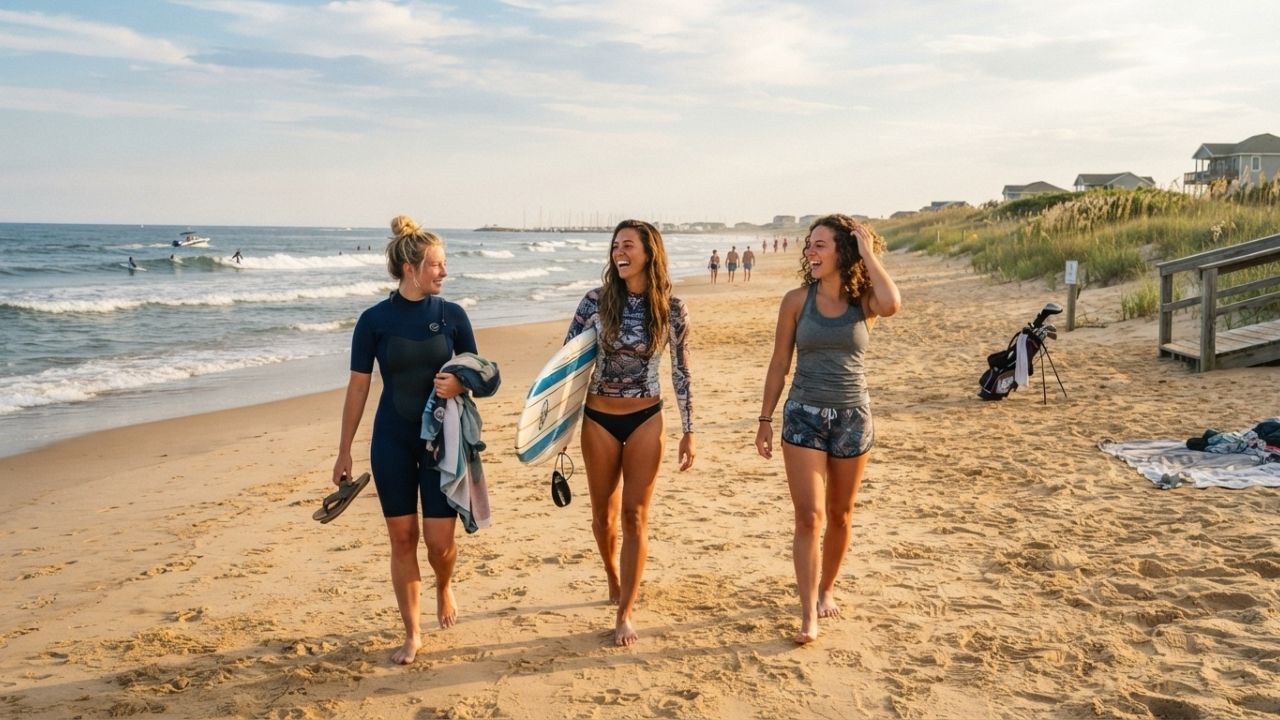
Image generated by AI
Generating more than $37.2 billion in annual visitor spending, outdoor recreation activities like surfing, golfing, and boating are driving a major tourism boom across North Carolina.
The Core Transit Update
Experience-focused travel packages and activity-based holidays are reshaping the tourism sector in the United States. Rather than opting for traditional sightseeing or passive beach vacations, travelers are increasingly planning "playcations" structured around personal hobbies and outdoor recreation.
According to the Bureau of Economic Analysis (BEA) and the National Oceanic and Atmospheric Administration (NOAA) Office for Coastal Management, coastal tourism and outdoor activities have expanded into major economic sectors, supporting millions of jobs and contributing billions to the national gross domestic product (GDP).
Outdoor Recreation Economics & Activity Centers
Evaluating the expansion of active travel requires comparing regional economic indicators alongside key activity categories. The following tables outline outdoor recreation sector values and popular adventure destinations.
| Outdoor Recreation Sector | Economic Contribution / Output Metric | Source / Reporting Agency | Primary Regional Focus Areas |
|---|---|---|---|
| Coastal Tourism & Recreation | ~$207 billion annually / 2.5M jobs | NOAA Office for Coastal Management | Outer Banks (NC), Myrtle Beach (SC), Hawaii |
| Total Outdoor Economy | $696.7 billion (Contribution to US GDP) | Bureau of Economic Analysis (BEA) | Nationwide national parks & coastlines |
| Boating and Fishing Sector | $38.4 billion value added | Bureau of Economic Analysis (BEA) | Saugatuck (MI), Osage Beach (MO), Chelan (WA) |
| North Carolina Tourism | >$37.2 billion visitor spending (2025) | North Carolina Department of Commerce | Nags Head, Kill Devil Hills, Holden Beach |
Economic impacts of outdoor recreation and tourism sectors.
| Playcation Adventure Theme | Signature Regional Destinations | Key Tourist Activities | Strategic Traveler Advice |
|---|---|---|---|
| Surf Tourism & Beach | Outer Banks (NC), Hawaii, South Carolina | Surfing lessons, paddleboarding, kayaking | Reserve surf gear and schools in advance |
| Boating & Marina Culture | Saugatuck (MI), Osage Beach (MO), Chelan (WA) | Sailing, fishing, watersports, lakeside dining | Secure marina slips early for summer |
| Golf & Lifestyle Retreats | Michigan, Wyoming, Idaho, Florida, Arizona | Golf tournaments, wellness, spa, dining | Look for package deals during off-peak seasons |
Popular United States activity holiday paths and regions.
Traveler Logistics Guide
From a ground-level perspective, the best way to navigate this is to choose smaller coastal towns like Nags Head or Holden Beach in North Carolina's Outer Banks, where beginner-friendly waves and local surf schools are highly accessible, and pre-book rental equipment and instruction online to secure lower package rates. Checking local tide charts is recommended.
To plan your outdoor activity holiday:
- Pre-Book Marina Slips: If organizing a boating holiday at Osage Beach or Lake Chelan, book marina slips and boat rentals at least two months in advance due to high seasonal demand.
- Observe Beach Preservation Rules: When visiting coastal towns along the Outer Banks, respect local sand dune protection policies and carry out all trash to support regional marine conservation efforts.
- Combine Hobbies for Better Rates: Look for lifestyle packages that combine golf tee times with wellness services or dining vouchers at regional resorts to optimize your budget.
- Check Off-Peak Travel Windows: Consider traveling during shoulder seasons (late spring or early autumn) to avoid crowded beaches and secure lower accommodation rates.
Infrastructure Impact Assessment
The shift toward active recreation supports the development of tourism infrastructure in smaller coastal and lakefront communities.
By directing visitor spending toward local surf schools, equipment hire shops, and family-run marinas, the playcation trend distributes economic benefits beyond large urban centers, encouraging regional investment in environmental conservation, public beaches, and maritime facilities.
Related Travel Guides
United States Food Tourism Accelerates National Tourism Revenue
Disclaimer
This article is for informational and educational purposes only. It does not constitute legal, financial, or professional advice. While we strive to provide accurate and up-to-date information, travel policies, regulations, and conditions change rapidly. Always verify information with official sources before making travel decisions. Nomad Lawyer makes no representations about the accuracy, reliability, completeness, or suitability of the information provided. Readers should consult qualified professionals for advice specific to their circumstances. The views expressed in this article are those of the author and do not necessarily reflect the views of Nomad Lawyer.