
How Awaji Island and Okinawa are Leading Japan's Next-Generation Wellness Tourism and Longevity Retreat Revolution in 2026
Japan expands its wellness tourism sector as Awaji Island and Okinawa launch transformational longevity retreats combining medical innovation and heritage in 2026.

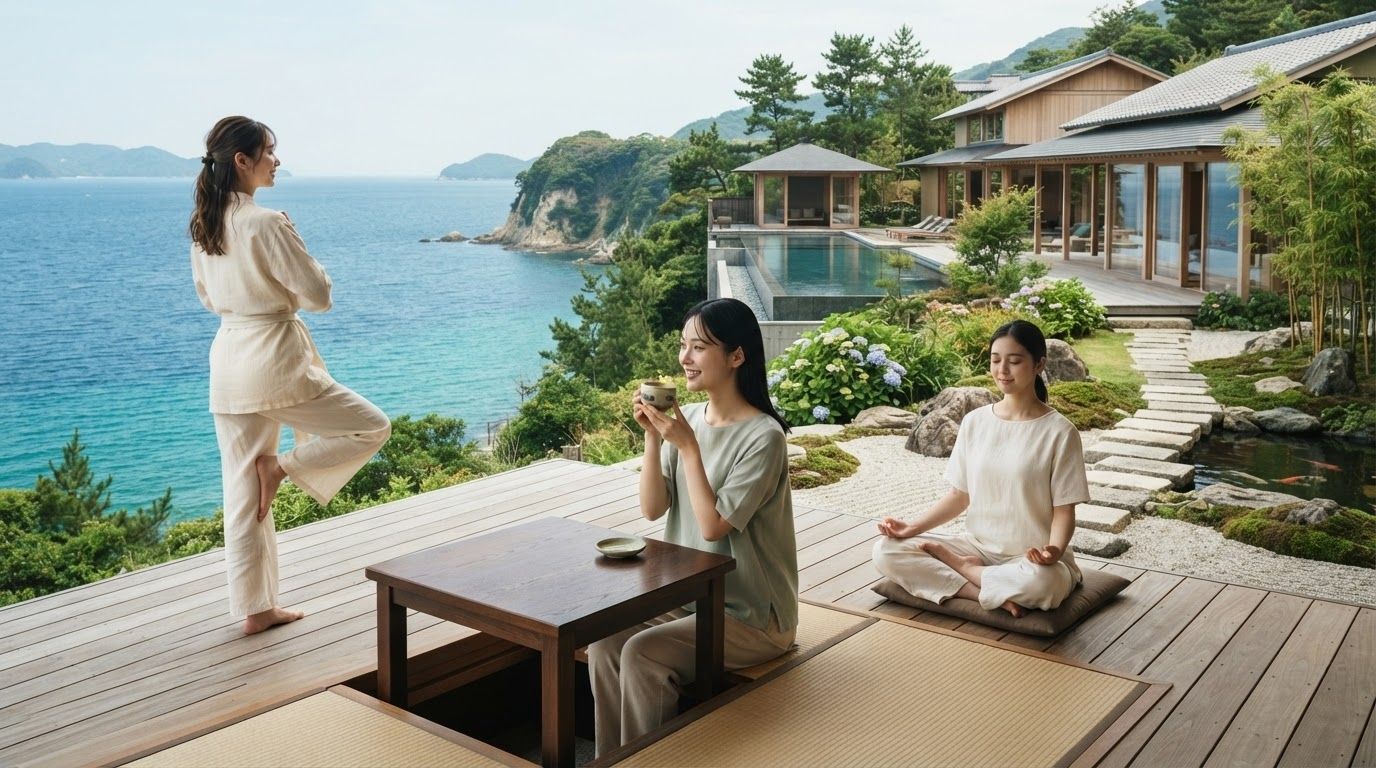
Image generated by AI
Published on July 14, 2026
Awaji Island and Okinawa are driving a wellness tourism revolution in Japan through advanced longevity retreats that combine ancient Japanese healing with modern medical innovation. By focusing on preventative healthcare, sleep science, and cultural nutrition, these destinations are redefining holistic travel in 2026.
Japan is positioning itself as a leader in global wellness tourism, with new health-focused destinations developing across Hyogo Prefecture and the Ryukyu Islands. This evolution is led by major projects, including the newly opened Pasona Natureverse on Awaji Island and the upcoming expansion of Halekulani Okinawa's longevity programs. These retreats are designed to help international travelers understand the connection between daily habits, regional environments, and long-term health, offering a structured approach to life quality improvement.
The Local Trend Revealed
The expansion of Japan's wellness travel sector reflects a growing interest in long-term wellbeing rather than short-term relaxation. In June 2026, the Pasona Natureverse retreat opened on Awaji Island in Hyogo Prefecture. The facility offers a comprehensive system based on three core areas: nutrition, exercise, and sleep. Guests take part in personalized programs that combine traditional Zen meditation and yoga with thalassotherapy (seawater therapy). The retreat integrates advanced sleep-monitoring technology in guest beds alongside an on-site clinic developed in collaboration with Kobe University Hospital, linking hospitality with medical expertise.
Meanwhile, Okinawa continues to expand its wellness offerings, building on its reputation as one of the world's primary Blue Zones. In October 2026, the luxury resort Halekulani Okinawa will launch an upgraded week-long longevity retreat. The program is designed to help visitors integrate Okinawa's traditional dietary habits, active routines, and community-centric lifestyle into their modern daily schedules.
This momentum is also encouraging pharmaceutical companies to enter the tourism sector. In April 2026, Saishunkan Pharmaceutical established a dedicated tourism division to introduce traditional Japanese medicine concepts to international visitors, partnering with major hospitality providers like Hoshino Resorts to deliver culturally authentic health programs.
Cultural & Environmental Value (Information Gain)
The growth of wellness tourism supports both cultural preservation and regional environmental protection. Retreats on Awaji Island and Okinawa are designed to work in harmony with their natural surroundings. By promoting low-impact outdoor activities like beach yoga and forest meditation, these programs encourage travelers to respect local ecosystems.
Additionally, these retreats support the local economy by sourcing organic produce, seaweed, and fresh ingredients directly from regional farmers and fishermen. On Awaji Island, agricultural initiatives connect guests with local farms, while Okinawa's longevity programs emphasize traditional plant-based cooking. This sustainable supply chain ensures that tourism revenues directly benefit rural communities and fund regional conservation projects. Preserving traditional culinary practices and natural healing systems ensures that Japan's wellness heritage remains protected for the future.
Visitor Insider Tips
For travelers seeking a transformative wellness experience in Japan, these insider tips offer guidance:
- Book During Optimal Seasons: Plan your wellness retreat during the shoulder seasons of May or October to November. The mild weather during these months is ideal for outdoor therapy, and you will avoid the high heat and humidity of mid-summer.
- Observe Zen Etiquette: When participating in Zen meditation sessions, maintain complete silence, wear loose clothing, and ensure you remove your shoes before entering designated tatami areas.
- Try Regional Longevity Foods: Support local food producers by enjoying regional specialties. Try the famous sweet Awaji Onion dishes on Awaji Island, or order Goya Champuru (bitter melon stir-fry) and umi-budo (sea grapes) in Okinawa to experience traditional longevity ingredients.
- Explore Under-the-Radar Spots: Extend your trip beyond the retreats to explore Awaji Island's quiet coastal pathways or Okinawa's northern Yanbaru forest, a protected national park that offers peaceful hiking trails.
- Follow Professional Advice: Take advantage of the consultations provided by wellness facilitators and medical partners during your stay to build a customized, long-term health plan that you can maintain at home.
Tourism Outlook
The integration of advanced healthcare technology with traditional Japanese wellness practices will continue to strengthen the country's position in the global travel market. By offering evidence-based longevity programs, retreats on Awaji Island and Okinawa are setting a new standard for responsible and health-focused tourism.
As international demand for preventative healthcare rises in the coming years, destinations that combine environmental preservation with personalized medical and cultural wellness will remain highly competitive. Japan's balanced model ensures that the expansion of tourism supports the health of both the visitor and the host community.
Related Travel Guides
Disclaimer
This article is for informational and educational purposes only. It does not constitute legal, financial, or professional advice. While we strive to provide accurate and up-to-date information, travel policies, regulations, and conditions change rapidly. Always verify information with official sources before making travel decisions. Nomad Lawyer makes no representations about the accuracy, reliability, completeness, or suitability of the information provided. Readers should consult qualified professionals for advice specific to their circumstances. The views expressed in this article are those of the author and do not necessarily reflect the views of Nomad Lawyer.
Kunal K Choudhary
Co-Founder & Contributor
A passionate traveller and tech enthusiast. Kunal contributes to the vision and growth of Nomad Lawyer, bringing fresh perspectives and driving the community forward.
Learn more about our team →