
United States Aligns with Turkiye and More Nations in Preparing to Host Aviation Shows for Industry Leaders in October 2026
United States Aligns with Turkiye and More Nations in Preparing to Host Aviation Shows for Industry Leaders in October 2026

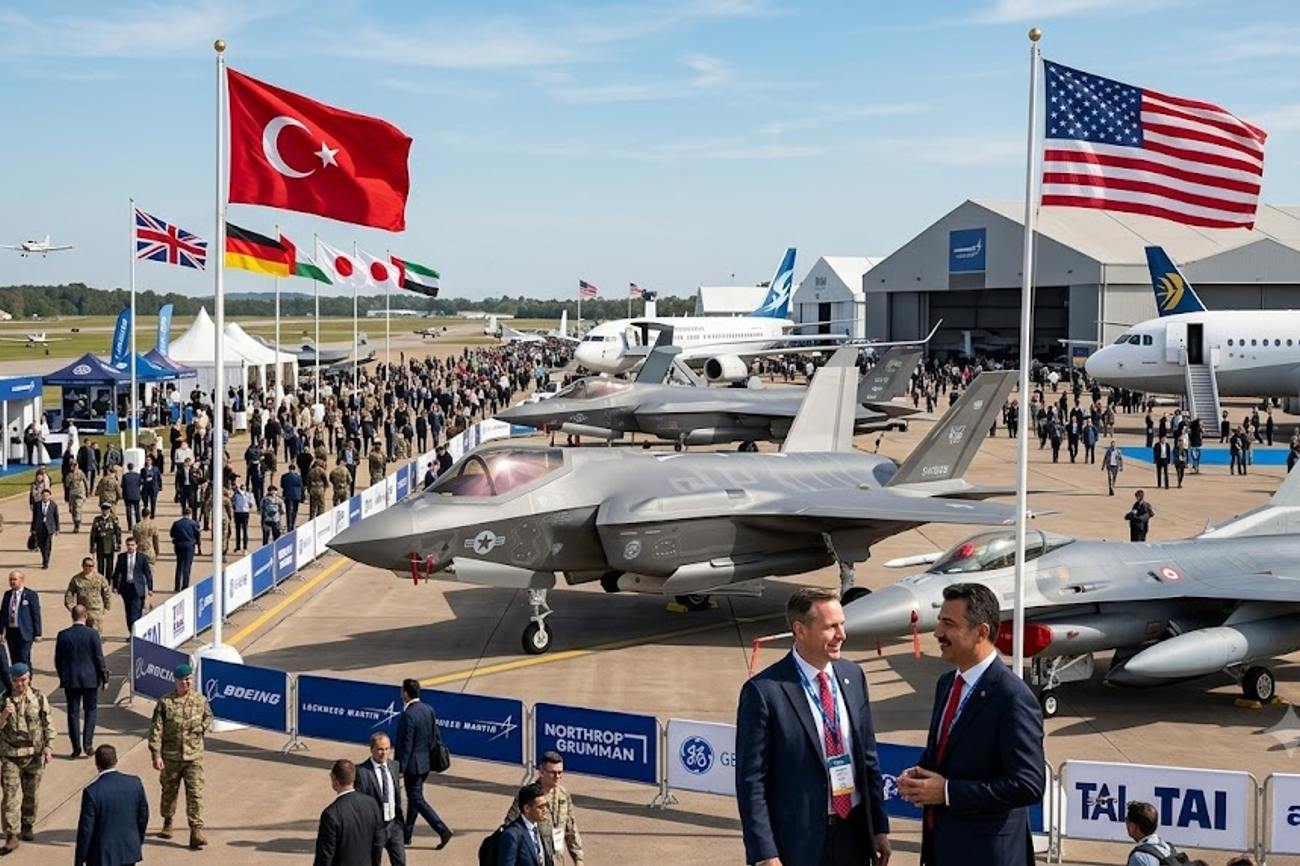
Image generated by AI
11 distinct global aviation summits scheduled for October 2026 signal a concentrated industry effort to synchronize the rollout of next-generation flight technology and safety protocols. This clustering of events across North America, Europe, and Asia suggests that the aviation sector is moving toward a standardized global framework for artificial intelligence integration and decarbonization. Rather than isolated regional updates, the simultaneous convening of regulators, manufacturers, and operators indicates a systemic push to resolve the tension between rapid technological adoption and rigid safety mandates.
The Geopolitical Architecture of October 2026
The distribution of these summits reflects a strategic alignment between the United States, Türkiye, and the European Union. By hosting critical safety and sustainability forums in Istanbul and Brussels, the industry is positioning itself to bridge the gap between Western regulatory frameworks and the rapidly expanding aviation markets of the East. This is not merely a calendar of trade shows; it is a diplomatic effort to ensure that as aircraft become more autonomous and fuel sources shift, the legal and operational standards remain interoperable across borders.
The involvement of Turkish Airlines in hosting the safety operations summit in Istanbul underscores Türkiye's role as a primary connectivity hub. Similarly, the concentration of sustainability discussions in Brussels places the dialogue directly within the legislative heart of the EU, where the most stringent environmental mandates for aviation are typically authored.
Technical Specifications and Event Logistics
The October 2026 calendar is bifurcated between high-level policy summits and granular engineering symposia. While the World Aviation Festival focuses on the "front-end" passenger experience, the Thermal Management Systems Symposium addresses the "back-end" physics required to make electric flight viable.
| Event Name | Date (October 2026) | Location | Primary Industry Focus |
|---|---|---|---|
| Thermal Management Systems Symposium | 6–7 | Dearborn, Michigan, USA | Electrification & Heat Flux |
| IATA World Safety & Operations Conference | 6–8 | Istanbul, Türkiye | AI, Automation & Safety Data |
| KOMPOZYT-EXPO | 7–8 | Kraków, Poland | Lightweight Composite Materials |
| California Capital Airshow | 10–11 | Sacramento, California, USA | Public Engagement & STEM |
| World Aviation Festival | 13–15 | Lisbon, Portugal | Agentic AI & Digital Retail |
| IATA World Sustainability Symposium | 13–14 | Brussels, Belgium | Net-Zero 2050 & SAF |
Expert Analysis: The Convergence of AI and Aerodynamics
For the professional traveler and the aviation stakeholder, the simultaneous focus on "Agentic AI" in Lisbon and "Thermal Management" in Michigan reveals a critical industry bottleneck: the hardware is struggling to keep pace with the software.
The push toward "Agentic AI"—AI that can take autonomous action rather than just providing suggestions—means that airlines are looking to automate disruption management and passenger retail. However, the data from the Dearborn symposium suggests that the physical aircraft are facing immense heat-management challenges as they integrate the high-performance electronics required to run these systems, especially in hybrid-electric prototypes.
The direct consequence for travelers booking flights in the late 2020s will be a bifurcated experience. On one hand, the "digital journey" (booking, check-in, baggage tracking) will become almost entirely frictionless due to the automation strategies discussed at the World Aviation Festival. On the other hand, the actual flight hardware will undergo a volatile transition period. The focus on composite materials in Kraków and sustainability in Brussels indicates that the industry is desperate to shed weight and carbon, but the reliance on "human factors" discussed in Istanbul proves that the industry does not yet trust AI to fly the plane without a heavily trained human safety net.
Pricing pressure will likely increase as airlines invest heavily in Sustainable Aviation Fuel (SAF) and new composite fleets. These are not low-cost upgrades; they are fundamental rebuilds of the aviation business model. Travelers should expect "sustainability surcharges" to move from optional offsets to integrated ticket costs as the goals set in Brussels are codified into law.
Key Takeaways
- AI Integration: The industry is shifting from basic AI to "Agentic AI," aiming to automate complex operational decisions and passenger service.
- Hardware Bottlenecks: Thermal management of batteries and electronics remains a primary hurdle for the viability of electric and hybrid-electric aircraft.
- Material Evolution: A renewed focus on composite materials in Poland highlights the industry's obsession with weight reduction to meet fuel efficiency targets.
- Safety Paradox: Despite the push for automation, the Istanbul summit emphasizes that human-centric safety and emergency response remain the non-negotiable core of operations.
- Regulatory Pressure: The Brussels symposium confirms that the 2050 net-zero target is the primary driver for current investment in SAF and non-CO2 emission tracking.
FAQ: Aviation Industry Trends 2026
How will the focus on "Agentic AI" affect my flight experience? You will likely see a shift from chatbots that provide links to AI agents that can independently rebook your flight, negotiate hotel vouchers, and update your itinerary in real-time during a disruption without requiring a human agent.
Why are composite materials important for ticket prices? Lighter aircraft produced from advanced composites consume less fuel. While the initial cost of these materials is high, the long-term reduction in fuel burn is the primary way airlines attempt to stabilize fare prices amidst rising energy costs.
What is the significance of the IATA sustainability goals? The International Air Transport Association (IATA) is pushing for a net-zero carbon footprint by 2050. This means a massive shift toward Sustainable Aviation Fuel (SAF), which will fundamentally change how aircraft are fueled and priced globally.
Will "electric flight" be available by 2026? While symposia in Dearborn are solving the thermal issues, full-scale commercial electric flight for long-haul travel remains distant. Expect small-scale, short-hop electric regional flights or hybrid prototypes to be the primary focus.
The flight path to 2050 is being mapped in October 2026, but the turbulence of transition remains.
Tags: IATA-WSOC-2026, World-Aviation-Festival-Lisbon, Sustainable-Aviation-Fuel-2050, Thermal-Management-Dearborn, Turkish-Airlines-Istanbul, KOMPOZYT-EXPO-Kraków
Related Travel Guides
- Arabian Travel Market 2026 Puts Agentic AI, Robotics and Digital Discovery at the Heart of Travel’s Next Era
- Hong Kong International Lantern Spectacular 2026: Victoria Park Guide & Free Entry Details
- AirBaltic Restructuring Sparks Europe Airline Warning as Wizz Air and Others Face Tough Financial Challenges
Disclaimer
This article is for informational and educational purposes only. It does not constitute legal, financial, or professional advice. While we strive to provide accurate and up-to-date information, travel policies, regulations, and conditions change rapidly. Always verify information with official sources before making travel decisions. Nomad Lawyer makes no representations about the accuracy, reliability, completeness, or suitability of the information provided. Readers should consult qualified professionals for advice specific to their circumstances. The views expressed in this article are those of the author and do not necessarily reflect the views of Nomad Lawyer.
Preeti Gunjan
Contributor & Community Manager
A passionate traveller and community builder. Preeti helps grow the Nomad Lawyer community, fostering engagement and bringing the reader experience to life.
Learn more about our team →