
United-American Airlines Mega Merger Sparks Monopoly Crisis: Delta, Southwest, JetBlue Brace for Market Upheaval in 2026
United Airlines and American Airlines merger plan triggers defensive moves across US aviation. Delta, Southwest, JetBlue face consolidation threat as industry braces for monopoly concerns and pricing power shifts.

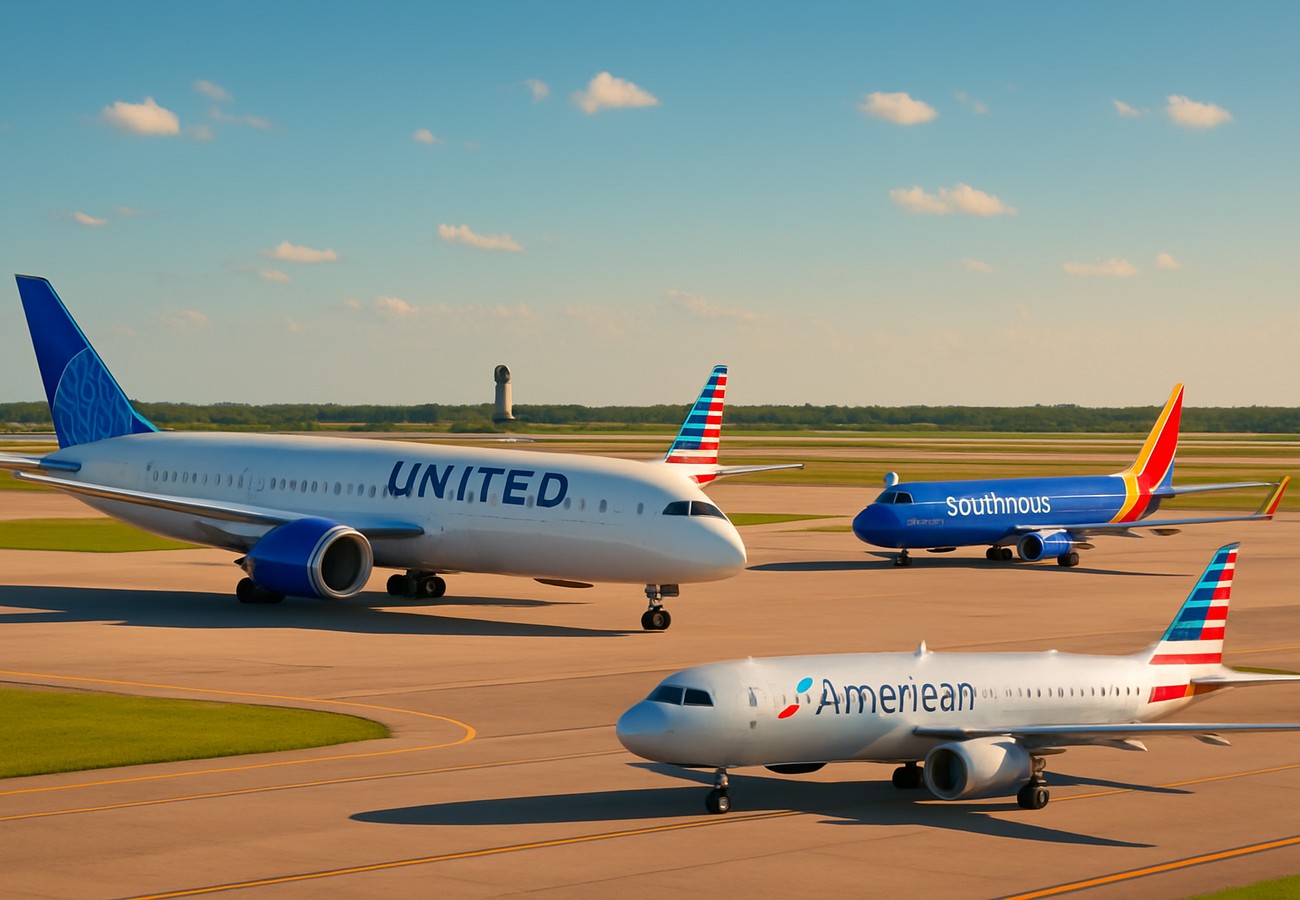
Image generated by AI
United-American Merger Proposal Triggers Industry-Wide Defensive Scramble as Consolidation Threatens US Aviation Competition
A proposed mega-merger between United Airlines and American Airlines has sent shockwaves through the US aviation sector, forcing competitors including Delta Air Lines, Southwest Airlines, JetBlue Airways, Frontier Airlines, and Spirit Airlines into urgent defensive posturing. The consolidation proposal, reportedly floated by United CEO Scott Kirby to political leadership, threatens to create an unprecedented aviation giant controlling nearly one-third of all US domestic passenger traffic—a concentration level that has triggered immediate antitrust concerns and sparked a broader industry restructuring race.
The proposed combination would establish the world's largest airline by network scale and domestic market dominance, commanding approximately 30% of US domestic passengers and consolidating control over critical hubs including Chicago, Los Angeles, and New York. This level of market concentration represents an entirely different magnitude of risk compared to previous consolidation waves, such as the United-Continental merger and American-US Airways merger, which reshaped the industry landscape over the past two decades. Industry analysts warn that such dominance would centralize pricing power, reduce competitive pressure on fares, and potentially create systemic vulnerabilities across the entire aviation ecosystem.
Delta Air Lines is responding to the consolidation threat by positioning itself as the premium-focused, stability-oriented alternative in a potentially narrowed competitive landscape. The Atlanta-based carrier is doubling down on high-yield passenger segments through enhanced premium cabin offerings, expanded loyalty benefits, and strengthened international connectivity. Delta's strategy centers on brand differentiation and operational reliability rather than aggressive pricing competition, with the airline reinforcing dominance at key hubs like Atlanta and New York while maintaining strict pricing discipline. This approach aims to protect profit margins if the United-American combination materializes and reduces competitive pressure on fares across major routes.
Southwest Airlines, traditionally the industry's low-cost disruptor, is leveraging its point-to-point network model and transparent pricing structure as competitive advantages in a consolidated market. The Dallas-based carrier is preparing to defend market share more aggressively by potentially expanding capacity on key domestic routes and emphasizing its no-change-fee policy and customer-friendly approach. Unlike legacy carriers dependent on hub-and-spoke dominance, Southwest's operational model provides inherent flexibility to compete against larger consolidated rivals, though the airline must still adapt to scenarios where fewer competitors control disproportionate market power.
Smaller carriers face existential pressure from the consolidation threat. JetBlue Airways and Spirit Airlines, both already burdened by failed merger attempts and regulatory scrutiny, confront an increasingly hostile competitive environment. A United-American giant would amplify the imbalance between mega-carriers and regional competitors, potentially squeezing smaller airlines' access to premium routes and limiting their ability to compete on pricing. Frontier Airlines similarly faces margin compression as larger consolidated rivals gain enhanced bargaining power with aircraft manufacturers, fuel suppliers, and airport authorities.
The merger proposal intersects with broader structural challenges plaguing the aviation industry, including volatile fuel costs, rising labor expenses, and fluctuating demand cycles. According to the International Air Transport Association (IATA), global aviation faces sustained pressure from geopolitical uncertainty and economic volatility, making operational scale increasingly critical for long-term resilience. However, consolidation introduces counterbalancing risks: reduced competition, centralized pricing control, and potential systemic vulnerabilities that could harm consumers and destabilize the broader transportation network. Regulators, including the Department of Justice and Federal Trade Commission, are monitoring the proposal closely, with antitrust frameworks designed specifically to prevent excessive market concentration.
What This Means for Travelers
The United-American merger proposal carries profound implications for air travelers across North America. If approved, passengers could face reduced route competition, higher fares on consolidated routes, and diminished service options on key domestic corridors. The combined carrier's control over approximately 30% of US domestic capacity would grant unprecedented pricing power, potentially enabling systematic fare increases on routes where competition narrows. Conversely, if regulators block the merger, the defensive strategies adopted by Delta, Southwest, and other carriers could trigger competitive pricing battles and expanded capacity on popular routes, benefiting price-sensitive travelers.
Industry consolidation accelerates when structural pressures—fuel volatility, labor costs, and demand uncertainty—exceed competitive advantages, forcing carriers to choose between scale or specialization.
The aviation industry stands at a critical inflection point. The United-American merger proposal reflects deeper structural challenges that have plagued carriers since the pandemic recovery, but the consolidation path carries substantial risks for consumers and market stability. As regulators weigh the proposal, competitors are simultaneously reshaping their strategies to survive in a potentially consolidated landscape. The outcome will determine whether US aviation evolves toward greater efficiency through scale or toward reduced competition and higher consumer costs. Travelers should monitor regulatory developments closely, as the decision will reshape domestic air travel pricing, route availability, and service quality for years to come.
Related Travel Guides
Disclaimer
This article is for informational and educational purposes only. It does not constitute legal, financial, or professional advice. While we strive to provide accurate and up-to-date information, travel policies, regulations, and conditions change rapidly. Always verify information with official sources before making travel decisions. Nomad Lawyer makes no representations about the accuracy, reliability, completeness, or suitability of the information provided. Readers should consult qualified professionals for advice specific to their circumstances. The views expressed in this article are those of the author and do not necessarily reflect the views of Nomad Lawyer.
Kunal K Choudhary
Co-Founder & Contributor
A passionate traveller and tech enthusiast. Kunal contributes to the vision and growth of Nomad Lawyer, bringing fresh perspectives and driving the community forward.
Learn more about our team →