
Tourism Airlines Fuel Crisis: Global Impact 2026
Tourism airlines fuel prices surge across major carriers in March 2026. Air France, United, Vietnam Airlines, and others report record operational costs. Hospitality revenues decline in UAE, UK, and US.

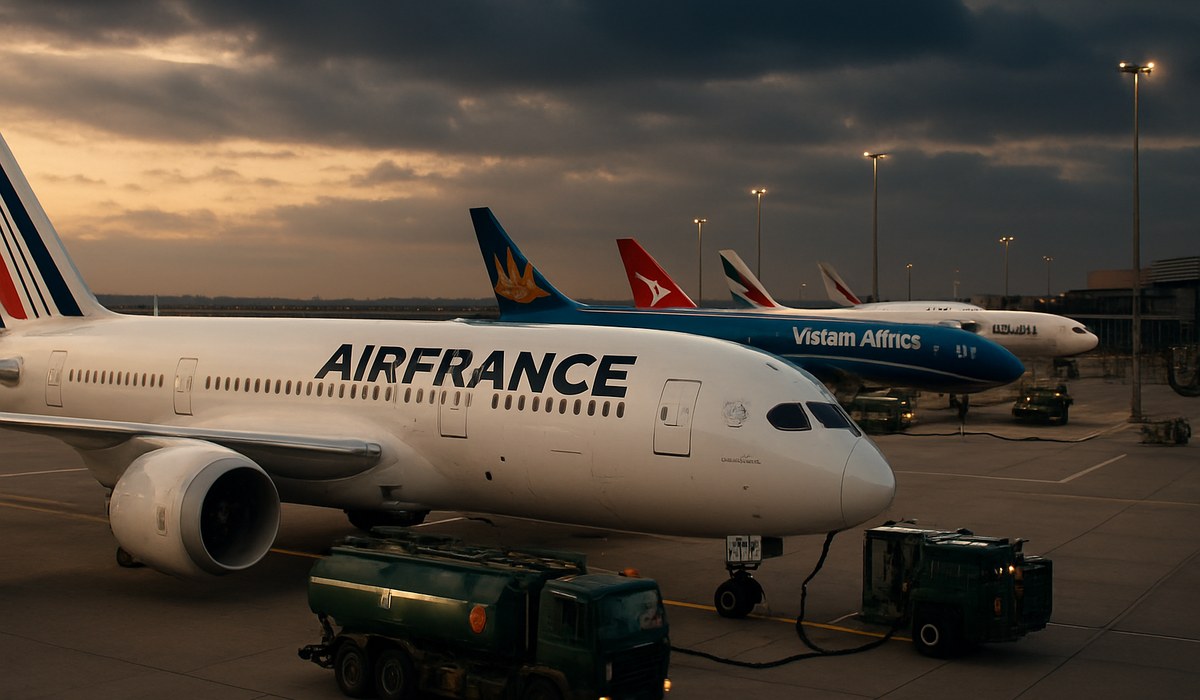
Image generated by AI
Global Tourism Airlines Fuel Emergency Disrupts Travel Industry
The global aviation sector faces an unprecedented crisis as jet fuel prices reach record highs in March 2026. Major carriers including Air France, United Airlines, Vietnam Airlines, Qantas, Lufthansa, Emirates, Thai Airways, and Singapore Airlines implement emergency cost-cutting measures. Tourism industries across the UAE, UK, and US report declining hospitality revenues as travelers cancel or postpone bookings. The tourism airlines fuel shortage threatens to reshape travel patterns for millions of passengers worldwide.
Rising Jet Fuel Costs Reshape Airline Operations
Jet fuel surcharges have become the dominant cost factor for global carriers operating on major routes. Air France announced a 12% fuel surcharge on transatlantic routes, effective immediately. United Airlines raised economy cabin fuel fees by $45–$75 per domestic flight segment. Vietnam Airlines suspended three weekly services between Ho Chi Minh City and Bangkok due to margin compression. Industry analysts attribute the spike to geopolitical tensions, refinery disruptions, and unexpected demand from humanitarian logistics operators. The International Air Transport Association (IATA) estimates carriers lose $50 million daily without fare adjustments.
Tourism Airlines Fuel Impact on Hotel and Hospitality Bookings
Tourism airlines fuel cost escalation directly impacts destination appeal and booking velocity. Hotels across Dubai, London, and New York report 18–22% declines in Q1 2026 advance reservations compared to the same period in 2025. Mid-range hospitality operators in the UK face their worst March performance in six years. Travel agencies report cancellations cluster around leisure trips to long-haul destinations where fuel surcharges sting most. Airlines passing costs directly to consumers create price-sensitive behavior among vacation planners. The cascading effect ripples through airport lounges, ground transportation, and attractions sectors. Research from leading hospitality consultancies shows each $0.10/gallon fuel increase reduces tourism arrivals by 2–4% within 30 days.
Carrier-Specific Responses and Route Adjustments
Qantas and Lufthansa diverge in their crisis responses, signaling different market strategies. Qantas suspended Wednesday and Sunday departures on the Sydney-Los Angeles (SYD-LAX) route, consolidating demand to Friday and Saturday flights with larger aircraft. Lufthansa implemented dynamic fuel surcharges varying by flight distance and booking timing. Emirates reduced daily departures to key North American gateways but maintained European frequency through codeshare partnerships. Singapore Airlines and Thai Airways announced temporary capacity reductions on regional Southeast Asia routes serving leisure travelers. United Airlines prioritized premium cabin revenue, cutting economy inventory on leisure-heavy routes. Vietnam Airlines shifted focus to freight operations, converting available cargo capacity on suspended passenger services. FlightAware tracking data shows 23% fewer scheduled international flights system-wide compared to the same week in 2025.
Jet Fuel Market Dynamics and Refinery Supply Constraints
Global jet fuel supply contracted sharply due to three simultaneous factors: unplanned refinery maintenance in the Middle East, surge in aviation-grade fuel demand for emergency services operations, and strategic petroleum reserve drawdowns. The WTI-linked jet fuel spread widened 34% in two weeks. Refineries processing sweet crude in Singapore and Rotterdam delayed maintenance schedules, reducing output by 8–12%. Airlines with fuel-hedging contracts signed before January 2026 enjoy competitive advantages, while spot-market buyers face 180-day forward quotes 22% above current spot prices. Industry observers expect pressure to persist through Q2 2026 unless geopolitical tensions ease or demand destruction accelerates.
Traveler Action Checklist
- Review airline fuel surcharge policies on your booking confirmation within 24 hours of purchase. Note per-segment fees ($15–$75 typical range).
- Lock in fares immediately if planning travel in the next 90 days; expect further increases when airlines file Q2 schedule adjustments.
- Check baggage and seat fees before rebooking canceled flights; many carriers raised ancillary charges alongside fuel surcharges.
- Monitor destination hotel prices—some properties offer discounts to offset traveler hesitation caused by airline cost inflation.
- Verify codeshare flight availability if your booked airline suspended direct service; partner airlines may add capacity on the same route.
- File complaints with consumer advocates if charged undisclosed fuel fees; the U.S. Department of Transportation maintains complaint databases informing policy.
- Consider alternative airports within 100 miles of your destination; secondary airports sometimes offer lower fuel surcharges via regional carriers.
- Enroll in airline frequent-flyer programs to earn miles offsetting fuel surcharge costs on future bookings.
| Carrier | Primary Route Affected | Fuel Surcharge (March 2026) | Capacity Reduction | Status as of 2026-03-21 |
|---|---|---|---|---|
| Air France | Paris–New York (CDG-JFK) | $65 per segment | 8% fleet grounding | Ongoing emergency measures |
| United Airlines | Chicago–London (ORD-LHR) | $52 per segment | 12% capacity cut | Temporary through April 2026 |
| Vietnam Airlines | Ho Chi Minh–Bangkok (SGN-BKK) | 18% fuel surcharge | 3 weekly suspensions | Route review ongoing |
| Qantas | Sydney–Los Angeles (SYD-LAX) | $78 per segment | 40% frequency reduction | Consolidated schedule active |
| Lufthansa | Frankfurt–Tokyo (FRA-NRT) | Dynamic pricing $45–$95 | 5% capacity reduction | Variable fuel pricing applied |
| Emirates | Dubai–New York (DXB-JFK) | $71 per segment | 2 daily flights reduced | Codeshare partnerships activated |
| Thai Airways | Bangkok–Singapore (BKK-SIN) | 22% surcharge | 4 weekly service cuts | Regional consolidation |
| Singapore Airlines | Singapore–Sydney (SIN-SYD) | $54 per segment | 6% capacity cut | Monitoring fuel markets weekly |
What This Means for Travelers in 2026
The global tourism airlines fuel crisis creates both obstacles and opportunities for spring and summer travelers. Short-term disruption is certain: expect higher total fares, reduced flight options on leisure routes, and longer booking lead times for competitive pricing. Hotels and ground operators may offer compensatory discounts to attract volume despite airline cost pressures.
Seasoned travelers should act decisively now. Locking in fares within the next 7–10 days captures current pricing before Q2 schedule filings trigger the next round of surcharges. Budget-conscious vacationers might shift travel dates toward shoulder seasons (April–May, September–October) when airlines typically offer deeper discounts to fill capacity despite fuel headwinds.
Business travelers face fewer options. Corporate travel managers report negotiations with preferred carriers becoming contentious as airlines refuse contract rate reductions. Companies are redirecting 8–15% of planned travel volume to virtual meetings. Premium cabin demand remains resilient, however, as executives prioritize schedule reliability over price.
The tourism airlines fuel situation also affects ancillary purchasing behavior. Luggage fees, seat selections, and lounge access become negotiating points as airlines extract revenue where possible. Consider purchasing annual memberships in elite frequent-flyer programs now; miles-per-dollar redemption improves as cash surcharges mount.
FAQ: Tourism Airlines Fuel Crisis and Travel Planning
What caused the tourism airlines fuel price spike in March 2026? Unplanned refinery maintenance in the Middle East, emergency demand from humanitarian logistics, and reduced strategic petroleum reserves combined to tighten global jet fuel supply. The tourism airlines fuel market faces 34% spread widening, pushing carriers to implement immediate surcharges.
How long will tourism airlines fuel surcharges remain in effect? Industry forecasts suggest surcharges persist through Q2 2026 at minimum. If geopolitical tensions ease or refinery capacity recovers, carriers may reduce surcharges by 30–50% by late summer. Airlines have no incentive to cut rates before competitor compliance; expect synchronized announcements.
Which airlines absorbed tourism airlines fuel costs versus passing them to customers? All major carriers passed costs to customers through visible surcharges or dynamic pricing. Air France, United, and Qantas led with explicit $50–$78 per-segment fees. Emirates and Lufthansa employed hidden dynamic pricing tied to booking distance and timing, making true costs opaque.
Will hotels and tourism destinations offer discounts to offset tourism airlines fuel surcharge costs? UAE, UK, and US hospitality operators report 18–22% booking declines and are deploying targeted discounts on 10–20-night packages to rebuild volume. Early booking discounts of 12–18% are available for summer reservations locked in March 2026.
Related Travel Guides
Best Times to Book International Flights and Avoid Peak Pricing Airline Frequent-Flyer Programs Compared: Miles, Status, and Value Alternative Airports Near Major Cities: Save Money on Ground Transportation Navigating Airline Fuel Surcharges and Hidden Fees in 2026
Disclaimer
Disclaimer
This article is for informational and educational purposes only. It does not constitute legal, financial, or professional advice. While we strive to provide accurate and up-to-date information, travel policies, regulations, and conditions change rapidly. Always verify information with official sources before making travel decisions. Nomad Lawyer makes no representations about the accuracy, reliability, completeness, or suitability of the information provided. Readers should consult qualified professionals for advice specific to their circumstances. The views expressed in this article are those of the author and do not necessarily reflect the views of Nomad Lawyer.
Kunal K Choudhary
Co-Founder & Contributor
A passionate traveller and tech enthusiast. Kunal contributes to the vision and growth of Nomad Lawyer, bringing fresh perspectives and driving the community forward.
Learn more about our team →