
Airlines United Says Engine Shortages Will Constrain Growth Through 2026
United Airlines CEO Scott Kirby warns that engine production bottlenecks represent the industry's biggest operational constraint in 2026. Supply chain disputes with manufacturers threaten fleet expansion plans.

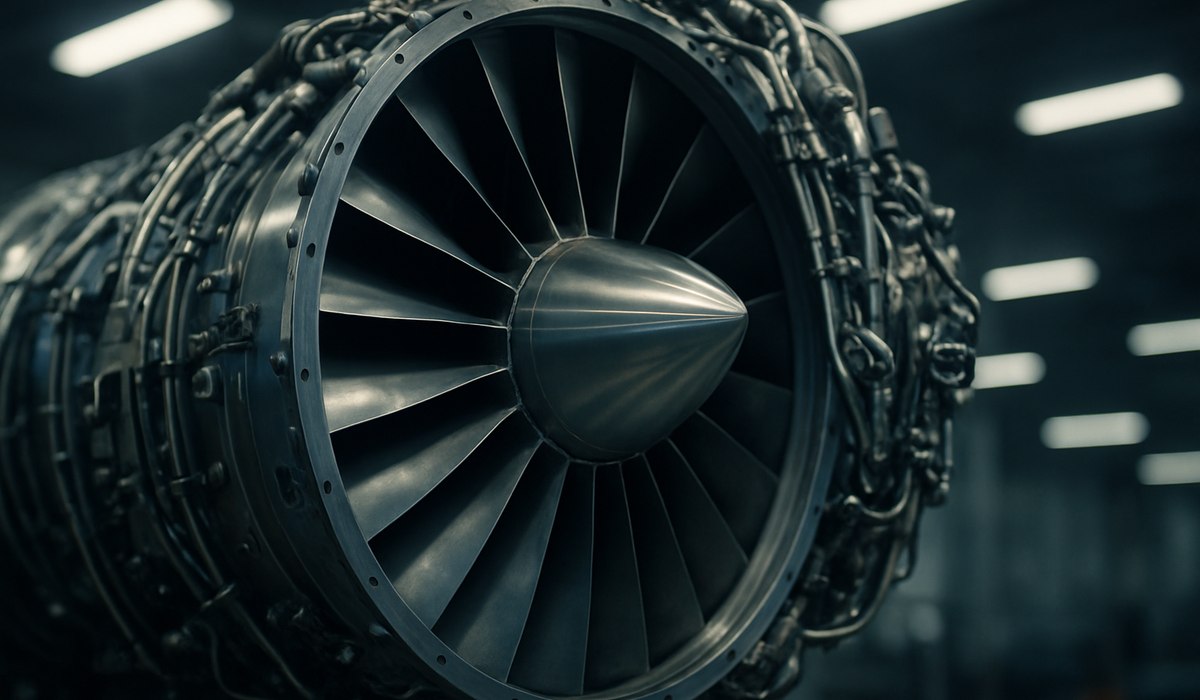
Image generated by AI
United Airlines CEO Warns Engine Supply Crisis Will Be Biggest Fleet Constraint
United Airlines CEO Scott Kirby issued a stark warning this week: engine production shortages represent the most pressing operational challenge facing the U.S. airline industry heading into the second half of 2026. Speaking candidly about manufacturing bottlenecks and supply chain disputes, Kirby highlighted how engine availability—not demand or financing—will dictate which carriers can expand their fleets and which must delay growth plans. The disclosure comes as United navigates an escalating dispute with engine manufacturer Rolls Royce over exclusivity agreements and production timelines.
This warning signals a fundamental shift in aviation constraints. For decades, airlines focused on securing aircraft financing and airport slots. Today, the real limitation sits in the turbofan engines that power modern commercial jets. When engines become scarce, carriers face impossible choices: ground aircraft, defer routes, or negotiate costly priority agreements with manufacturers.
Engine Supply Crisis Threatens Airline Expansion Plans
The global aviation recovery has exposed a critical vulnerability in aerospace manufacturing. Engine production capacity hasn't kept pace with airline demand for new aircraft. Airlines united says competition for limited engine deliveries now shapes strategic planning across the industry.
Airlines United says this shortage stems from pandemic-era manufacturing delays that persisted longer than expected. Rolls Royce, one of two primary engine suppliers serving North American carriers, faced component shortages and workforce challenges throughout 2024 and 2025. General Electric, the other major supplier, operates at maximum capacity but cannot absorb all displaced demand.
United's position as a large operator of both Boeing and Airbus aircraft amplifies its vulnerability. The carrier relies heavily on engines from both manufacturers' preferred suppliers. When production slips, United faces ripple effects across its entire fleet modernization strategy.
For travelers, this translates to delayed route launches, older aircraft remaining in service longer, and potential capacity constraints on popular routes. Airlines may prioritize profitable long-haul international flights over competitive domestic markets where older planes can still operate profitably.
Visit FlightAware to track real-time aircraft availability and understand why certain routes may have older planes assigned.
Rolls Royce Dispute Escalates as Exclusivity Agreements Create Bottlenecks
United's conflict with Rolls Royce centers on exclusivity arrangements that lock carriers into specific suppliers and production schedules. These agreements, while protecting manufacturers' revenue streams, restrict airlines' flexibility when supply chains falter.
Rolls Royce has prioritized deliveries to certain carriers based on long-term contracts, creating a two-tiered system. Airlines united says these arrangements disadvantage carriers without legacy agreements or sufficient negotiating leverage. United, despite its size, finds itself competing against other major operators for priority scheduling.
The dispute reveals tensions inherent in aerospace supply chains. Manufacturers want predictable, contracted demand. Airlines need flexibility to adjust fleet plans as market conditions shift. When one party benefits from scarcity, the other suffers.
Rolls Royce's recent production increases address some bottlenecks, but margins remain tight. Any disruption—geopolitical instability affecting component sourcing, labor challenges, or quality control issues—cascades through the entire supply chain.
Industry-Wide Impact on Fleet Growth and Route Expansion
Engine shortages extend far beyond United. Airlines across North America face similar constraints. Southwest, American, Delta, and Alaska Air all compete for available engines, creating an auction-like environment where delivery priority becomes a strategic asset.
This scarcity reshapes industry consolidation patterns. Larger carriers with stronger cash positions and longer credit histories negotiate better terms. Smaller regional carriers and leisure airlines face longer wait times for replacement and expansion aircraft.
The constraint also affects aircraft retirement timelines. Carriers keep older, less efficient planes in service longer because waiting for new aircraft isn't viable. This prolongs emissions-heavy operations and delays fuel-efficiency gains the industry achieved through fleet modernization.
According to industry analysts, engine constraints could suppress U.S. airline capacity growth by 2-3 percentage points annually through 2027. That sounds modest, but it translates to tens of millions of lost seat-miles and potential fare increases on constrained routes.
Check the FAA's official website for fleet utilization data and capacity planning information affecting commercial aviation.
What This Means for Travelers in 2026 and Beyond
Engine shortages create both visible and invisible impacts for passengers. Understanding these effects helps you navigate bookings and manage expectations.
Rising fares on popular routes: Limited capacity means airlines can charge higher prices without losing occupancy. Expect steady fare increases on competitive markets where multiple carriers serve the same route.
Consolidation of service: Smaller regional routes may see reduced frequency or larger aircraft substituted temporarily. This can mean better availability on major flights but fewer options on secondary markets.
Older aircraft deployment: You may notice more regional jets and narrow-body aircraft on routes previously served by newer, more comfortable equipment. This reflects aircraft shuffling as carriers adapt to engine availability.
Increased oversold flights: With capacity-constrained fleets, airlines overbook more aggressively. Consider purchasing seat assignments and arriving early to minimize conflicts with fully booked flights.
Potential service delays: Manufacturing delays ripple through maintenance schedules and fleet rotations, occasionally affecting on-time performance.
| Factor | Impact | Timeline | Severity | Affected Carriers | Traveler Effect |
|---|---|---|---|---|---|
| Rolls Royce production delays | Fleet expansion halted | Ongoing through 2027 | High | United, Lufthansa Group, ANA | Delayed new routes |
| Engine supply scarcity | Pricing power increased | 2026-2027 | High | All major carriers | Higher fares |
| Aircraft rotation constraints | Older planes in service | 2026-2027 | Moderate | Regional operators | Less modern cabins |
| Maintenance scheduling conflicts | Occasional delays | 2026 | Low-Moderate | United, Southwest | Rare disruptions |
| Priority delivery negotiations | Unpredictable availability | Ongoing | High | Smaller carriers | Service reductions |
| Component sourcing issues | Extended timelines | 2026-2027 | Moderate | All manufacturers | Delayed improvements |
Traveler Action Checklist
1. Book flexible fares: Purchase tickets with change/cancellation options. Engine shortages may force schedule adjustments, and flexibility costs less than change fees later.
2. Monitor airline fleet news: Follow aviation websites and airline investor relations updates. Advance knowledge of fleet changes helps you avoid older aircraft if you prefer newer cabins.
3. Consider off-peak travel: Avoid peak capacity periods when overbooking intensifies. Tuesday and Wednesday flights offer better availability and lower fares.
4. Check aircraft type before booking: Use FlightAware to view equipment assignments. Modern aircraft offer better comfort and reliability, especially on longer routes.
5. File DOT complaints if impacted: Document service failures. The U.S. Department of Transportation tracks airline performance; complaints influence regulatory scrutiny.
6. Join elite frequent flyer programs: Priority boarding and seat selection matter when flights are consistently full. Higher-tier status protects your boarding position.
7. Review airline capacity announcements: Read quarterly earnings reports and press releases. Airlines announce route changes and fleet plans before public marketing begins.
8. Budget for higher fares: Allocate additional funds for business and leisure travel. Engine constraints support price increases across the industry.
FAQ
Q: Why can't airlines just buy engines from multiple suppliers?
Most airlines do source from multiple suppliers, but production capacity limits choice. Rolls Royce and General Electric collectively cannot manufacture engines faster than airlines need them. Additionally, Boeing and Airbus aircraft require specific engine types, limiting substitution
Disclaimer
This article is for informational and educational purposes only. It does not constitute legal, financial, or professional advice. While we strive to provide accurate and up-to-date information, travel policies, regulations, and conditions change rapidly. Always verify information with official sources before making travel decisions. Nomad Lawyer makes no representations about the accuracy, reliability, completeness, or suitability of the information provided. Readers should consult qualified professionals for advice specific to their circumstances. The views expressed in this article are those of the author and do not necessarily reflect the views of Nomad Lawyer.
Raushan Kumar
Founder & Lead Developer
Full-stack developer with 11+ years of experience and a passionate traveller. Raushan built Nomad Lawyer from the ground up with a vision to create the best travel and law experience on the web.
Learn more about our team →