
United Airlines Boeing 757 Fleet Cuts 16% of Long-Haul Routes in 2026
United Airlines is reducing long-haul Boeing 757 operations by 16% in 2026, affecting dozens of international routes as the carrier modernizes its widebody fleet strategy.

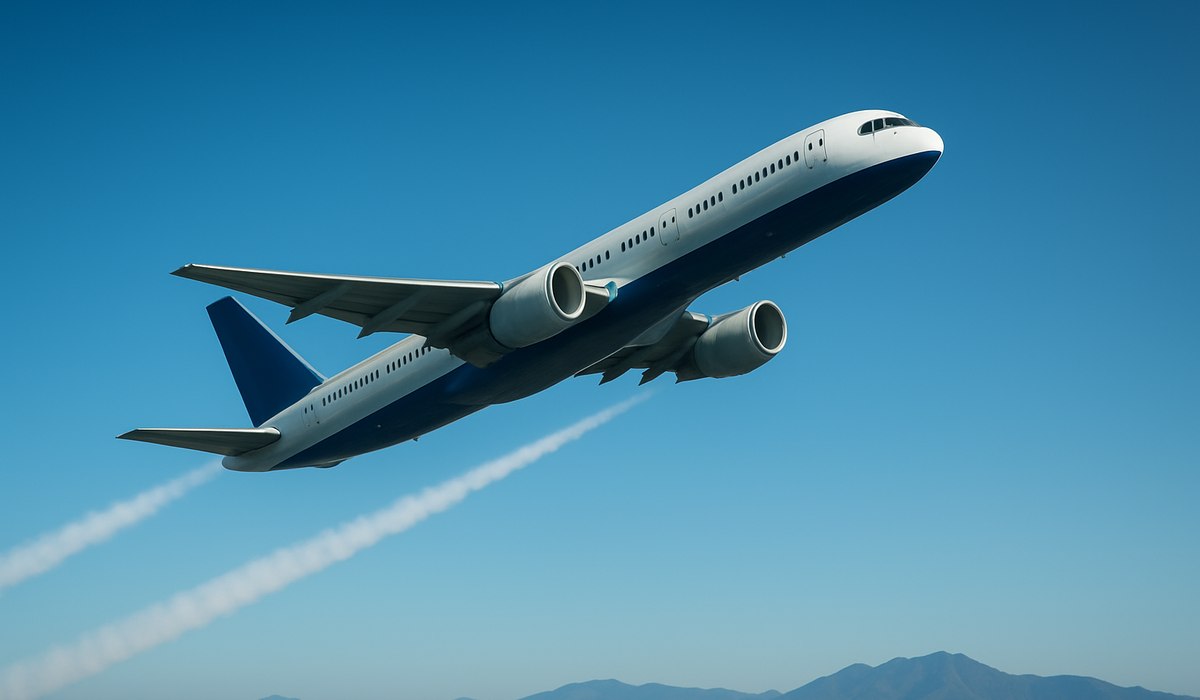
Image generated by AI
United Airlines Implements Strategic 16% Boeing 757 Reduction
United Airlines is cutting 16% of its long-haul Boeing 757 flight operations, marking a significant shift in the Chicago-based carrier's international network strategy. The Star Alliance founding member operates 61 Boeing 757 aircraft total—comprising 40 standard 757-200s and 21 stretched 757-300s—yet faces mounting pressure to retire aging widebody capacity. This capacity reduction signals United's broader pivot toward newer, more fuel-efficient aircraft and reflects evolving passenger demand patterns across transatlantic and transpacific routes during 2026.
United's 757 Fleet Overview
United Airlines maintains one of the aviation industry's largest Boeing 757 fleets, a testament to the aircraft's reliability and operational efficiency over three decades. The carrier's mixed fleet configuration provides flexibility for varying route requirements, with the 757-200 accommodating approximately 200 passengers and the 757-300 extending capacity to roughly 280 seats in high-density configurations.
However, the Boeing 757's narrow-body design increasingly constrains profitability on ultra-long-haul missions where widebody aircraft dominate. Modern competitors like the Airbus A350 and Boeing 787 Dreamliner deliver superior fuel economy, extended range, and premium cabin amenities that resonate with business and premium leisure travelers. United's planned reduction reflects this technological reality while maintaining essential connectivity across its network.
The airline has not announced wholesale 757 retirements but rather selective route realignment. This surgical approach preserves operational flexibility while positioning the fleet for gradual modernization through 2027 and beyond.
16% Reduction Impact & Route Analysis
The 16% capacity cut translates to approximately 10 daily long-haul 757 departures being eliminated or redeployed within United's network. Affected routes span transatlantic markets connecting major US hubs to European leisure and business destinations, alongside select transpacific services.
Primary impact zones include routes from Newark (EWR), Chicago O'Hare (ORD), and San Francisco (SFO) to secondary European cities where 757 operations prove less profitable than competitor offerings. Routes to London Gatwick, Paris Charles de Gaulle, and Rome Fiumicino face capacity adjustments, though United maintains robust service through larger widebody aircraft.
Passengers booked on affected departures receive rebooking options on replacement aircraft, typically larger Boeing 767s or 777s offering improved comfort and frequency. United has committed to maintaining competitive scheduling across impacted markets, preventing wholesale service withdrawal while optimizing yield management.
Why United Is Cutting Long-Haul Capacity
Fuel economics drive United's capacity reduction strategy. The Boeing 757, while operationally proven, consumes significantly more fuel per available seat mile compared to modern widebody competitors. High jet fuel costs in 2026 magnify this disadvantage, particularly on competitive transatlantic routes where fuel surcharges directly impact pricing power.
Crew scheduling complexity also factors into the decision. 757 international operations require specialized crew training and higher per-flight labor costs relative to larger aircraft operated at comparable frequencies. By consolidating long-haul services onto widebody platforms, United reduces crew base requirements and improves crew utilization metrics.
Additionally, passenger expectations for premium cabin configurations favor widebody aircraft. Modern competitors offering lie-flat business seating, superior economy spacing, and enhanced in-flight amenities capture premium revenue pools that 757 single-deck configurations cannot match. United's strategic pivot acknowledges this market reality, positioning the 757 primarily for domestic transcontinental and medium-haul Caribbean/Central American routes where narrow-body advantages persist.
Environmental sustainability messaging also supports the transition. Retiring elderly 757s from long-haul service aligns with United's carbon neutrality commitments and climate-conscious brand positioning among leisure travelers.
Timeline & Replacement Aircraft Plans
United's reduction implementation began in May 2026, with affected routes transitioned through June 2026. The carrier aims to complete the rebalancing by summer schedule finalization in July 2026, ensuring minimal disruption to peak travel seasons.
Replacement capacity derives primarily from United's expanding Boeing 787 Dreamliner fleet, with 28 aircraft on order through 2028. Additionally, the airline continues operating 51 Boeing 767-400ER aircraft, which increasingly shoulder long-haul responsibilities previously managed by 757s. The 767-400ER's superior range and cargo capability make it ideally suited for redeployed frequencies.
A smaller cohort of 757s will transition to high-frequency domestic transcontinental service, where their exceptional fuel efficiency and quick-turnaround advantages shine. Denver-based hubs and West Coast expansion markets benefit from this redeployment.
No official 757 fleet retirement targets have been announced, suggesting United maintains optionality regarding eventual disposition. Some aircraft may be leased to international carriers, sold to cargo conversion specialists, or retained for seasonal surge capacity during peak summer months.
Boeing 757 Fleet Data & Service Details
| Metric | Value | Details |
|---|---|---|
| Total United 757s | 61 aircraft | 40x 757-200, 21x 757-300 |
| Capacity Reduction | 16% | ~10 daily departures eliminated |
| Primary Impact Markets | Transatlantic routes | Secondary European cities hardest hit |
| Implementation Timeline | May-July 2026 | Completion by summer schedule |
| Replacement Aircraft | 787 Dreamliner + 767-400ER | 28 787s on order through 2028 |
| Unaffected Services | Domestic transcontinental | 757s maintain strong presence |
| Crew Implications | Reduced complexity | Consolidation onto widebody platforms |
What This Means for Travelers
Traveler Action Checklist
-
Review your booking immediately if scheduled on affected 757 flights. Visit United.com or contact reservations to confirm your aircraft type and routing.
-
Accept rebooking offers without penalty. United provides complimentary changes to alternative 757 departures, larger widebody flights, or partner airline options with minimal schedule impact.
-
Monitor email notifications closely. United sends schedule change alerts to passengers 30+ days before affected departures, providing adequate planning windows.
-
Check passenger rights at US DOT. While schedule adjustments permit free rebooking, familiarize yourself with compensation eligibility if changes prove unacceptable.
-
Leverage FlightAware at FlightAware.com to track 757 operations and confirm current scheduling patterns on your preferred routes.
United's capacity reduction ultimately benefits most passengers through improved aircraft configurations, enhanced cabin amenities, and reliable widebody service. The 757 remains an excellent aircraft for point-to-point transatlantic routes, yet larger competitors better serve premium segments and high-frequency markets.
Expect improved business class amenities, better premium economy offerings, and enhanced seat width on replacement aircraft. Narrower pricing competition may emerge on select routes where capacity consolidates, though United's network leadership typically preserves competitive fares through yield management discipline.
Frequently Asked Questions
Will my 757 flight be cancelled entirely, or just rescheduled?
Schedule adjustments vary by route. Frequently operated flights receive redeployment to larger aircraft with similar departure times. Less frequently operated flights may consolidate with other departures or transfer to partner airlines. United guarantees continued service to all affected markets without complete route withdrawal.
Do I have compensation rights if I'm rebooked onto a different aircraft?
Schedule changes technically fall outside DOT mandatory compensation requirements. However, United's rebooking policy exceeds
Disclaimer
This article is for informational and educational purposes only. It does not constitute legal, financial, or professional advice. While we strive to provide accurate and up-to-date information, travel policies, regulations, and conditions change rapidly. Always verify information with official sources before making travel decisions. Nomad Lawyer makes no representations about the accuracy, reliability, completeness, or suitability of the information provided. Readers should consult qualified professionals for advice specific to their circumstances. The views expressed in this article are those of the author and do not necessarily reflect the views of Nomad Lawyer.
Raushan Kumar
Founder & Lead Developer
Full-stack developer with 11+ years of experience and a passionate traveller. Raushan built Nomad Lawyer from the ground up with a vision to create the best travel and law experience on the web.
Learn more about our team →