
Rochester Airport Pushes Back Launch of United Chicago Flights to June 2026
Rochester International Airport postpones United Airlines Chicago O'Hare service launch from April to June 2026 due to [FAA](https://www.faa.gov) capacity constraints. The delay impacts Mayo Clinic travelers and regional connectivity in Minnesota.

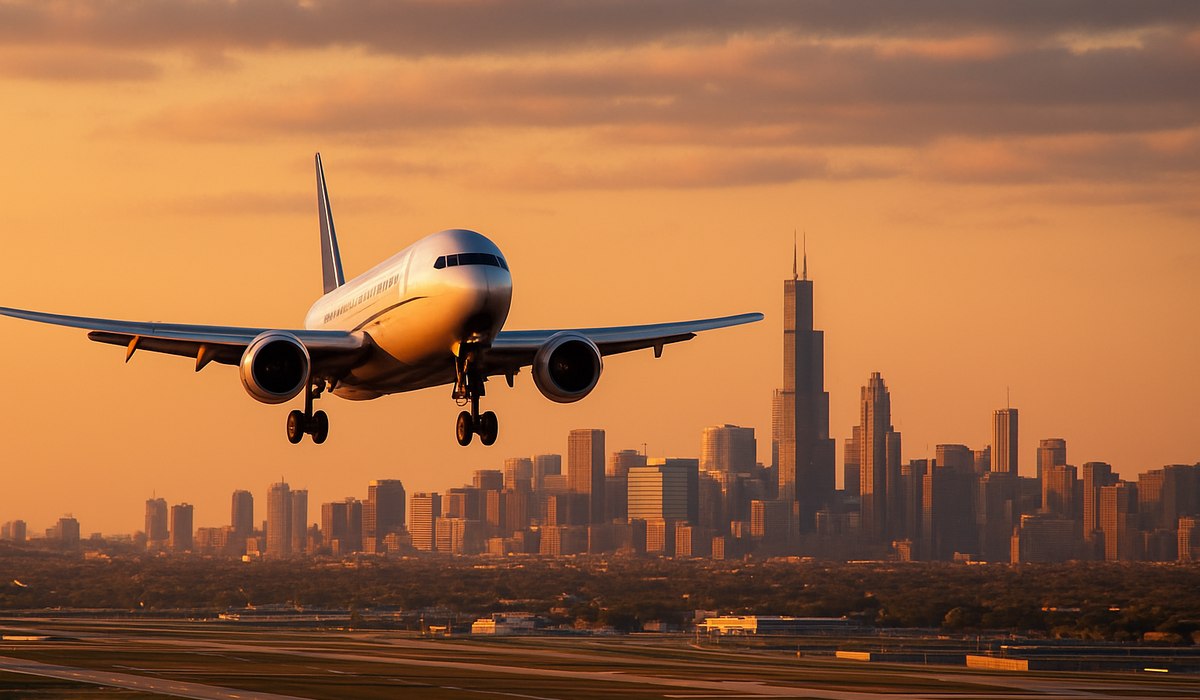
Image generated by AI
Rochester International Airport Pushes Back United Airlines Chicago Service Launch
Rochester International Airport (RST) in Minnesota has officially delayed the highly anticipated launch of United Airlines daily nonstop service to Chicago O'Hare, moving the start date from April 30, 2026 to June 1, 2026. The postponement marks a significant setback for regional connectivity efforts, particularly impacting Mayo Clinic visitors and southeastern Minnesota business travelers who have awaited this direct connection since United suspended Chicago service in 2020. Federal Aviation Administration capacity constraints at O'Hare emerge as the primary factor driving this month-long delay, as the nation's third-busiest airport faces heightened operational restrictions and traffic management protocols.
Rochester-Chicago Route Delayed Over a Month
The cancellation of April service creates a substantial gap in Rochester's airline network during the critical spring travel season. Originally positioned as a cornerstone project for regional airport development, the Chicago connection has been repeatedly highlighted in Rochester's business community as essential infrastructure for corporate travel and Mayo Clinic-related visitor transportation.
The route historically served as a vital link before pandemic-related service suspensions in 2020. At that time, United operated both Denver and Chicago flights from RST, providing competitive connectivity options for passengers seeking multi-city itineraries across the Midwest and beyond. Local airport authorities and chamber of commerce representatives had emphasized the April 2026 launch as critical timing for capturing spring business travel demand.
Instead, travelers departing Rochester through June will continue relying on indirect connections through Minneapolis-Saint Paul International Airport or alternative carriers. This extended service gap particularly affects Mayo Clinic patients and their families who depend on convenient medical tourism connections. The delay extends through the early summer period, positioning the June 1 launch for peak season operations rather than shoulder-season travel.
FAA Capacity Constraints at O'Hare Impact Scheduling
Chicago O'Hare International Airport operates under strict Federal Aviation Administration limitations designed to manage congestion and reduce ground delays during peak operational periods. These capacity constraints function similarly to slot restrictions at congested European hubs, effectively capping the total number of daily operations.
United Airlines, which maintains extensive operations at O'Hare as a primary hub, must prioritize existing routes and high-demand corridors under these constraints. Smaller regional market additions—including the Rochester service—face postponement while the FAA and airport authorities assess long-term capacity management strategies. The FAA website provides detailed information about these operational protocols and slot allocation procedures.
Spring 2026 has witnessed elevated disruption across United's network, with numerous delays and schedule adjustments at major hubs including Chicago, Denver, and Newark. Weather patterns, staffing considerations, and cumulative system stress have compounded the capacity situation. Rather than launch new service during uncertain operational conditions, United elected to defer Rochester expansion to June when network stability potentially improves.
This decision reflects broader industry patterns where carriers preserve reliability on trunk routes by deferring regional expansion during high-disruption periods. The Rochester postponement represents a calculated trade-off prioritizing system resilience over schedule growth.
Significance for Mayo Clinic Travelers and Regional Connectivity
Rochester's economy centers substantially on Mayo Clinic, one of the world's premier medical institutions attracting patients and families from across the globe. Convenient airport access directly influences healthcare tourism revenue and patient satisfaction metrics for the region.
The United Chicago service addresses a critical gap in Rochester's network connectivity. One-stop Chicago connections provide seamless access to United's extensive international network, including Caribbean, Central American, and European destinations. Prior to 2020, the Chicago route served as a primary gateway for international Mayo Clinic visitors.
Mayo Clinic staff, suppliers, and medical professionals conducting business travel also depend on reliable one-stop options through major hubs. The June launch delay extends the period when Rochester-based professionals must book connecting flights through Minneapolis or other distant hubs, reducing travel efficiency and airport competitiveness.
Local economic development officials have positioned the United service as instrumental for retaining and attracting medical tourism revenue. Each month of delay represents lost opportunity during peak travel seasons. However, the June timing does position the route for summer peak-season demand when Mayo Clinic patient volume increases substantially.
United Airlines Network Recovery Post-Pandemic
United Airlines has undertaken aggressive network restoration across regional markets since pandemic recovery began in 2021. The Rochester service represents part of this broader retrenchment strategy aimed at rebuilding pre-pandemic connectivity at secondary and tertiary markets.
United previously served Rochester with multiple daily frequencies before 2020, with both Chicago and Denver connections. The current single daily Chicago service marks a modest restoration compared to historical network density. As United expands its network across regional airports, capacity constraints at major hubs create scheduling conflicts.
The June 1 launch preserves the route entirely rather than canceling expansion plans. This approach differs from historical industry practice where carriers might permanently withdraw from smaller markets. United's commitment to eventual Rochester service reflects changing competitive dynamics where low-cost carriers and regional airlines have captured market share previously held by legacy carriers.
Monitoring FlightAware and United's official channel schedule updates provides real-time information about operational changes and confirmed departure times once service launches in June.
Traveler Action Checklist
Regional travelers affected by the Rochester service postponement should take the following steps:
-
Verify existing booking status: Contact United directly at 1-800-UNITED-1 or through your reservation email to confirm whether April reservations were automatically rebooked to June dates or require manual rebooking.
-
Evaluate Minneapolis alternatives: Assess whether driving to Minneapolis-Saint Paul International Airport (MSP) offers competitive timing and airfare for spring travel needs during the April-May service gap.
-
Set calendar reminders: Mark June 1, 2026 as the confirmed service launch date and establish calendar alerts one week prior to book early-bird fares once Chicago flights become available.
-
Register for price alerts: Subscribe to airline fare monitoring services to capture promotional pricing when the Chicago route launches, as carriers frequently offer introductory fares for new markets.
-
Explore connection options: Research alternative one-stop routing through Denver, Houston, or other United hubs if spring travel cannot be postponed to June.
-
Monitor FAA capacity updates: Check the FAA website periodically for announcements regarding O'Hare capacity adjustments that might impact June launch timing.
-
Document travel disruptions: If your flight was canceled or significantly altered, file claims through the U.S. Department of Transportation for potential passenger compensation under federal regulations.
Key Facts and Timeline
| Factor | Details |
|---|---|
| Original Launch Date | April 30, 2026 |
| Revised Launch Date | June 1, 2026 |
| Total Delay Period | 32 days |
| Route | Rochester (RST) to Chicago O'Hare (ORD) |
| Airline | United Airlines |
| Service Type | Daily nonstop |
| Primary Impact | Mayo Clinic patients, regional business travelers |
| Primary Cause | FAA capacity constraints at Chicago O'Hare |
| Last Service | 2020 (Denver and Chicago routes) |
What This Means for Travelers
The Rochester service postponement creates immediate implications for spring travelers but positions the route favorably for summer expansion. Passengers requiring Chicago connections before June 1 must book alternative flights through Minneapolis or competing carriers, potentially increasing travel time and expenses by two to three hours round-trip.
However, the June launch timing offers strategic advantages. Peak summer travel season generates higher demand for Midwest regional connectivity, positioning the new route for stronger early performance and likely promotional introductory fares. Nomad professionals, medical tourists, and business travelers should anticipate competitive fares and frequent promotions during the launch window.
Disclaimer
This article is for informational and educational purposes only. It does not constitute legal, financial, or professional advice. While we strive to provide accurate and up-to-date information, travel policies, regulations, and conditions change rapidly. Always verify information with official sources before making travel decisions. Nomad Lawyer makes no representations about the accuracy, reliability, completeness, or suitability of the information provided. Readers should consult qualified professionals for advice specific to their circumstances. The views expressed in this article are those of the author and do not necessarily reflect the views of Nomad Lawyer.
Kunal K Choudhary
Co-Founder & Contributor
A passionate traveller and tech enthusiast. Kunal contributes to the vision and growth of Nomad Lawyer, bringing fresh perspectives and driving the community forward.
Learn more about our team →