
Japan Travel Disruptions: ANA, JAL, Skymark Cancel Flights March 2026
Japan travel disruptions intensified on March 22, 2026, as ANA, JAL, and Skymark Airlines canceled nearly a dozen flights affecting Tokyo Haneda, Narita, Fukuoka, and regional routes to Hakodate and Yakushima.

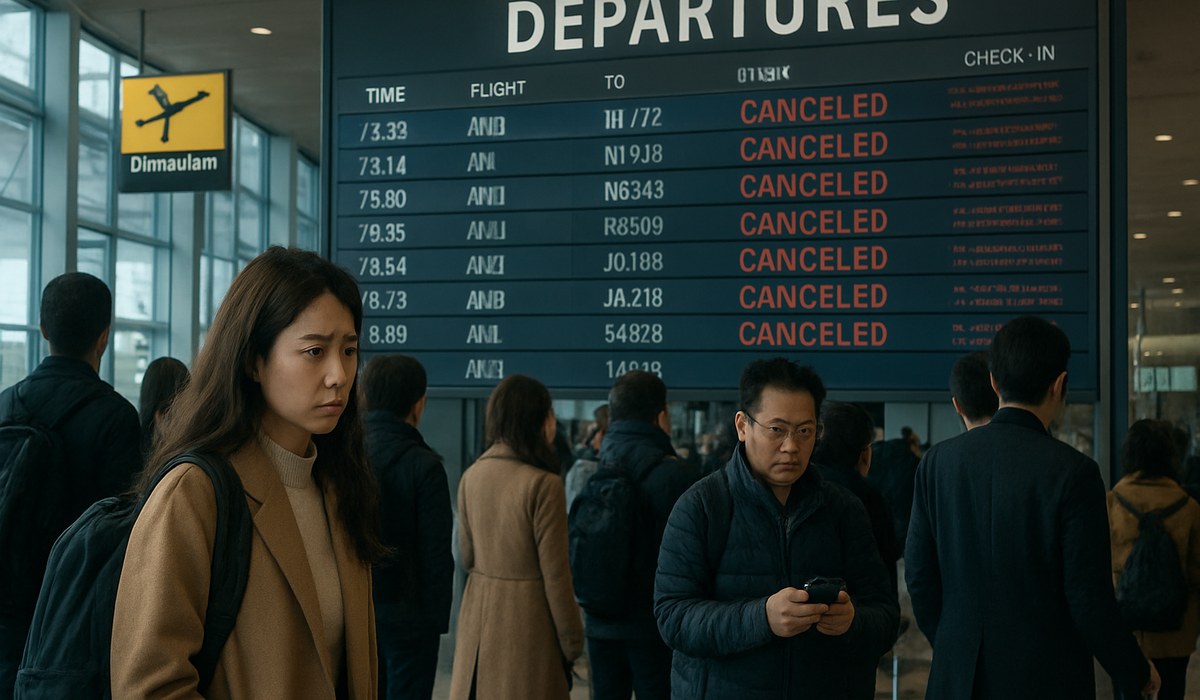
Image generated by AI
Major Airline Cancellations Disrupt Japan Travel Plans
Japan travel disruptions escalated on March 22, 2026, when All Nippon Airways (ANA), Japan Airlines (JAL), and Skymark Airlines simultaneously canceled nearly a dozen flights. The cancellations affected critical domestic routes connecting Tokyo Haneda, Narita International Airport, Fukuoka, Hakodate, and Yakushima. Thousands of passengers faced sudden itinerary changes, missed connections, and extended travel delays across Japan's busiest aviation hubs.
The cascade of cancellations raised urgent questions about operational capacity, crew availability, and weather conditions impacting Japan's aviation infrastructure during peak spring travel season.
What Caused the Japan Travel Disruptions
Multiple factors converged to trigger the widespread flight cancellations across major Japanese carriers. ANA, JAL, and Skymark Airlines attributed the disruptions to a combination of operational constraints and resource allocation challenges. Heavy air traffic at Tokyo Haneda (HND) and Narita (NRT) airports created bottlenecks that rippled across the network.
Weather patterns affecting regional destinations including Hakodate and Yakushima contributed to ground delays and eventual flight cancellations. Crew scheduling conflicts and aircraft maintenance requirements further strained capacity. [The FAA guidelines](https://www.faa.gov) on operational safety standards mirror international protocols that Japanese carriers must follow, potentially limiting their ability to absorb delays through overtime operations.
These systemic pressures forced cancellation decisions rather than prolonged holding patterns that would compound passenger frustration.
ANA and JAL Route Impacts During March 2026
All Nippon Airways and Japan Airlines bore the heaviest cancellation burden, with multiple routes affected across the domestic network. ANA's Tokyo Haneda hub experienced the most severe disruptions, with cancelations extending to secondary airports including Fukuoka (FUK), Kansai International Airport (KIX), and regional services.
JAL similarly canceled flights on competitive routes where both carriers operate parallel services. The Tokyo Haneda to Hakodate (CTS) corridor saw particular strain, affecting business travelers and leisure visitors connecting to Hokkaido. Yakushima-bound flights from major hubs faced upstream cancellations due to cascading delays.
Both carriers issued statements confirming they were working to accommodate affected passengers on alternative flights within 24-48 hours. Check IATA guidance for passenger rights regarding airline-initiated cancellations and compensation eligibility.
Skymark Airlines and Secondary Route Disruptions
Skymark Airlines, Japan's low-cost carrier competitor, canceled regional flights that serve leisure travelers and budget-conscious passengers. The airline operates point-to-point routes between Tokyo Haneda and secondary cities where ANA and JAL maintain less frequent service.
Yakushima, a UNESCO World Heritage island destination, saw Skymark flight cancellations that impacted eco-tourism bookings and nature-focused itineraries. The carrier's limited aircraft fleet means single cancellations create more profound ripple effects than equivalent disruptions at full-service carriers.
Skymark advised passengers to contact their booking agents or use the airline's online rebooking portal immediately. Affected travelers on leisure routes faced particular pressure since alternative transportation options (ferries, trains) require substantially longer travel times and separate bookings.
Real-Time Flight Status and Tracking During Disruptions
Passengers seeking real-time information about japan travel disruptions during March 2026 should consult FlightAware, which aggregates live departure/arrival data across all Japanese carriers. The platform displays current flight status, gate assignments, and estimated delays in minutes rather than categorical descriptions.
Tokyo Haneda's official airport website (haneda-airport.jp) provides runway status, terminal-specific information, and airline contact links for rebooking inquiries. Narita International Airport operates a separate real-time system covering its Terminal 1 and Terminal 2 facilities.
Download airline mobile apps for ANA, JAL, and Skymark to receive automatic push notifications about your specific flights. These apps often provide rebooking options before calling customer service, reducing wait times during high-volume disruption periods.
Passenger Rights and Compensation During Flight Cancellations
Travelers affected by Japan travel disruptions retain legal protections under Japanese aviation consumer regulations and international conventions. The U.S. Department of Transportation applies standards to flights involving U.S. carriers, while domestic Japanese operations follow Japan's Transport Ministry guidelines.
Airlines must offer rebooking on the next available flight at no additional charge. If the rebooking exceeds three hours from the original departure, carriers typically provide meal vouchers, hotel accommodation (if overnight), and ground transportation. Compensation eligibility depends on whether the cancellation resulted from airline operations (eligible) or force majeure conditions like severe weather (potentially exempt).
Document all communication with the airline, retain receipts for expenses, and file written claims within the specified period (typically 30-60 days). Request written confirmation of cancellation reasons, as "operational issues" claims require scrutiny.
Recovery Timeline and Schedule Restoration
ANA, JAL, and Skymark Airlines targeted full schedule restoration by March 24, 2026, pending no additional disruptions. The carriers prioritized rebooking passengers on flights within 24 hours before deploying spare aircraft to gradually catch up scheduled departures.
Tokyo Haneda's four parallel runways enabled gradual traffic recovery, though peak hour restrictions during 6-9 AM and 5-7 PM windows limited throughput. Regional airports including Fukuoka and Kansai operated at near-capacity during recovery phases, creating secondary delays.
Passengers booked on March 23-24 flights faced elevated wait times during rebooking calls, with some carriers implementing callback systems rather than holding patterns. Check your email and airline app frequently, as rebooking confirmations may arrive without phone contact.
Traveler Action Checklist
Follow these steps immediately if your Japan travel disruptions affected your flight:
-
Check your airline app or FlightAware within 30 minutes of receiving cancellation notice to assess alternative flights.
-
Contact your airline's customer service by phone, app, or online chat to initiate rebooking rather than waiting for callback queues.
-
Request written confirmation of your cancellation reason, new flight details, and any compensation eligibility from the airline.
-
Photograph and retain receipts for all expenses incurred (meals, hotels, ground transportation) to support compensation claims.
-
Verify your new itinerary includes sufficient connection time (minimum two hours domestic, three hours international) before confirming rebooking.
-
Document any missed connections or subsequent cancellations caused by the initial disruption for expanded compensation claims.
-
File your claim in writing within 30 days, addressing it to your airline's passenger services department or Japan's Transport Ministry if domestic.
-
Monitor travel insurance coverage if purchased, as some policies provide disruption reimbursement beyond airline compensation minimums.
What This Means for Your Japan Travel Plans
Japan travel disruptions in March 2026 signal seasonal capacity constraints as spring travel peaks converge with operational challenges. Passengers planning trips through March 30 should book morning flights (fewer cascading delays), avoid competitive routes between Tokyo Haneda and major hubs, and consider regional airports like Kobe or Osaka as alternatives.
Book flights with longer layovers than usual during disruption windows. A typical two-hour domestic connection margin becomes risky when ground delays compound throughout the network. Airlines typically absorb rebooking costs for passengers on tight connections disrupted by their cancellations, but avoiding the situation protects your schedule.
Consider purchasing comprehensive travel insurance that covers airline disruptions and rebooking costs. Standard policies exclude weather-related delays but often cover cancellations caused by airline operational decisions. Verify coverage before finalizing bookings.
FAQ: Japan Travel Disruptions March 2026
Will Japan travel disruptions continue beyond March 22? While ANA, JAL, and Skymark target full restoration by March 24, secondary effects including crew rest violations and aircraft repositioning may create isolated cancellations through March 26. Monitor real-time tracking systems rather than relying on published schedules during this window.
How much compensation am I entitled to for Japan travel disruptions? Compensation ranges from meal/hotel vouchers (for rebooking within three hours) to cash compensation of ¥15,000-¥35,000 depending on flight distance and whether the airline attributes the cancellation to operational versus force majeure causes. Document your cancellation reason to support claims.
What's the fastest way to rebook after flight cancellations to Hakodate or Yakushima? Use your airline's mobile app for immediate rebooking options, which displays available flights and seat availability in real-time. Phone rebooking queues typically exceed one hour during major disruptions. App rebooking completes within five minutes.
Should I purchase alternative transportation like trains or ferries to avoid further Japan travel disruptions? Train alternatives from Tokyo to Hakodate or ferries to Yakushima require 8-14 hours versus 90-minute flights. Reserve trains immediately if your flight cancels, as train capacity fills during disruption periods. Ferries operate daily but book months ahead for peak season.
Related Travel Guides
- Severe Travel Chaos Paralyzes Kelowna International Airport: Air Canada and WestJet Trigger 3 Flight Cancellations Amid 13 Regional Airport Disruptions: Latest Airline News
- Delta Air Lines Launches $1 Billion Cabin Overhaul: Privacy Doors and Premium Amenities Coming to 42 A330 Aircraft
- UAE Travel Chaos: Thousands Stranded as Emirates and FlyDubai Trigger 9 Flight Cancellations and 184 Severe Delays Across Dubai and Sharjah
Disclaimer
This article is for informational and educational purposes only. It does not constitute legal, financial, or professional advice. While we strive to provide accurate and up-to-date information, travel policies, regulations, and conditions change rapidly. Always verify information with official sources before making travel decisions. Nomad Lawyer makes no representations about the accuracy, reliability, completeness, or suitability of the information provided. Readers should consult qualified professionals for advice specific to their circumstances. The views expressed in this article are those of the author and do not necessarily reflect the views of Nomad Lawyer.
Raushan Kumar
Founder & Lead Developer
Full-stack developer with 11+ years of experience and a passionate traveller. Raushan built Nomad Lawyer from the ground up with a vision to create the best travel and law experience on the web.
Learn more about our team →