
Ulsan Whale Festival 2026: Jangsaengpo's 30th Anniversary Shift to Eco-Tourism and Marine Conservation
Ulsan celebrates the 30th anniversary of the Whale Festival from October 15-18, 2026, marking Jangsaengpo's transition from a commercial whaling hub to a sustainable eco-tourism destination.

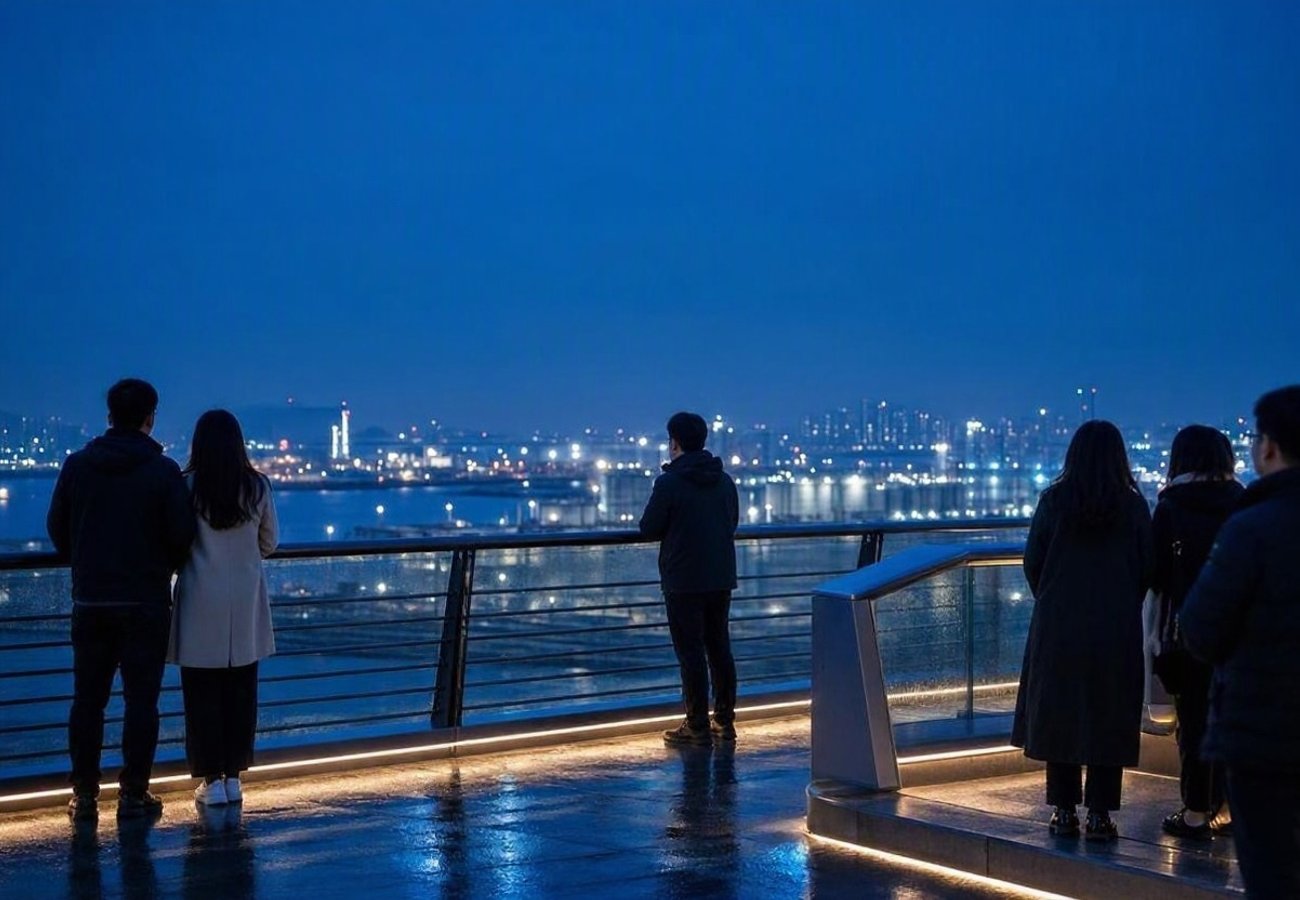
Image generated by AI
Imagine arriving at Taehwagang Station in mid-October, stepping onto a complimentary shuttle, and being transported from Ulsan's industrial heart to a waterfront district where the ghosts of a whaling past have been replaced by high-tech media art and marine conservation efforts. For travelers visiting South Korea this month, the transition is not just physical but historical, as the city celebrates a massive milestone in its maritime identity.
The 30th Ulsan Whale Festival: A Milestone in Marine Heritage
From 15 to 18 October 2026, the city of Ulsan hosts the 30th edition of the Ulsan Whale Festival. Centered in the Jangsaengpo Whale Culture Zone, this year's event, themed "A Whale’s Invitation: The 30th Birthday Party," marks a definitive pivot in how the region presents itself to the world. Once the primary hub for commercial whaling in South Korea, Jangsaengpo has spent the decades following the 1986 global whaling ban reinventing itself as a center for ecology and education.
The festival is designed to move beyond the "day-trip" model, implementing infrastructure that encourages overnight stays and deeper engagement with the local community. This shift is particularly important for Ulsan, a city often pigeonholed as a purely industrial manufacturing center. By leveraging the Korea Tourism Organization frameworks for sustainable growth, Ulsan is diversifying its economy through "day-to-night" tourism.
New Attractions and Infrastructure in Jangsaengpo
The 2026 anniversary coincides with the launch of several high-capacity attractions designed to blend adrenaline with aesthetics. The most notable additions focus on mobility and visual storytelling.
Key New Installations and Facilities
| Attraction | Type | Key Specifications / Features | Purpose |
|---|---|---|---|
| Whales Kart | Extreme Sport | 1.05 km track; max speeds of 40 km/h | Adventure tourism with views of lavender and hydrangea fields |
| Goraedeung-gil | Pedestrian Bridge | 135-meter elevated skywalk | Links Whale Square to Whales Fantasium; improves walkability |
| Jangsaengpo Light | Media Art | Large-scale projections on industrial oil tanks | Transforms industrial ruins into night-time cultural assets |
| Goraejam | Hospitality | Repurposed former naval quarters | Boutique heritage accommodation for overnight stays |
| The Wave | Cultural Hub | Modern visitor facility | Centralizes tourism services and cultural exhibits |
Your Rights and Logistics as a Visitor
When traveling to regional festivals in South Korea, passengers should be aware of their transit rights and the logistical support provided by the municipal government.
Transportation Rights and Access: For the duration of the festival (October 15-18), the Ulsan government is providing complimentary shuttle services. These buses operate every 30 minutes between Taehwagang Station and the festival venue. If you are booking travel via the Korea Railroad Corporation (KORAIL), ensure your arrival aligns with these shuttle windows to avoid expensive private taxi fares from the city center.
Consumer Protections for Bookings: Visitors booking the new Goraejam boutique accommodation or local hotels should review the cancellation policies. Under South Korean consumer protection laws, "fair trade" guidelines generally apply to hospitality bookings, but "festival-peak" pricing often comes with stricter non-refundable clauses. Always verify the refund window 14 days prior to arrival.
Rebooking and Itinerary Strategy
If you are planning a trip to the 30th Whale Festival, consider the following logistical strategies to maximize your experience:
- The "Day-to-Night" Loop: Start your visit at the Bangudae Petroglyphs to see prehistoric whale carvings, move to the Jangsaengpo Whale Museum for historical context, and end your evening at the Jangsaengpo Light media art show.
- Alternative Transit: While shuttles are free, they can become overcrowded during the 300-Voice Grand Chorus and the final day's street parade. Using Flightradar24 or local transit apps to monitor congestion around Ulsan's transport hubs can help you time your departure.
- Accommodation Trade-offs: If Goraejam is fully booked, look for hotels near Taehwagang Station. The 30-minute shuttle frequency makes this a viable alternative to staying within the Whale Culture Zone.
FAQ: Ulsan Whale Festival 2026
Is the festival free to attend? The general festival atmosphere, street parades, and shuttle buses are free. However, specific attractions like Whales Kart and certain museum exhibits may require paid tickets.
How do I get from the airport or train station to the venue? The most efficient method is the complimentary shuttle operating every 30 minutes from Taehwagang Station directly to the Jangsaengpo Whale Culture Zone.
Is the festival family-friendly? Yes. The 2026 program includes whale lantern crafting, augmented reality (AR) zones, and family adventure tours specifically designed for all ages.
Can I visit the whaling sites if I am concerned about animal ethics? Yes. The festival has transitioned from celebrating whaling to focusing on marine ecology, conservation, and the historical interpretation of the 1986 ban.
From industrial oil tanks to neon-lit skywalks, Ulsan is proving that a city's past doesn't have to be erased to build a sustainable future.
Related Travel Guides
Disclaimer
This article is for informational and educational purposes only. It does not constitute legal, financial, or professional advice. While we strive to provide accurate and up-to-date information, travel policies, regulations, and conditions change rapidly. Always verify information with official sources before making travel decisions. Nomad Lawyer makes no representations about the accuracy, reliability, completeness, or suitability of the information provided. Readers should consult qualified professionals for advice specific to their circumstances. The views expressed in this article are those of the author and do not necessarily reflect the views of Nomad Lawyer.
Naina Thakur
Contributor & Travel Specialist
Travel enthusiast and legal writer covering visa regulations, responsible tourism, and cultural journeys across global destinations.
Learn more about our team →