
Arizona, New Mexico, California Face Monsoon Surge After July 4th Heat Dome: US Tourism Faces Weather Chaos in 2026
Extreme heat shifts westward as monsoon season arrives across Arizona, New Mexico, California, and Texas. Dangerous weather threatens peak summer travel and tourism operations during Independence Day holiday period.

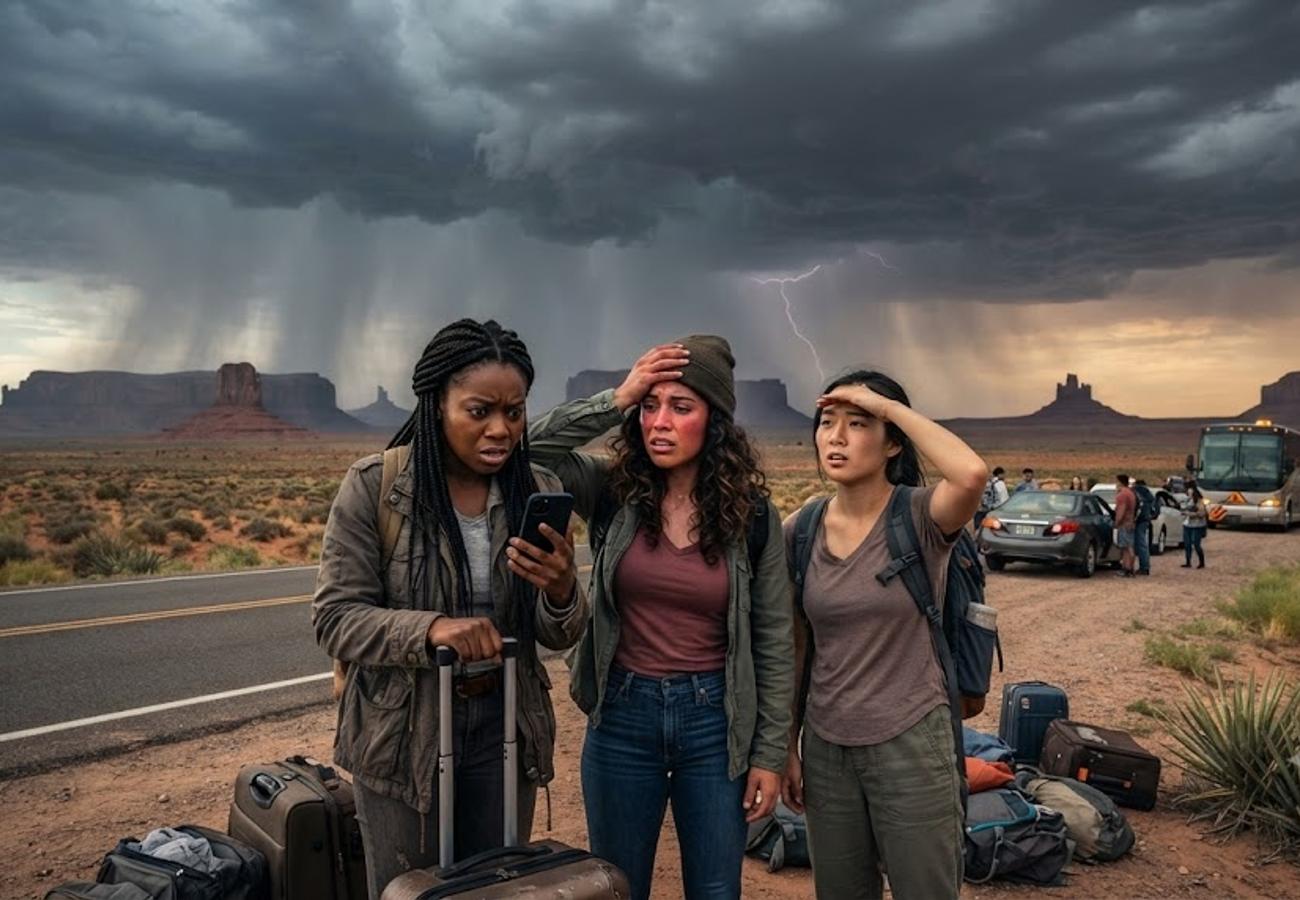
Image generated by AI
A massive atmospheric shift is reshaping summer travel across the American Southwest. Arizona, New Mexico, California, and Texas are bracing for a dramatic weather transition: extreme heat is migrating westward while the North American monsoon season surges forward, creating a perfect storm of dangerous conditions just as millions of travelers hit the roads for Fourth of July holiday journeys.
The timing couldn't be worse. Peak summer tourism is colliding head-on with unpredictable weather patterns that include scorching temperatures, powerful thunderstorms, hazardous wildfire smoke, and escalating flash flood risks. For travelers, tourism operators, and regional economies, this convergence is creating genuine logistical nightmares.
The Heat Dome Is Moving—And It's Heading West
The eastern United States has been gripped by a relentless heat dome throughout early July, but meteorologists confirm relief is coming—with a twist. That intense high-pressure system isn't disappearing; it's migrating westward to park itself directly over the Rocky Mountain region and western states.
Weather experts explain the mechanism: a massive upper-level high-pressure system traps hot air beneath it while suppressing cloud formation. This atmospheric feature expanded across the central United States before drifting eastward, creating dangerous heat and humidity across the eastern half of the country. Now the jet stream is forecast to dip across central and eastern states, allowing cooler air to return to the East. Simultaneously, another powerful ridge of high pressure will strengthen between the Rocky Mountains and Pacific Coast, anchoring extreme heat in place.
The result? Desert cities from Phoenix to Las Vegas are preparing for what could become the hottest weather event of 2026.
Eastern Relief Arrives, But Western Inferno Intensifies
The eastern United States will experience gradual temperature declines after the Fourth of July weekend. Increased cloud cover, successive rounds of thunderstorms, and shifting atmospheric pressure should provide measurable relief—though not without risks. Heavy rainfall across the Midwest and Northeast will create its own hazards: lightning strikes, flash flooding, and localized storm damage.
But ask any meteorologist about the western outlook, and the answer is grimmer. Temperatures are forecast to climb 10 to 20 degrees Fahrenheit above normal seasonal averages, with many interior western locations potentially reaching their highest readings of 2026.
Reddit: "Just booked a Southwest road trip through Arizona next week. Checking weather forecasts now and... yeah, maybe I'm canceling." — r/travel
Desert Cities Approach Record-Breaking Heat
Phoenix, Las Vegas, and Palm Springs may shatter earlier seasonal records as the stagnant high-pressure system intensifies overhead. Denver is expected to experience highs in the lower to middle 90s Fahrenheit before potentially approaching 100 degrees. Salt Lake City will face prolonged heat with daytime temperatures likely to remain at or above the century mark as the event strengthens.
These aren't abstract numbers. Extreme heat directly impacts:
- Power grid strain as air conditioning demand surges
- Transportation delays (asphalt melts, rail lines warp, vehicles overheat)
- Tourism cancellations and outdoor activity shutdowns
- Emergency service overload from heat-related medical incidents
Wildfire Smoke Threatens Air Quality Across Millions
Here's where the weather pattern becomes particularly sinister. As the heat dome strengthens, a temperature inversion is expected to develop—a meteorological condition where warm air layers trap cooler air below, preventing smoke from rising and dispersing naturally.
Instead of rising into the upper atmosphere, wildfire smoke will remain trapped closer to the ground, reducing visibility across vast regions and exposing millions to unhealthy airborne pollution. The western United States has already experienced an exceptionally active wildfire season, with more than 400,000 acres burned in just one week, much of that in Utah.
The combination is devastating for respiratory health. Children, older adults, and individuals with asthma or chronic lung disease face compounded risks when extreme heat and smoke exposure occur simultaneously.
Monsoon Arrival Adds Unpredictability to the Chaos
The North American monsoon season—typically bringing dramatic thunderstorms and moisture to the southwestern U.S.—is arriving during this heat crisis. The seasonal shift is expected to intensify through mid-July, delivering powerful storms alongside continued extreme temperatures.
While monsoons can break heat patterns, they bring their own hazards. Flash flooding in desert regions presents acute danger, particularly in areas with limited drainage infrastructure. Travelers should monitor National Weather Service alerts closely, especially before venturing into canyon lands or arroyos where flash flood risks spike dramatically.
Tourism Takes the Hit During Peak Season
The July Fourth holiday period represents one of the busiest travel windows in America. Road trips, national park visits, and outdoor tourism activities are hemorrhaging cancellations as travelers reassess plans.
Hotels and tourism operators across Arizona, New Mexico, and California are experiencing increased cancellation requests. Outdoor attractions—hiking, camping, water parks—face operational constraints due to heat and air quality advisories. Travel insurance inquiries have surged as travelers seek protection against weather-related disruptions.
The economic impact is real. Regional tourism economies dependent on summer recreation are watching July bookings evaporate, compounding already-challenging post-pandemic recovery efforts.
What Travelers Should Do Right Now
If you're planning southwestern travel through mid-July, take these precautions seriously:
Check real-time weather updates from the National Weather Service before departing. Monitor air quality indexes (available through AirNow.gov) for your destination. Adjust activity schedules to early morning hours when temperatures and pollution levels are lower. Pack extra water, electrolyte solutions, and sun protection—this isn't hyperbole. Consider travel insurance that covers weather-related cancellations.
For road trippers: travel during cooler nighttime hours if possible, keep your vehicle air conditioning maintained, and never leave passengers—especially children or pets—in parked cars.
The Bigger Climate Picture
This extreme weather convergence reflects larger atmospheric patterns intensified by climate change. Heat domes are becoming more frequent, more intense, and longer-lasting. Recent climate research demonstrates that compound weather hazards—extreme heat combined with wildfire smoke, monsoon flooding, and air quality crises—are becoming the norm rather than the exception in North American summers.
The Fourth of July heat dome followed by monsoon-driven instability represents a preview of what southwestern summers increasingly look like. Tourism infrastructure, emergency services, and public health systems are all being stress-tested simultaneously.
Looking Ahead: Mid-July Outlook Remains Volatile
Meteorologists expect the most intense heat phase to peak around mid-July before gradual moderation. The monsoon season will continue through August, meaning multiple rounds of dramatic weather remain likely. Travelers planning August southwestern trips should also anticipate significant weather unpredictability.
The bottom line: This year, extreme weather is actively working against American tourism, particularly in the Southwest. Peak summer travel season is colliding with compounding atmospheric hazards that create genuine safety and operational challenges. Plan meticulously, monitor conditions constantly, and don't hesitate to postpone non-essential travel.
The Southwest's summer heat isn't just uncomfortable anymore—it's a serious travel risk factor demanding respect.
Related Travel Guides
Disclaimer
This article is for informational and educational purposes only. It does not constitute legal, financial, or professional advice. While we strive to provide accurate and up-to-date information, travel policies, regulations, and conditions change rapidly. Always verify information with official sources before making travel decisions. Nomad Lawyer makes no representations about the accuracy, reliability, completeness, or suitability of the information provided. Readers should consult qualified professionals for advice specific to their circumstances. The views expressed in this article are those of the author and do not necessarily reflect the views of Nomad Lawyer.
Raushan Kumar
Founder & Lead Developer
Full-stack developer with 11+ years of experience and a passionate traveller. Raushan built Nomad Lawyer from the ground up with a vision to create the best travel and law experience on the web.
Learn more about our team →