UK Tourism Strengthens Economy as Travel Industry Generates £88.5 Billion and Creates 1.4 Million Jobs Nationwide

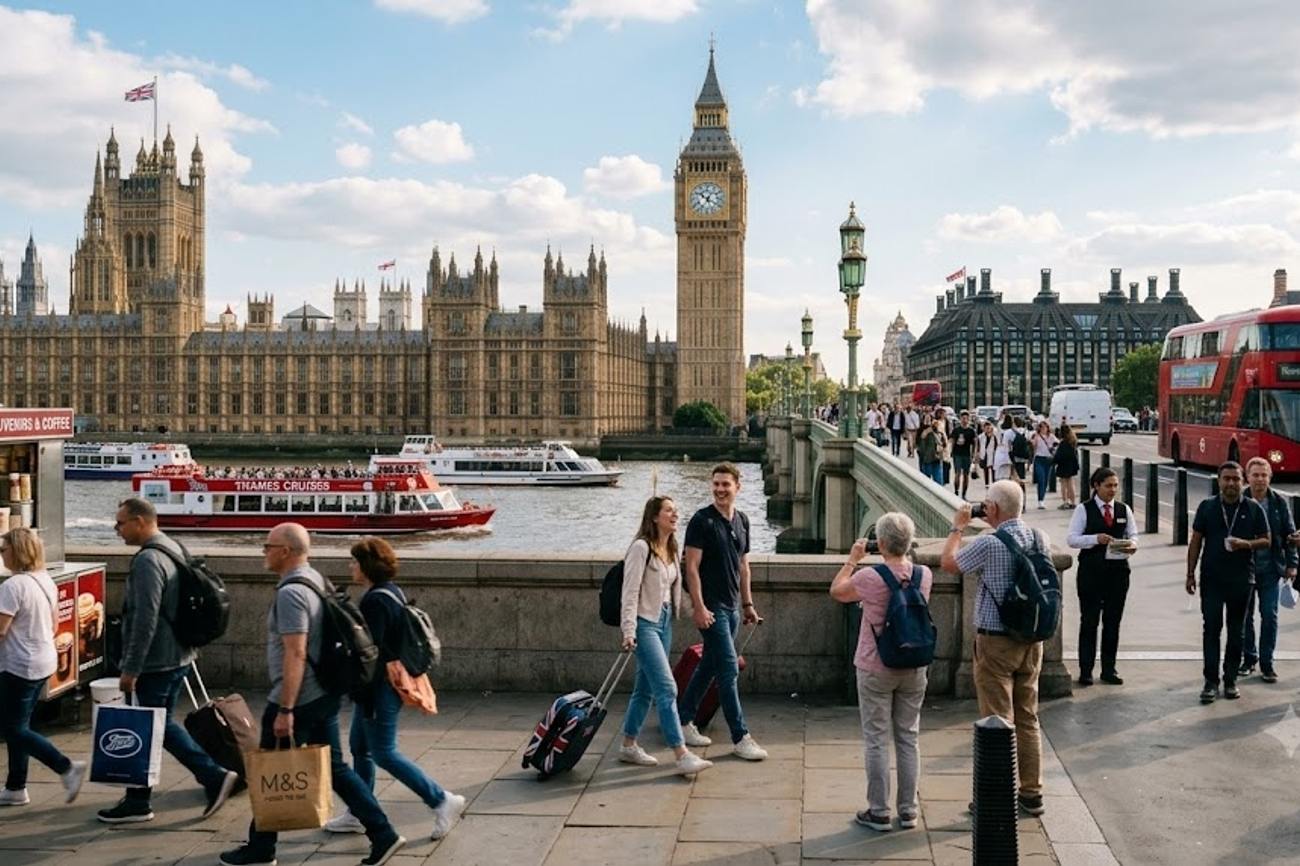
Image generated by AI
[London, October 2023] — The United Kingdom's combined inbound and outbound travel sector now generates £88.5 billion annually for the national economy, marking a significant increase from the previous valuation of £80 billion.
This economic surge supports 1.4 million jobs across England, Scotland, Wales, and Northern Ireland. The latest industry data confirms that international travel serves as a primary driver of regional development, fueling growth not only in major metropolitan hubs but across diverse local communities through a symbiotic relationship between residents traveling abroad and foreign tourists visiting British shores.
The Catalyst for Economic Growth
The jump from £80 billion to £88.5 billion is attributed to the interconnected nature of the travel ecosystem. Industry analysis reveals that inbound and outbound tourism do not operate in isolation; instead, they share critical infrastructure. High demand for outbound travel helps maintain flight routes and airport connectivity, which in turn lowers the barrier for international visitors to enter the UK.
This "ecosystem effect" benefits a wide array of secondary industries. The financial impact extends beyond hotels and airlines to include:
- Regional transport networks and port facilities.
- Retail sectors and food services.
- Local cultural attractions and independent tour operators.
- Hospitality and accommodation providers.
The UK Government and regional authorities are viewing these figures as evidence that travel policies directly influence broader economic resilience and community building.
Regional Impact and Market Distribution
While London remains a primary gateway, the data emphasizes a shift toward regional economic empowerment. The North West of England serves as a primary case study for this decentralization of tourism wealth.
The following table breaks down the specific economic contributions within the North West region:
| Metric | Outbound Travel | Inbound Tourism | Total Regional Impact |
|---|---|---|---|
| Economic Value | £6.4 billion | £3.5 billion | £9.9 billion |
| Jobs Supported | 98,000 | 57,000 | 155,000 |
This distribution proves that the travel sector acts as a vital employment generator in areas far removed from the capital. By leveraging VisitBritain initiatives and enhanced regional connectivity, the UK is successfully distributing global travel spend into local economies.
Practical Traveler Advisory and Strategic Insights
For the average passenger or tourist, these macroeconomic figures translate into tangible changes in service availability and infrastructure investment.
For the Outbound Traveler: The high volume of outbound spending (£6.4 billion in the North West alone) provides the financial justification for airlines to maintain and expand routes from regional airports. This means more direct flight options, more competitive pricing due to high demand, and better connectivity to international destinations without the need to transit through London.
For the Inbound Visitor: Increased inbound investment is leading to better-developed tourism infrastructure outside of traditional "honey-pot" sites. Travelers can expect improved accessibility to regional attractions and a wider variety of accommodation options in Northern England, Scotland, and Wales as local businesses capitalize on the £88.5 billion industry momentum.
For the Local Worker: With 1.4 million jobs tied to this sector, the growth suggests increased stability and opportunity in the hospitality and aviation workforce. The shift toward regional growth means more high-quality employment opportunities are appearing in community-based tourism rather than just corporate hubs.
The Roadmap for Future Expansion
The industry is now pivoting toward long-term sustainability and competitiveness. To maintain this trajectory, stakeholders are calling for policy frameworks that treat tourism as a strategic economic asset rather than a luxury service.
The UK tourism industry has experienced significant growth, generating £88.5 billion and creating 1.4 million jobs nationwide, according to a report by the VisitBritain tourism board. This surge in tourism has had a positive impact on the economy, with international visitors flocking to popular destinations such as London, Edinburgh, and Manchester. The increase in tourism has also led to an expansion of passenger logistics, with airports such as Heathrow and Gatwick experiencing a rise in passenger numbers.
Key focus areas for the next phase of growth include:
- Infrastructure Upgrades: Improving the efficiency of ports and airports to handle increased capacity.
- Global Competitiveness: Implementing policies that make the UK a more attractive and accessible destination compared to other global rivals.
- Digital Integration: Enhancing the ease of travel for international visitors through streamlined entry and payment systems.
- Diversification: Encouraging international visitors to explore non-traditional tourism centers to further spread the economic benefits.
The travel sector continues to emphasize that the UK's position as a global destination depends on its ability to keep travel seamless. Any friction in the travel process—from visa hurdles to airport congestion—directly threatens the £88.5 billion contribution.
FAQ: UK Tourism Economy 2023
How many jobs does the UK travel industry support? The sector currently supports 1.4 million jobs across the United Kingdom, spanning aviation, hospitality, retail, and local tour operations.
What is the total annual value of UK inbound and outbound travel? The combined economic contribution has risen to £88.5 billion per year, up from a previous estimate of £80 billion.
Does tourism only benefit major cities like London? No. The data shows significant regional benefits; for example, the North West region generates £9.9 billion through a combination of inbound and outbound travel.
How does outbound travel help international tourists visiting the UK? Outbound travel sustains the flight routes and airport infrastructure that international visitors rely on to enter the country, creating a mutually beneficial loop.
The UK's travel economy is no longer just a luxury sector—it is a regional employment engine.
Related Travel Guides
This article is for informational purposes. Flight routes, passenger regulations, visa rules, and transit advisories are subject to change by airlines and aviation authorities. Readers are advised to verify schedules and travel documentation with relevant carriers and border agencies before departure.
Related Stories

New Zealand Visa Changes Delayed to Nov 23 2026 Amid South Island Weather Warnings

Spain Tourism Boom 2026: US Spending Surges 13% as Madrid and Barcelona Anchor Visitor Economy