
Passenger Duty Increase Hits UK Flyers from April 2026
UK's Air Passenger Duty rises up to £16 for economy tickets and more for premium cabins from April 2026, forcing travelers to rethink departure strategies and routing.

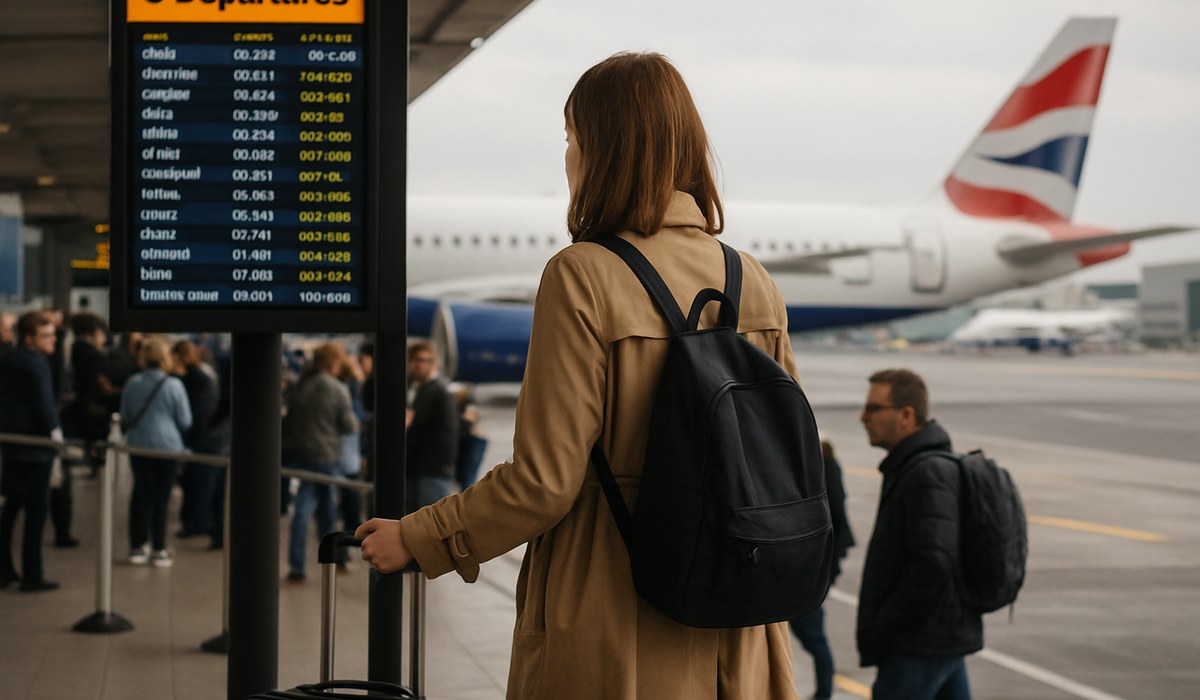
Image generated by AI
Quick Summary • UK Air Passenger Duty rises from April 1, 2026, adding up to £16 per economy ticket depending on distance • Premium cabin passengers face increases exceeding £200 on ultra-long-haul routes • Budget travelers can minimize costs by departing from non-UK airports or booking connecting flights strategically • The hike represents the steepest APD increase in over a decade, affecting millions of annual departures
Your flight from London just got more expensive—and not because of fuel costs or airline pricing, but because the UK government is raising Air Passenger Duty by as much as 50% for some routes starting April 2026. From the first day of next month, every passenger departing a British airport will pay more in mandatory government taxes, with the exact amount determined by cabin class and destination distance.
The revised duty structure affects all commercial flights leaving UK territory. Economy travelers heading to European destinations will see charges jump from £13 to £16 per person. Long-haul economy passengers face even steeper rises, with ultra-long routes now carrying a £100 base charge compared to the previous £84. For business and first-class travelers, the pain intensifies: premium cabin passengers on flights exceeding 5,500 miles will now pay £616 per ticket, up from £512 under the previous framework.
This represents the most substantial passenger duty increase the UK has implemented since 2014. HM Treasury projects the new rates will generate an additional £1.3 billion in annual revenue, funds earmarked for transport infrastructure improvements across England, Scotland, Wales, and Northern Ireland.
What Is Air Passenger Duty and How Much Is It Increasing?
Air Passenger Duty functions as a departure tax levied on every passenger flying from a UK airport. Unlike airline-imposed fees, APD goes directly to government coffers and appears as a separate line item on your ticket receipt.
The tax operates across four distance bands. Band A covers domestic and European destinations up to 2,000 miles from London. Band B includes mid-range international flights between 2,001 and 5,500 miles. Band C applies to ultra-long-haul routes exceeding 5,500 miles. Band D previously existed but was eliminated in 2015.
Starting April 2026, Band A economy rates climb from £13 to £16—a 23% jump. Band B economy rises from £88 to £100, marking a 14% increase. The most dramatic shift hits Band C, where premium economy, business, and first-class passengers collectively face the steepest percentage increases the government has imposed in modern aviation taxation history.
The International Air Transport Association has criticized the move, arguing that UK departure taxation already ranks among the world's highest. IATA's regional director for Europe noted that similar taxes in competitor markets like France and Germany remain substantially lower, potentially giving continental hubs a pricing advantage over Heathrow, Gatwick, and Manchester.
Children under two traveling on an adult's lap remain exempt. Passengers connecting through UK airports to onward international destinations also avoid the charge if they don't pass through immigration—a loophole that becomes strategically important for route planning.
Who Pays More: Breaking Down APD by Cabin Class and Distance
The cabin class you choose determines how much you'll pay. Economy passengers face the lowest rates across all distance bands, but premium cabin travelers bear a disproportionate burden under the new structure.
For a London-to-New York flight, an economy passenger now pays £88 in APD. That same route costs £174 in premium economy, £260 in business, and £260 in first class. A family of four flying economy to the East Coast sees their tax bill hit £352 before they've purchased a single checked bag.
Ultra-long-haul destinations amplify these figures dramatically. London to Singapore in economy now carries a £100 duty charge. Move to business class, and that figure balloons to £616 per person. A couple booking business class tickets to Australia will pay £1,232 in departure tax alone—more than many travelers spend on an entire European holiday.
Domestic UK flights face minimal increases, rising just £2 to £15 per passenger in economy and £4 to £30 in higher cabins. The government maintains these lower rates to encourage domestic connectivity, though critics argue even these modest fees disadvantage UK aviation compared to countries with no domestic flight taxes.
Airlines cannot absorb these costs. Government regulations require carriers to collect the full duty amount and remit it directly to HM Revenue & Customs. This means the April increases will appear immediately in ticket prices, with no ability for airlines to discount or waive the charges even during promotional periods.
Budget carriers have voiced particular concern. Ryanair and easyJet both issue statements noting that the new duty rates can exceed their baseline profit margin on short-haul flights, forcing them to reduce frequencies or abandon marginal routes altogether. Industry analysts predict the increases may trigger service cuts to secondary UK airports where demand proves insufficient to offset the higher per-passenger tax burden.
How This Affects Your 2026 Travel Budget
If you've been postponing a major international trip, the April timing matters. Booking flights for departure before April 1 locks in the current lower rates, while tickets for travel on or after that date trigger the new charges regardless of purchase date.
For frequent travelers, annual costs compound quickly. A professional making six transatlantic business trips yearly will pay an additional £72 in economy or £888 in business class compared to 2025 rates. Over a decade, that business traveler faces £8,880 in cumulative extra taxation beyond normal ticket price inflation.
The increase arrives as airlines weighing fuel surcharges consider adding new fees to offset rising operational costs. Travelers already confronting higher airfares due to fuel market volatility now face mandatory government charges on top of carrier-imposed surcharges, creating a two-front assault on travel budgets.
Corporate travel managers report they're already adjusting policies. Several multinational firms with London offices have instructed employees to consider departures from Amsterdam, Paris, or Brussels when feasible, avoiding UK airports entirely for international trips. This strategy works best for personnel based in Southeast England with reasonable Eurostar or short-hop flight access to continental hubs.
Leisure travelers face similar calculations. A UK family planning a summer holiday to Florida must now factor an additional £64 in departure taxes for four economy tickets beyond the previous year's costs. Multiply that across millions of annual vacation travelers, and the collective impact reaches hundreds of millions of pounds shifting from consumer spending on destinations to government revenue.
Some travelers are responding by planning long weekend getaways to closer European destinations where the lower Band A rates apply, rather than committing to expensive long-haul trips with higher tax exposure. This behavioral shift could reshape UK outbound travel patterns over time, favoring short-haul European tourism over intercontinental travel.
Travel insurance costs remain unaffected by APD changes, but the higher baseline ticket prices do mean travelers should ensure coverage limits reflect the total trip investment including all taxes and fees.
Strategies to Avoid or Reduce Air Passenger Duty
Savvy travelers have several options to minimize their exposure to the April passenger duty increase. The most direct approach involves departing from airports outside UK jurisdiction.
Dublin Airport sits just 90 minutes by air from London and imposes no equivalent departure tax for connecting passengers. Irish aviation authorities levy a flat €3 Tourism Development Fee regardless of destination, a fraction of UK rates. British travelers willing to position to Dublin via a short hop or ferry crossing can save £85-£600 per ticket depending on cabin and destination.
Amsterdam Schiphol and Paris Charles de Gaulle offer similar opportunities. Both airports serve as major European hubs with extensive long-haul networks. While France and the Netherlands impose their own aviation taxes, rates remain substantially lower than post-April UK charges for most routes. The Eurostar rail connection makes Paris particularly viable for London-area travelers seeking to avoid UK airport departure.
US Department of Transportation passenger rights regulations don't cover UK departure taxes, but American travelers connecting through London can often avoid APD entirely by ensuring their itinerary shows a same-day connection without passing through UK immigration. This requires careful booking—your ticket must be issued as a single through-fare with baggage checked to the final destination.
Downgrading cabin class delivers immediate savings. That £616 business class charge on a long-haul flight drops to £100 in economy. Travelers who value the comfort of premium cabins might consider booking economy for the UK departure leg, then using miles or paid upgrades for the return journey from a destination without equivalent taxation.
Corporate travel programs are increasingly structuring itineraries to minimize UK departures. Business travel budgets are being scrutinized more intensely than ever, prompting travel managers to route Asian or American trips through continental hubs where possible. Employees may fly London to Amsterdam in economy, then connect to Singapore or San Francisco from Schiphol, cutting APD exposure from £616 to zero on the long segment.
Timing also matters for flexible travelers. Booking departures before April 1 for travel throughout 2026 locks in current rates if airlines allow advance booking beyond the typical 330-day window. Some carriers have extended booking periods specifically to help passengers avoid the April increase.
Loyalty program redemptions don't escape APD—award tickets still require paying all government-imposed taxes in cash. However, travelers burning miles might prefer using them for UK departures where the cash ticket price plus high APD makes redemption more valuable, saving cash awards for destinations with lower tax burdens.
FAQ: UK Air Passenger Duty Increase 2026
When exactly does the passenger duty increase take effect?
The new rates apply to all flights departing UK airports on or after April 1, 2026. Your travel date determines the applicable rate, not your booking date. A ticket purchased in March for April 15 travel will incur the higher charges.
Can I get a refund if I cancel my April flight and rebook before April 1?
Airlines apply the duty rate in effect on your departure date. Canceling and rebooking for March 31 or earlier will result in lower APD charges, but you'll need to pay any fare difference and cancellation fees the airline imposes. Calculate whether the APD savings exceed these costs.
Do children pay the full increased rate?
Children aged two and older pay the same duty as adults based on cabin class and distance. Infants under two traveling on a parent's lap remain exempt. Families see costs multiply quickly—four passengers mean four full duty charges.
Does APD apply to private jet passengers?
Yes. Charter and private aircraft passengers pay APD based on the aircraft's weight and passenger count. Small aircraft under 5.7 tons with fewer than 19 seats face lower rates, but the April increases affect private aviation too.
What happens if I have a UK connection but my ticket originates elsewhere?
If you enter the UK as your final destination, then depart on a separate ticket, you'll pay full APD. However, if your itinerary shows a genuine connection on a through-ticket without immigration clearance, APD doesn't apply to that transit. Your ticket must be booked as a single journey.
Related Articles:
Disclaimer
This article is for informational and educational purposes only. It does not constitute legal, financial, or professional advice. While we strive to provide accurate and up-to-date information, travel policies, regulations, and conditions change rapidly. Always verify information with official sources before making travel decisions. Nomad Lawyer makes no representations about the accuracy, reliability, completeness, or suitability of the information provided. Readers should consult qualified professionals for advice specific to their circumstances. The views expressed in this article are those of the author and do not necessarily reflect the views of Nomad Lawyer.
Raushan Kumar
Founder & Lead Developer
Full-stack developer with 11+ years of experience and a passionate traveller. Raushan built Nomad Lawyer from the ground up with a vision to create the best travel and law experience on the web.
Learn more about our team →