
Hong Kong vs Singapore: Which Is Better for a Long Weekend in 2026?
Hong Kong and Singapore both offer world-class long weekend escapes in 2026, but choosing between them depends on whether you want urban intensity or effortless ease. Here's how to decide.

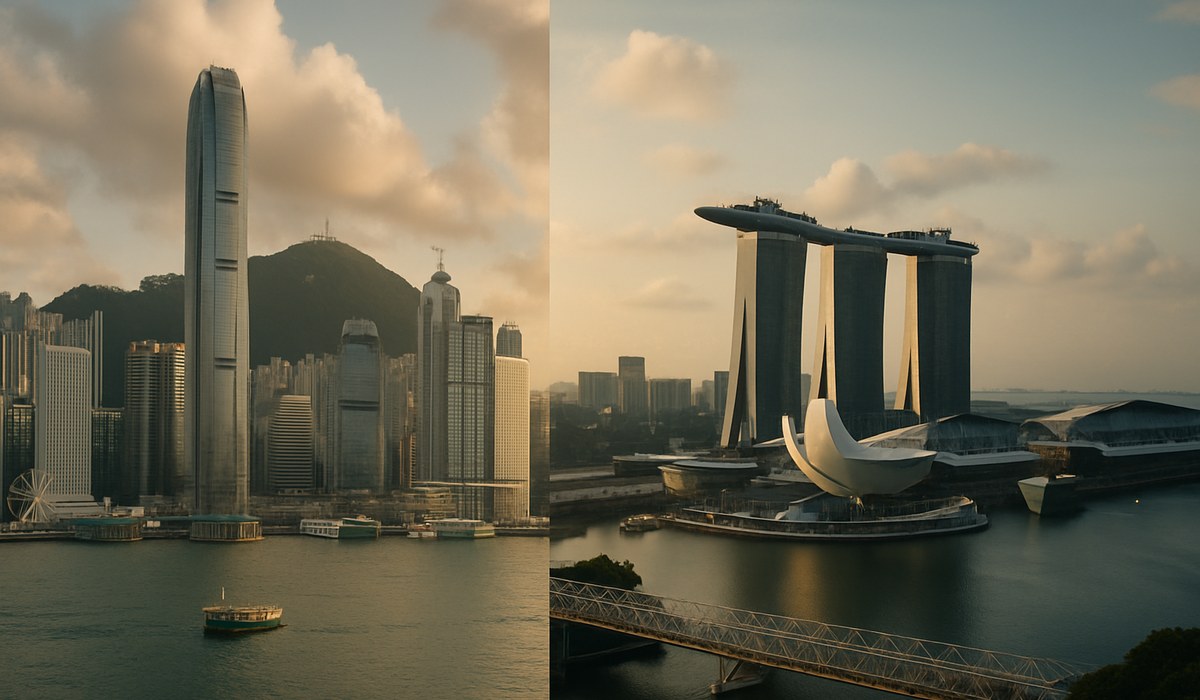
Image generated by AI
Hong Kong and Singapore remain two of Asia's premier long weekend destinations in 2026, each offering travelers compact geography, exceptional transport infrastructure, and rich urban experiences condensed into three or four days. Yet these two Southeast Asian powerhouses deliver fundamentally different experiences: Hong Kong pulses with vertical intensity and layered history, while Singapore presents meticulously planned comfort and multicultural ease. For travelers choosing between these aviation hubs this spring, the decision hinges on personal travel style and what defines the ideal city break.
Hong Kong Delivers Raw Urban Energy for Adventure Seekers
Hong Kong International Airport (HKG) serves as the gateway to one of the world's most dramatic cityscapes, where glass towers climb steep mountains and neon-lit streets buzz until dawn. The Airport Express train reaches Central Station in 24 minutes, with fares averaging HK$115 one-way in 2026. The stored-value Octopus card system, available at dedicated airport counters, works across the MTR metro network, double-decker trams, Star Ferry harbor crossings, and hillside escalators that define the city's character. First-time visitors arriving in March 2026 encounter a city that feels simultaneously modern and historic, with colonial-era architecture standing beside contemporary skyscrapers. The sensory intensity—crowded markets in Mong Kok, harbor views from Victoria Peak, and late-night dim sum in Sheung Wan—appeals to travelers who embrace urban complexity over smooth predictability. Hong Kong's public transport network handles millions daily but retains distinctive character through aging minibuses and heritage tram routes that Singapore's uniform system cannot match.
Singapore Changi Airport Sets the Standard for Seamless Arrivals
Singapore Changi Airport (SIN) consistently ranks as the world's best airport in 2026 passenger surveys, making late arrivals and early departures notably less stressful than comparable Asian hubs. Direct MRT connections from both Terminal 2 and Terminal 3 reach downtown Singapore in 35 minutes for approximately S$2.50, and international contactless bank cards work directly on trains and buses without requiring separate transit cards. This infrastructure simplicity extends throughout the city-state, where English signage dominates, air-conditioned MRT stations connect seamlessly to shopping malls, and street-level navigation apps function reliably. Visitors booking Singapore weekend itineraries appreciate the measured pace—waterfront walks along Marina Bay, botanical gardens recognized by UNESCO, and diverse neighborhoods like Little India and Kampong Glam that showcase multicultural heritage. The city's cleanliness, safety standards, and logical urban planning particularly benefit first-time travelers to Southeast Asia who value efficiency over atmospheric chaos.
Transport Systems Reflect Each City's Urban Philosophy
Daily mobility in both cities proves affordable and reliable, yet the experience differs substantially. Hong Kong's MTR metro serves 93 stations across Hong Kong Island, Kowloon, and the New Territories, supplemented by trams running along the northern shore since 1904 and the iconic Star Ferry connecting Central and Tsim Sha Tsui across Victoria Harbour. The system handles crowds efficiently but involves stairs, transfers, and occasional congestion that requires patience during peak hours. Singapore's MRT network spans six lines covering 141 stations in 2026, with fully air-conditioned trains, platform screen doors, and accessibility features that exceed Hong Kong's older infrastructure. Tourist passes offering unlimited rides for one to three days (priced S$10–S$20) work well for visitors planning multiple daily trips, though contactless payment with international cards eliminates the need for physical tickets. The public transport comparison shows Singapore's network delivers superior comfort for short stays, while Hong Kong's varied modes—including the Peak Tram funicular—provide more memorable transit experiences.
Accommodation and Daily Costs Shape Weekend Budgets
Neither destination ranks as budget-friendly in March 2026, with central hotel rooms averaging US$180–280 per night during non-peak periods. Hong Kong accommodations typically offer smaller rooms reflecting constrained urban space, with 18–22 square meter rooms common in mid-range hotels near Central or Causeway Bay. Singapore properties in equivalent areas like Orchard Road or Marina Bay average 24–28 square meters at similar or slightly higher rates, often in newer buildings with modern amenities. Early booking discounts and weekday rates reduce costs in both cities. Daily food spending varies dramatically by choice: hawker centers in Singapore's Maxwell Road or Hong Kong's Temple Street serve excellent meals for US$5–8, while upscale dining in both cities reaches international luxury prices. Singapore's alcohol taxes make drinking notably more expensive—a beer in a casual bar costs S$12–15 versus HK$50–60 in Hong Kong (approximately US$9–11 versus US$6.50–7.80). Public transport fares remain affordable relative to accommodation, with typical daily spend around US$8–12 for visitors using metro and bus networks frequently.
Weather Patterns Favor Different Travel Windows
Climate significantly impacts long weekend planning in 2026. Singapore's equatorial location delivers consistent heat and humidity year-round, with daytime temperatures of 30–33°C (86–91°F) and frequent brief downpours any month. The city experiences occasional transboundary haze from regional agricultural fires, though air quality typically remains acceptable for tourism. Hong Kong exhibits greater seasonal variation: March through April offers pleasant conditions with 18–24°C (64–75°F) and lower humidity, making outdoor activities comfortable. May through September brings intense heat, humidity exceeding 80%, and typhoon risk that can disrupt flights and attractions. October and November provide another favorable window with cooling temperatures and less rainfall. Travelers prioritizing outdoor exploration—Victoria Peak hikes, Lantau Island beaches, or harbor promenades—find Hong Kong's seasonal sweet spots more rewarding, while Singapore's climate-controlled infrastructure (malls, MRT stations, covered walkways) mitigates weather considerations year-round.
Cultural Experiences and Neighborhood Character Differ Fundamentally
Both cities showcase Asian cultural diversity, yet the presentation differs. Hong Kong layers British colonial history over Cantonese traditions, visible in bilingual street signs, preserved heritage sites like Man Mo Temple, and neighborhoods where traditional wet markets operate beneath modern residential towers. The city's vertical geography creates distinct districts: Central's corporate towers, Sheung Wan's antique shops, Sham Shui Po's electronics markets, and outlying islands accessible by ferry. Walking between areas reveals economic contrasts and architectural layers that reflect Hong Kong's complex identity. Singapore's government-planned ethnic enclaves—Chinatown, Little India, Arab Street—feel more consciously preserved and tourist-friendly, with restored shophouses, cultural centers, and curated heritage trails. The city-state's 1965 independence and subsequent development created thoroughly modern infrastructure overlaying Peranakan, Malay, Chinese, and Indian cultural threads. Both approaches have merit: Hong Kong offers more organic urban exploration, Singapore delivers more accessible cultural introductions for visitors unfamiliar with the region.
| Comparison Factor | Hong Kong | Singapore |
|---|---|---|
| Airport to city center (time) | 24 minutes (Airport Express) | 35 minutes (MRT) |
| Average hotel room size | 18–22 sq meters | 24–28 sq meters |
| March 2026 temperature range | 18–24°C (64–75°F) | 30–33°C (86–91°F) |
| Beer in casual bar (USD) | $6.50–7.80 | $9–11 |
| Daily transport budget | $8–12 | $8–12 |
| Peak tourist season | October–December | Year-round |
What This Means for Travelers
Travelers planning long weekends in March 2026 should select based on clear priorities:
-
Choose Hong Kong if you prefer energetic urban exploration, appreciate historic layers alongside modernity, enjoy navigating complex transit systems, and benefit from March's favorable weather for outdoor activities and harbor views.
-
Choose Singapore if you prioritize effortless navigation, value consistent climate control and accessibility, prefer organized cultural experiences, or are visiting Southeast Asia for the first time and want a comfortable introduction.
-
Book accommodations early in both destinations to secure better rates and central locations, as long weekend demand remains high throughout 2026.
-
Plan for weather by checking Hong Kong's seasonal forecasts (favorable March–April, October–November) versus Singapore's year-round consistency when scheduling outdoor activities.
-
Budget for differences: Hong Kong offers slightly lower alcohol costs and more varied accommodation types, while Singapore provides newer infrastructure and more uniform service standards.
-
Consider combining both if time permits, as frequent flights between HKG and SIN (2.5 hours, multiple daily departures) allow travelers to experience both cities in a single week-long trip.
Frequently Asked Questions
Which city is better for a first-time visitor to Asia in 2026? Singapore provides an easier introduction with comprehensive English signage, intuitive public transport accepting international contactless cards, and organized cultural districts. The city's cleanliness, safety, and climate-controlled infrastructure reduce common travel anxieties for visitors unfamiliar with Asian urban environments, though Hong Kong offers more atmospheric experiences for confident travelers.
How do Hong Kong and Singapore compare for food experiences during a long weekend? Both cities deliver exceptional food at multiple price points. Hong Kong excels in Cantonese dim sum, roast meats, and seafood with stronger neighborhood hawker culture in districts like Sham Shui Po. Singapore offers wider pan-Asian variety through hawker centers (Chinese, Malay, Indian cuisines) with government-regulated hygiene standards. Budget US$25–40 daily for good local meals in either city.
What is the ideal length for visiting Hong Kong versus Singapore? Three to four days suffices for either city's core attractions. Hong Kong benefits from an extra day if including outlying islands (Lantau, Lamma) or hiking trails, while Singapore's compact geography makes three days adequate for Marina Bay, Gardens by the Bay, ethnic neighborhoods, and Sentosa Island. Both cities reward deeper exploration beyond typical weekend itineraries.
Can I use my international credit card for public transport in Hong Kong and Singapore? Singapore's MRT and bus network accepts contactless Visa, Mastercard, and mobile wallets directly at readers in 2026. Hong Kong's MTR increasingly supports contactless payment on major lines, but the Octopus stored-value card remains more convenient for trams, ferries, minibuses, and small purchases. Purchase Octopus at airport counters or convenience stores for HK$150 including deposit.
Related Travel Guides
Singapore Weekend Itinerary: 72 Hours in the Lion City
Best Months to Visit Hong Kong: Weather and Events Guide
Asia's Top Transit Systems: MRT Networks Compared
Disclaimer
This article is for informational and educational purposes only. It does not constitute legal, financial, or professional advice. While we strive to provide accurate and up-to-date information, travel policies, regulations, and conditions change rapidly. Always verify information with official sources before making travel decisions. Nomad Lawyer makes no representations about the accuracy, reliability, completeness, or suitability of the information provided. Readers should consult qualified professionals for advice specific to their circumstances. The views expressed in this article are those of the author and do not necessarily reflect the views of Nomad Lawyer.
Raushan Kumar
Founder & Lead Developer
Full-stack developer with 11+ years of experience and a passionate traveller. Raushan built Nomad Lawyer from the ground up with a vision to create the best travel and law experience on the web.
Learn more about our team →