
UK Literary Tourism Surge: Birmingham Literature Festival 2026 Challenges Australia and Canada
The Birmingham Literature Festival 2026 is redefining autumn cultural travel, leveraging a citywide venue model to outperform traditional literary hubs in Australia and Canada.

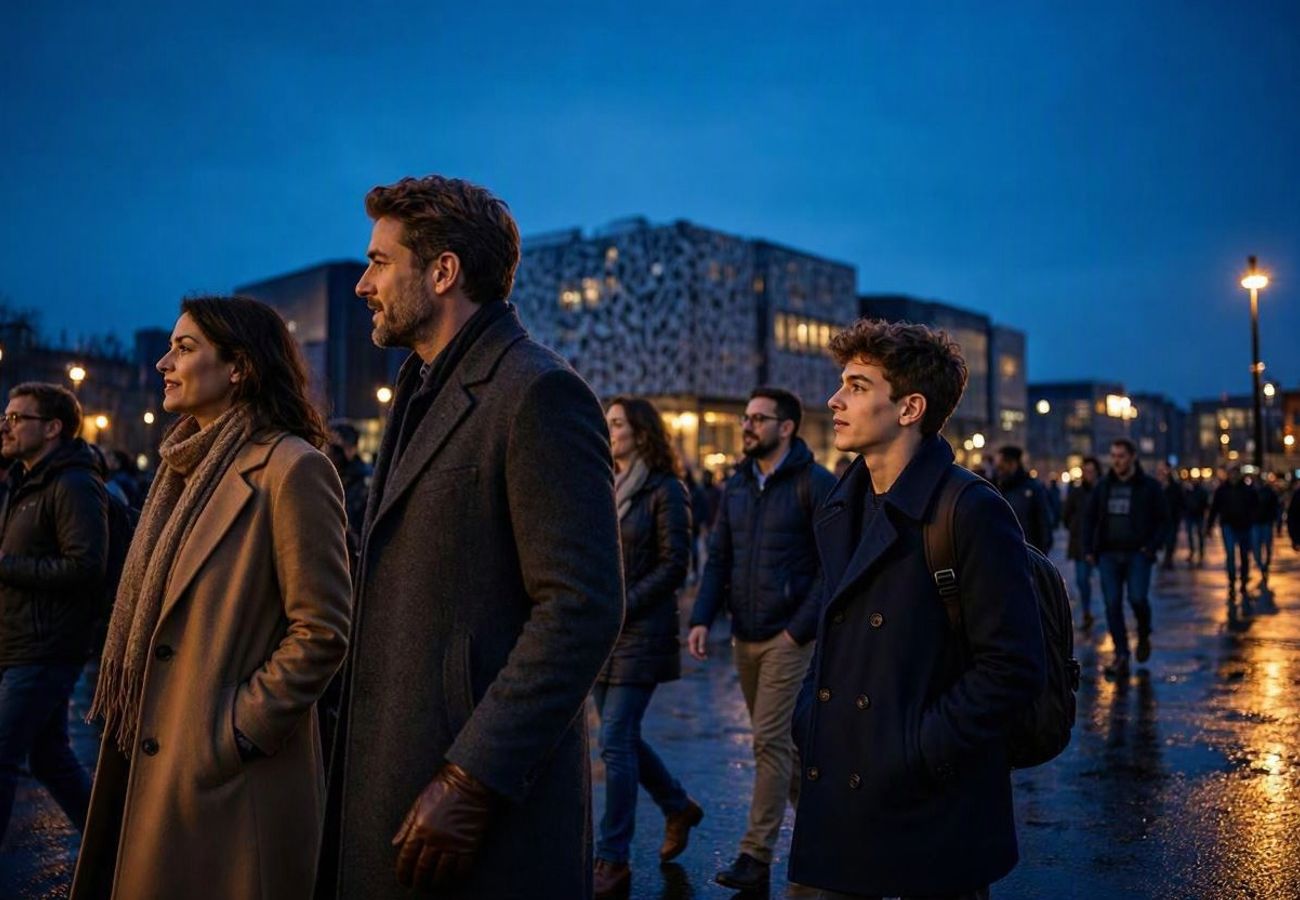
Image generated by AI
Most cultural travelers spend between 28% and 32% more per day than standard sightseers, and Birmingham is currently leveraging this high-value demographic to pivot the UK's autumn travel economy. While traditional literary hubs in Canada and Australia rely on centralized festival grounds, Birmingham has transformed its entire civic core into a living library from 8 to 12 October 2026.
The Shift Toward Decentralized Cultural Hubs
The Birmingham Literature Festival (BLF) 2026 is no longer just a series of readings; it is a strategic urban takeover. Managed by Writing West Midlands and funded via Arts Council England, the event avoids the "expo hall" trap. Instead, it embeds its programming into the city's existing architectural DNA.
The festival utilizes a multi-venue framework that forces visitors to move through the city, benefiting hospitality corridors that usually see a dip in mid-autumn footfall. By spreading events across theaters, cathedrals, and neighborhood libraries, the UK is creating a more immersive "city break" experience that rivals the structured festivals of the Vancouver Writers Fest or the Sydney Writers’ Festival.
What Makes Birmingham’s Model Different
Unlike the Jaipur Literature Festival's massive open-air scale or the Brooklyn Book Festival's plaza-centric approach, Birmingham integrates high-brow intellectualism with neighborhood accessibility. The 2026 roster is a reflection of global diversity, featuring voices like Palestinian author Ibtisam Azem, novelist Tahmima Anam, and pioneering editor Margaret Busby.
The physical layout of the festival is designed to maximize urban exploration. Key anchor points include:
- The Birmingham Repertory Theatre (The Rep): The primary engine for keynote lectures and panel debates via The Door and The Studio stages.
- Civic Institutions: The Library of Birmingham and The Exchange at the University of Birmingham host the more academic and masterclass-style sessions.
- Community Hubs: Local libraries in Handsworth, Acocks Green, and Kings Heath ensure the festival isn't just for tourists, but remains rooted in the local community.
Attendance and Growth Metrics (2021–2025)
The festival has seen a consistent climb in attendance as it transitioned from a hybrid pandemic model to a fully integrated civic experience.
| Year | Event Model | Total Attendance | Venue Occupancy | Key Policy Driver |
|---|---|---|---|---|
| 2021 | Phased Hybrid | ~4,200 | 71.5% | Strict distancing & streaming |
| 2022 | Unrestricted In-Person | ~5,800 | 79.0% | Return of national touring panels |
| 2023 | 25th Anniversary | 6,546 | 84.5% | Transport for West Midlands free transit trials |
| 2024 | Multi-Venue Hub | ~7,400 | 88.0% | Expansion of creative workshops |
| 2025 | Integrated Autumn Slate | ~8,250 | 91.4% | National rail ticket-package sales |
Visitor Insider Tips
For those heading to the West Midlands for the 2026 festival, avoid the common mistake of staying only in the city center.
Timing and Crowds: The weekend keynotes frequently sell out. To secure a spot, book ticket packages via national rail routes early. If you prefer a slower pace, the neighborhood libraries in Kings Heath and Handsworth offer a more intimate experience away from the Centenary Square crowds.
Transport Hacks: Do not rely on taxis in the city center during the festival window. Use the West Midlands Metro tram for seamless movement between the Rep and the Library of Birmingham.
Local Etiquette: While the festival is international, the neighborhood sessions are community-led. Engaging with local creative collectives supported by Writing West Midlands is the best way to discover the city's hidden independent bookstores.
Where to Base Yourself: For maximum convenience, look for accommodation in the Westside district or near Brindleyplace. This puts you within walking distance of the primary venues while providing access to the city's best independent cafes.
Cultural and Environmental Context
The rise of literary tourism in Birmingham represents a shift toward "slow travel." By encouraging visitors to spend five days traversing different neighborhoods, the city reduces the environmental impact of high-turnover, single-day tourism.
However, this surge puts pressure on the city's civic infrastructure. The integration of free transit trials in 2023 was a direct response to the need for sustainable movement. Furthermore, the festival acts as an economic shield for the region; the estimated £1.8 million to £2.4 million injected into the local economy protects independent presses and bookstores from the seasonal volatility of the retail market. By linking high-spending cultural travelers (who spend up to 32% more than average tourists) with local artisans, the festival ensures that the financial benefits of tourism reach beyond the major hotel chains.
FAQ: Visiting Birmingham Literature Festival 2026
What is the best way to get to Birmingham for the festival? The most efficient route is via Birmingham New Street or Moor Street stations. For international visitors, Birmingham Airport (BHX) offers direct links, though rail connections from London Heathrow are highly recommended for those arriving from North America.
Do I need to book tickets for every event? Yes, marquee keynotes at The Rep and the Library of Birmingham typically require tickets and often sell out. However, some community-based sessions in neighborhood libraries may have different entry requirements.
Is the festival safe for solo travelers? Absolutely. The festival is spread across well-lit, high-traffic civic areas. The use of the West Midlands Metro and official TfWM bus corridors makes navigating the city straightforward and safe for individuals.
Which neighborhoods should I visit for a local feel? Avoid staying exclusively in the city center. Venture into Handsworth and Acocks Green to visit the local library hubs and experience the regional creative economy first-hand.
A city that reads together, travels together.
Related Travel Guides
Disclaimer
This article is for informational and educational purposes only. It does not constitute legal, financial, or professional advice. While we strive to provide accurate and up-to-date information, travel policies, regulations, and conditions change rapidly. Always verify information with official sources before making travel decisions. Nomad Lawyer makes no representations about the accuracy, reliability, completeness, or suitability of the information provided. Readers should consult qualified professionals for advice specific to their circumstances. The views expressed in this article are those of the author and do not necessarily reflect the views of Nomad Lawyer.
Preeti Gunjan
Contributor & Community Manager
A passionate traveller and community builder. Preeti helps grow the Nomad Lawyer community, fostering engagement and bringing the reader experience to life.
Learn more about our team →