
Travel Preferences Local: How Asia Pacific Behaviors Are Reshaping Hotel Loyalty in 2026
Marriott Bonvoy's 2026 Loyalty Trends Report reveals how travel preferences local to Asia Pacific are fundamentally reshaping hotel loyalty programs, with India emerging as the region's fastest-growing market driven by experience-led travel demands.

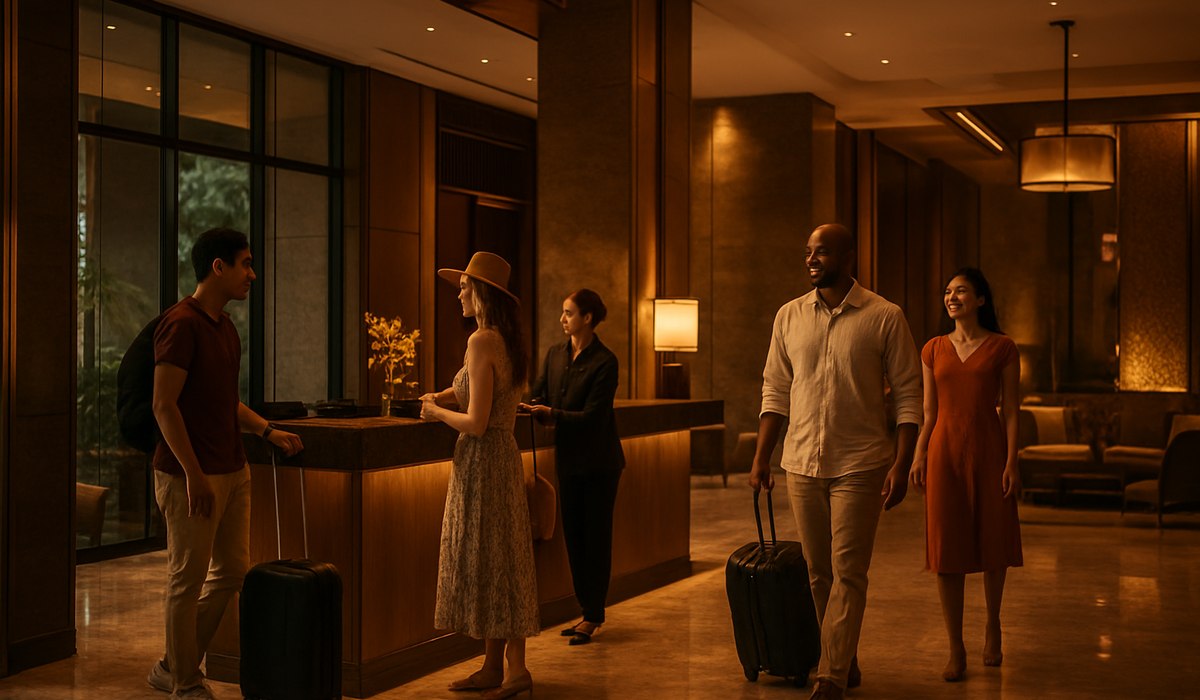
Image generated by AI
Marriott Bonvoy's 2026 Report Reveals Shifting Loyalty Dynamics Across Asia Pacific
Marriott Bonvoy has unveiled its comprehensive Loyalty Trends Report for 2026, demonstrating that travel preferences local to each Asia Pacific market are fundamentally reshaping how hotel chains engage with frequent travelers. The report highlights that experience-driven journeys and region-specific behaviors are no longer peripheral considerations—they're central to membership retention and brand loyalty. India stands out as one of the fastest-growing loyalty markets, powered by aspirational rewards and immersive travel experiences that resonate with younger, digitally-native guest populations across the region.
Experience-Led Travel Driving Loyalty in Asia Pacific
The 2026 research indicates that travel preferences local have shifted dramatically from traditional transactional benefits toward experiential value. Guests across Asia Pacific increasingly prioritize stays that offer authentic cultural connections, local culinary experiences, and personalized service over standard loyalty point accumulation. Marriott Bonvoy's data reveals that members now expect properties to curate neighborhood experiences, facilitate local partnerships, and provide insider access to regional attractions.
This behavioral pivot reflects broader demographic changes. Younger travelers and affluent millennials demand more from their loyalty memberships than room upgrades or lounge access. They seek properties that function as gateways to local communities. Hotels that align their offerings with these travel preferences local to specific markets—whether that's wellness retreats in Southeast Asia or heritage experiences in South Asia—report significantly higher engagement rates among members. The report underscores that one-size-fits-all loyalty programs are becoming obsolete in favor of market-responsive strategies.
India's Rapid Growth in Hotel Loyalty Programs
India represents the most compelling growth opportunity within Asia Pacific's hotel loyalty landscape. The country's expanding middle class, increased international travel appetite, and strong domestic tourism market have created unprecedented demand for premium hospitality experiences. Marriott Bonvoy identifies India as experiencing double-digit loyalty enrollment growth, outpacing most regional competitors.
Indian travelers demonstrate distinct preferences shaped by local cultural values and travel aspirations. Members prioritize experiences that offer value for money while maintaining premium positioning—a nuance that requires sophisticated market understanding. The report highlights that Indian guests particularly value family-oriented amenities, wellness facilities, and properties with strong local community connections. Hotels successfully reshaping their loyalty offerings to reflect these specific behaviors have seen membership retention improve substantially. India's growth trajectory suggests that Asia Pacific hotel chains must develop localized loyalty mechanics rather than applying generic regional templates.
Market-Specific Behaviors Reshape Reward Expectations
Different Asia Pacific markets exhibit distinct behavioral patterns that directly influence how travelers engage with loyalty programs. The 2026 report documents that behaviours across the region vary significantly based on cultural preferences, travel frequency patterns, and value perception frameworks. What drives loyalty in one market may prove ineffective in another, requiring sophisticated segmentation strategies from hospitality brands.
For instance, travelers in certain markets prioritize experiential rewards—exclusive dining events, adventure activities, or cultural workshops—over traditional hotel benefits. Others value flexibility and choice within their reward redemptions. The research reveals that reshaping loyalty programs to accommodate these nuanced preferences demands deeper investment in local market research and customer feedback loops. Hotels that implement region-specific reward tiers, localized partnership networks, and culturally-resonant communication strategies outperform competitors relying on standardized approaches. This behavioral insight has prompted major brands to decentralize loyalty program design, empowering regional teams to customize offerings while maintaining brand consistency.
How Hotels Are Adapting to Regional Preferences
Forward-thinking hospitality chains are fundamentally restructuring their loyalty architecture to accommodate local market dynamics. Properties across Asia Pacific are implementing several key adaptations identified in the 2026 report. First, hotels are expanding partnerships with local restaurants, wellness centers, activity providers, and cultural institutions—creating ecosystems that align with regional travel preferences local. These partnerships enable members to accumulate points through non-hotel transactions, deepening engagement touchpoints.
Second, brands are introducing localized digital experiences through mobile applications that highlight neighborhood attractions, local events, and community recommendations. Third, hotels are training staff to understand and anticipate market-specific service preferences, recognizing that hospitality expectations vary considerably across Asia Pacific. Properties are also launching region-specific membership tiers and creating loyalty rewards that reflect local aspirations—whether that's international flight redemptions in emerging markets or exclusive wellness retreat access in established luxury segments.
The most successful implementations combine data-driven personalization with genuine local market expertise. Hotels investing in understanding behaviours unique to their specific markets report improved member satisfaction scores and increased booking frequency. This adaptive approach requires flexibility, cultural sensitivity, and willingness to deviate from global templates when regional dynamics demand it.
What Guests Get
Marriott Bonvoy members across Asia Pacific now access increasingly sophisticated benefits reflecting regional preferences:
- Experience Packages: Curated local activities, cultural workshops, and neighborhood dining credits aligned with market-specific interests
- Flexible Redemption Options: Points redeemable through expanded partner networks including local businesses beyond traditional hotel properties
- Personalized Communications: Region-specific member updates highlighting relevant experiences, local properties, and relevant seasonal offerings
- Exclusive Access: Priority reservations at high-demand local properties and invitation-only events featuring regional cultural or culinary themes
- Family-Oriented Benefits: Enhanced amenities designed around multi-generational travel patterns common in certain Asia Pacific markets
- Digital Integration: Mobile app features highlighting neighborhood attractions, local transportation, and community recommendations specific to each property location
- Accelerated Earning: Bonus point opportunities through partnerships with local airlines, tourism boards, and regional lifestyle brands
Key Data Points from Marriott Bonvoy's 2026 Loyalty Trends Report
| Metric | Finding | Region Impact |
|---|---|---|
| India Loyalty Growth | Double-digit enrollment increase | Fastest-growing Asia Pacific market |
| Experience Priority | 72% prefer experiential rewards | Across younger demographics (18-40) |
| Local Partnership Importance | 68% value neighborhood connections | Essential for retention rates |
| Behavioral Variation | Significant market-to-market differences | Demands localized program design |
| Redemption Patterns | Shift from hotel-only to mixed redemptions | Requires expanded partner ecosystems |
| Digital Engagement | 81% active mobile app usage | Highest engagement in Asia Pacific |
| Membership Retention | Improved with market-specific customization | 15-20% increase among adapted programs |
What This Means for Travelers
The 2026 shift toward experience-driven loyalty and localized behaviours creates meaningful opportunities for Asia Pacific travelers:
- Join Region-Relevant Programs: Enroll in loyalty programs showing demonstrated commitment to your specific market's preferences rather than generic regional offerings
- Maximize Local Partnerships: Take advantage of expanded partner networks that enable points earning through neighborhood experiences, dining, and activities—not just hotel nights
- Leverage Experiential Rewards: Prioritize properties offering culturally-resonant experiences over traditional upgrades; these generate greater personal value and satisfaction
- Participate in Feedback Loops: Provide input on what experiences matter most in your market, as hotels actively seeking member input develop more relevant offerings
- Explore Regional Properties: Discover lesser-known properties within your loyalty network that emphasize local market engagement and community connections
Frequently Asked Questions
What exactly are "travel preferences local" in the context of hotel loyalty?
Travel preferences local refers to the distinct hospitality expectations, reward values, and experience priorities unique to specific geographic markets. Rather than applying uniform loyalty programs globally, hotels increasingly recognize that Indian travelers, Southeast Asian guests, and South Asian members have different priorities. Some markets emphasize family amenities, others prioritize wellness experiences, and still others focus on adventure activities. Acknowledging these local preferences drives stronger member engagement.
**Why is India emerging as such a
Disclaimer
This article is for informational and educational purposes only. It does not constitute legal, financial, or professional advice. While we strive to provide accurate and up-to-date information, travel policies, regulations, and conditions change rapidly. Always verify information with official sources before making travel decisions. Nomad Lawyer makes no representations about the accuracy, reliability, completeness, or suitability of the information provided. Readers should consult qualified professionals for advice specific to their circumstances. The views expressed in this article are those of the author and do not necessarily reflect the views of Nomad Lawyer.
Preeti Gunjan
Contributor & Community Manager
A passionate traveller and community builder. Preeti helps grow the Nomad Lawyer community, fostering engagement and bringing the reader experience to life.
Learn more about our team →