
Cinemagic 2026 Drives Belfast Tourism Surge with 92.8% Venue Capacity and Youth Film Influx
The 37th edition of Cinemagic 2026 is transforming Belfast into a youth film hub, leveraging a citywide circuit to drive high-yield tourism and hospitality growth during the autumn shoulder season.

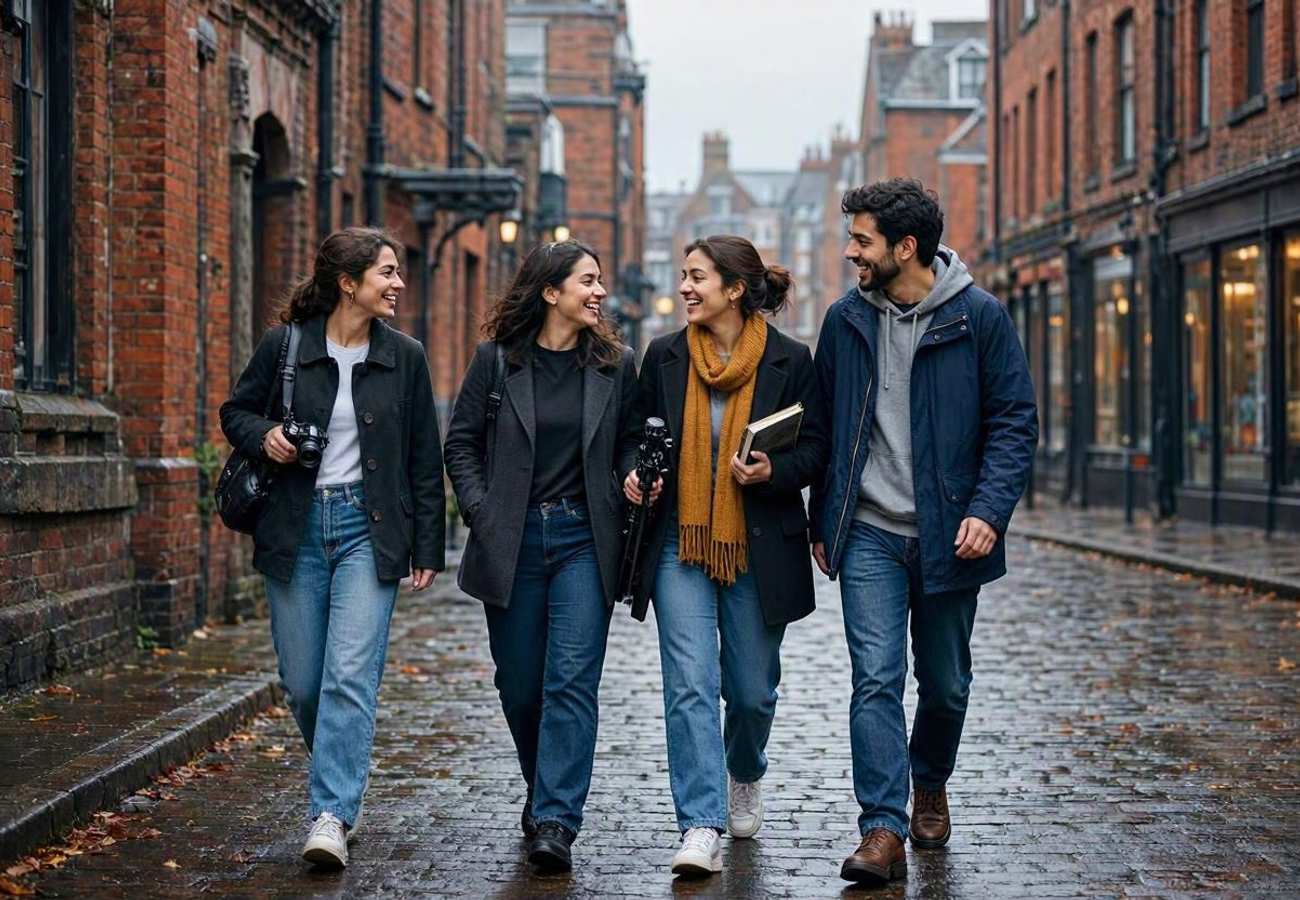
Image generated by AI
A 92.8% average venue capacity uptake in 2025 signals a massive shift in how Belfast leverages "shoulder season" tourism through targeted cultural events. The 37th edition of the Cinemagic International Film and Television Festival for Young People, running throughout October 2026, has evolved from a 1988 cross-community initiative into the largest youth screen charity and festival across the United Kingdom and Ireland. By decentralizing its events across a multi-venue urban circuit, the festival acts as a primary destination marketing anchor, pulling thousands of families and industry professionals into the city's hospitality corridors during a period that typically sees a dip in travel.
The Urban Circuit: Decentralizing the Visitor Experience
Unlike traditional festivals confined to a single convention center, Cinemagic 2026 utilizes a strategic "urban circuit" that forces visitor flow through multiple high-value districts in Belfast. This distribution prevents congestion and maximizes the economic impact across various neighborhoods.
The festival's footprint is divided into three primary zones:
- The Academic and Arthouse Core: Centered at the Queen’s Film Theatre (QFT) within Queen’s University, this zone manages the CineFocus and CineSeekers juries. Commercial traffic is routed through ODEON Cinemas Belfast, while heritage screenings are hosted at The Belfast Barge on the River Lagan.
- Technical and Civic Hubs: The Ulster Museum and the Peter Froggatt Centre serve as the operational bases for green-screen labs and claymation workshops.
- The Creative Quarter: The Cathedral Quarter's Black Box and Accidental Theatre host industry networking and independent short film showcases.
This infrastructure is supported by [Northern Ireland Screen](https://www.n screenscreenni.gov.uk), the national agency responsible for the region's screen industry, ensuring that the festival aligns with broader economic goals for the city.
Attendance Growth and Economic Impact Data
The growth of Cinemagic is not merely anecdotal; it is backed by a five-year trajectory of increasing attendance and venue utilization. The shift from a hybrid model in 2021 to a full citywide circuit by 2025 shows a clear trend toward physical, high-density tourism.
Cinemagic Performance Metrics (2021–2025)
| Year | Operational Model | Total Turnout | Venue Capacity Uptake | Primary Policy Driver |
|---|---|---|---|---|
| 2021 | Phased Hybrid | ~24,500 | 74.0% | Physical distancing/streaming |
| 2022 | Unrestricted Multi-Venue | ~33,000 | 82.5% | Return of school excursions |
| 2023 | Regional Expansion | ~38,200 | 86.0% | Digital talent lab expansion |
| 2024 | 35th Anniversary | ~41,800 | 90.5% | High GB and Ireland participation |
| 2025 | 30-Day Citywide | ~43,500 | 92.8% | Peak Republic of Ireland transit |
The financial implications for the Belfast Metropolitan Area are significant. According to data from Tourism Northern Ireland, the festival generates between £2.8 million and £3.6 million in direct expenditure. This influx specifically benefits the Cathedral Quarter and Titanic Quarter, with hotel occupancy rates peaking between 82% and 87% during October weekends.
Expert Analysis: The "Screen Tourism" Multiplier
For travelers and investors, the Cinemagic phenomenon represents a "multiplier effect" where a short-term event creates long-term infrastructure value. The festival does not exist in a vacuum; it is a feeder system for the professional screen industry. By training participants aged 4 to 25 in labs supported by Aardman animators and BAFTA-winning producers, Belfast is securing its future as a production hub.
For the average traveler booking a trip to Belfast in October, the direct consequence is a surge in Average Daily Rates (ADR) for hotels in the Queens Quarter and Laganside districts. The pricing pressure created by the 92.8% capacity uptake means that "shoulder season" discounts are effectively disappearing during the festival window.
Furthermore, the visitor demographics reveal a heavy reliance on cross-border transit. With 52% of non-local attendees arriving from the Republic of Ireland via the Enterprise train or the M1 motorway, the event highlights the critical importance of the Dublin-Belfast corridor. This suggests that any logistical disruption on this route—whether regulatory or technical—could immediately jeopardize over half of the festival's external revenue.
Key Takeaways
- Economic Injection: The festival contributes up to £3.6 million to the local economy, specifically boosting retail and dining in the Cathedral and Titanic Quarters.
- Capacity Peaks: Venue utilization reached 92.8% in 2025, leading to higher hotel occupancy (up to 87%) and increased room rates in October.
- Visitor Pipeline: Over 52% of visitors arrive from the Republic of Ireland, while 16% travel from Great Britain and Western Europe via BHD and BFS airports.
- Industry Pipeline: The event serves as a talent incubator for major hubs like Titanic Studios and Belfast Harbour Studios.
- Global Reach: While based in Belfast, the model extends to Dublin, London (BFI Southbank), and US cities including New York and Los Angeles.
FAQ: Belfast Cinemagic 2026
When is the best time to book hotels for Cinemagic 2026? Due to occupancy rates hitting 87% on festival weekends, it is advised to book accommodations in the Queens Quarter or Laganside district at least three months in advance to avoid peak ADR pricing.
How do I travel to Belfast for the festival from Dublin? The most common route is the Enterprise train service from Dublin Connolly to Belfast Lanyon Place, used by over 52% of non-local attendees.
Who can participate in the Cinemagic workshops? The festival's masterclasses and production labs are open to young creators and students aged 4 to 25, featuring mentors from Aardman and BAFTA-winning producers.
Which airports are best for international delegates? Most overseas visitors arrive via Belfast City (BHD) or Belfast International (BFS) airports, which handle approximately 16% of the total visitor flow.
Belfast is no longer just a backdrop for film; it has become the classroom.
Related Travel Guides
Disclaimer
This article is for informational and educational purposes only. It does not constitute legal, financial, or professional advice. While we strive to provide accurate and up-to-date information, travel policies, regulations, and conditions change rapidly. Always verify information with official sources before making travel decisions. Nomad Lawyer makes no representations about the accuracy, reliability, completeness, or suitability of the information provided. Readers should consult qualified professionals for advice specific to their circumstances. The views expressed in this article are those of the author and do not necessarily reflect the views of Nomad Lawyer.
Kunal K Choudhary
Co-Founder & Contributor
A passionate traveller and tech enthusiast. Kunal contributes to the vision and growth of Nomad Lawyer, bringing fresh perspectives and driving the community forward.
Learn more about our team →