
UK Fuel Duty Hike Returns After 16 Years – Travel Costs Rise
UK ends 5p per litre fuel duty cut from March 2026, hiking petrol and diesel prices after 16 years. Tourists and business travelers face higher car rental and road trip costs, with increases phased in through 2027.

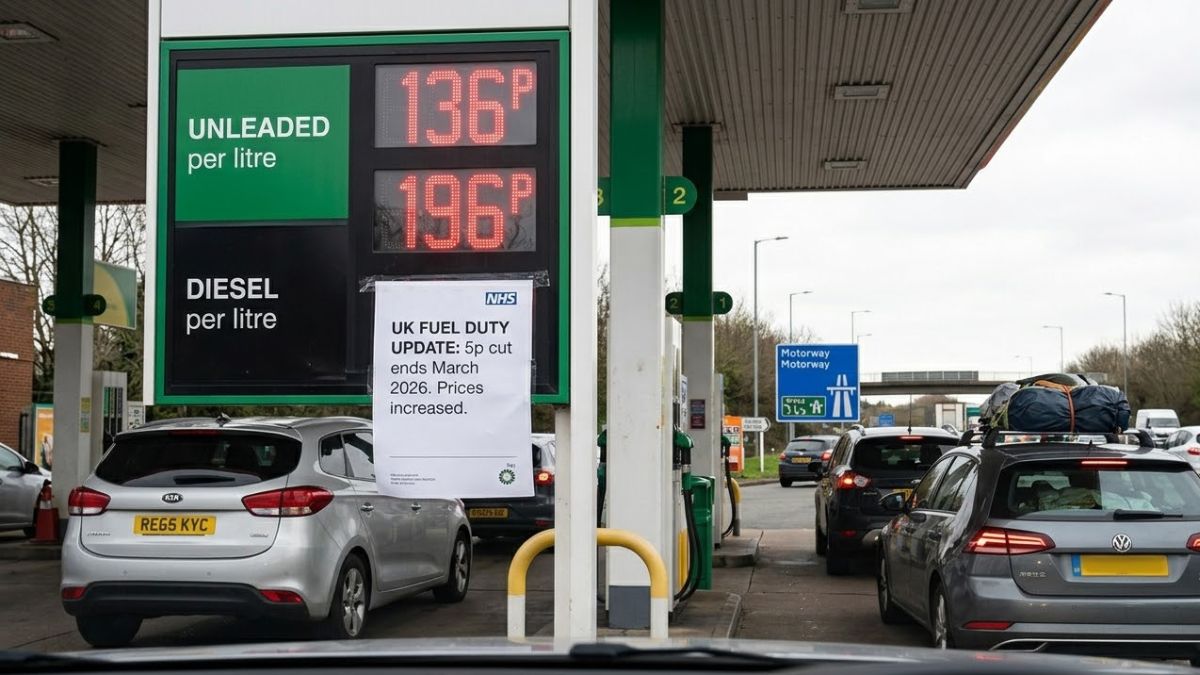
Image for illustrative purposes
Quick Summary
- UK Policy Change: Government ends 5p per litre fuel duty cut on 23 March 2026, first increase in 16 years.
- Phased Increases: 1p rise on 1 September 2026, 2p on 1 December 2026, 2p on 1 March 2027.
- Traveler Impact: Extra £2.75 per 55-litre tank for rentals and road trips, pushing pump prices higher.
- What's Next: Rates frozen at prior levels until August 2026; review possible amid oil price surges.
UK Ends Fuel Duty Cut – First Hike in 16 Years Hits Travelers
The UK government will terminate a temporary 5 pence per litre (ppl) cut in fuel duty rates on 23 March 2026, marking the first increase since 2010. This reversal of the 2022 energy crisis relief affects petrol, diesel, and other road fuels, raising costs for tourists renting cars and business travelers on road trips.
Introduced at the Spring Statement 2022, the cut reduced main rates from 57.95 ppl to 52.95 ppl for unleaded petrol and diesel. Extensions kept it in place through March 2025, but the Autumn Budget 2024 confirmed its end, maintaining rates at reduced levels only until 22 March 2026.
Travelers will notice the pinch at pumps and in rental quotes across England, Scotland, Wales, and Northern Ireland. With taxes already comprising over half of pump prices—fuel duty at 52.95p plus 20% VAT—the hike adds direct pressure on budgets.
Why This Change Matters for Travel and Economy
Fuel duty funds public spending and generates £24 billion annually. Ending the cut reverses support for motorists amid high energy costs from the 2022 Ukraine crisis.
For the travel sector, this signals higher operational costs passed to consumers. Car rental firms at airports like London Heathrow (LHR/EGLL) and Gatwick (LGW/EGKK) already factor duty into rates. Business fleets and self-drive tourists face compounded rises from global oil surges and Middle East tensions.
The policy maintains proportionality for biofuels and road gases, but standard petrol and diesel bear the full 5p hit. Opposition calls grow to scrap it, with Reform UK eyeing green levy cuts as alternatives.
Phased Rollout of Fuel Duty Increases
The unwind happens in stages to soften the blow.
| Date | Fuel Duty Increase |
|---|---|
| 1 September 2026 | 1p per litre |
| 1 December 2026 | 2p per litre |
| 1 March 2027 | 2p per litre |
This brings rates back to pre-2022 levels: 57.95 ppl for unleaded petrol, heavy oil (diesel), bioethanol, and biodiesel. By March 2027, a 55-litre tank costs £2.75 more.
Prime Minister Keir Starmer noted the September rise is "under review" due to petrol jumping from 133.83p to 138.96p per litre between late February and mid-March 2026.
Fuel Duty Rates: Before and After the Cut
The temporary reduction applied across categories.
Light Oils
| Fuel Type | Pre-23 March 2022 (ppl) | Continued Cut Rates (ppl) |
|---|---|---|
| Unleaded petrol | 0.5795 | 0.5295 |
| Light oil (other) | 0.6767 | 0.6267 |
| Aviation gasoline | 0.3820 | 0.3629 |
| Furnace fuel | 0.1070 | 0.0978 |
Heavy Oils
| Fuel Type | Pre-23 March 2022 (ppl) | Continued Cut Rates (ppl) |
|---|---|---|
| Diesel | 0.5795 | 0.5295 |
| Marked gas oil | 0.1114 | 0.1018 |
| Fuel oil | 0.1070 | 0.0978 |
| Other heavy oils | 0.1070 | 0.0978 |
| Excepted kerosene | 0.1114 | 0.1018 |
Rates for biofuels, road fuel gases, and others follow similar 5p-equivalent cuts.
Key Facts at a Glance
- Current Rate (until 22 March 2026): 52.95 ppl for main petrol/diesel
- Full Reversal Target: 57.95 ppl by March 2027
- Revenue Impact: £0.4 billion from unwind
- Tank Cost Rise: £2.75 for 55 litres
- Historical Context: First hike since 2010 freeze
- UK Pump Taxes: Over 50% of price (duty + VAT)
- Related Rise: Vehicle Excise Duty up with RPI from April 2026 (£195 to £200)
What This Means for Tourists
Tourists driving through London, the Lake District, or Scottish Highlands face immediate hikes post-March 2026. Rental cars at major airports add the duty directly to base rates, with averages already reflecting recent surges to 138.96p per litre.
Road trippers budgeting £100 for fuel may need £102.75 extra per full tank by 2027. Electric vehicle renters dodge duty but face potential VED alignment.
International visitors from the US or EU, where UK duty will rank eighth-highest in Europe at 58p, should compare IATA fuel trends before booking self-drive itineraries.
Impact on Business Travel
Corporate fleets and sales reps pay more for diesel at 57.95 ppl post-hike. HMRC advisory fuel rates updated 1 March 2026 reflect early pressures.
Business travelers claiming mileage see reimbursements strained, especially with FAA-linked transatlantic routes feeding UK hubs. Firms may shift to rail or EVs, per UK DOT guidance.
The RAC estimates £24 billion government revenue but warns of £2.75 tank hits curbing regional travel.
Challenges and Potential Delays
Geopolitical risks, including Iran conflicts, push oil prices up, amplifying the 5p effect. Starmer's review could pause September's 1p rise if pumps exceed 140p.
No inflation uprate planned for 2026-27, but RPI-linked VED rises from April add vehicle costs. Taxpayers' Alliance flags UK's duty climbing to 58p, pressuring competitiveness.
Traveler Action Checklist
- Check rental quotes now – Lock in pre-hike rates via airline partners or FlightAware trip planners
- Budget extra for fuel – Add £2.75 per tank from September 2026; use apps for real-time pump prices
- Know your rights – EU/UK visitors eligible for duty refunds on exports; check UK Gov tax-free schemes
- Keep all receipts – Claimable for business travel reimbursements under HMRC rules
- Consider alternatives – Trains via National Rail or EVs at regional airports like Manchester (MAN/EGCC)
Key Facts Box
| Detail | Data |
|---|---|
| Policy Start | 23 March 2026 |
| Total Hike | 5p per litre phased to March 2027 |
| Affected Fuels | Petrol, diesel, biofuels, road gases |
| Pump Impact | +£2.75 per 55L tank |
| Revenue | £24B annually; £0.4B from change |
| Review Status | September rise under consideration |
Frequently Asked Questions
When does the UK fuel duty hike start in 2026?
The 5p per litre cut ends 22 March 2026, with phased rises: 1p on 1 September 2026, 2p on 1 December 2026, and 2p on 1 March 2027. This restores rates to 57.95 ppl for petrol and diesel, first increase in 16 years.
How much will fuel duty hike add to my car rental costs in the UK?
Expect £2.75 extra per 55-litre tank by March 2027, on top of current 52.95p duty plus 20% VAT. Tourists at London airports should factor this into self-drive budgets amid rising pump prices to 138.96p.
Does the fuel duty change affect international tourists or business travelers?
Yes, it hits all UK road users, including rentals for US/EU visitors. Business claims may rise; consider rail alternatives. No exemptions noted, but export refunds possible via UK Gov.
Could the UK government cancel or delay the fuel duty increase?
Prime Minister Starmer says the September 1p rise is under review due to oil surges and opposition pressure. Geopolitical factors may pause it, but full reversal to 57.95 ppl remains planned by 2027.
Related Travel Guides
London Heathrow Car Rental Tips 2026
UK Road Trip Budget Guide
Electric Vehicle Travel in Europe
Disclaimer
This article is for informational and educational purposes only. It does not constitute legal, financial, or professional advice. While we strive to provide accurate and up-to-date information, travel policies, regulations, and conditions change rapidly. Always verify information with official sources before making travel decisions. Nomad Lawyer makes no representations about the accuracy, reliability, completeness, or suitability of the information provided. Readers should consult qualified professionals for advice specific to their circumstances. The views expressed in this article are those of the author and do not necessarily reflect the views of Nomad Lawyer.
Raushan Kumar
Founder & Lead Developer
Full-stack developer with 11+ years of experience and a passionate traveller. Raushan built Nomad Lawyer from the ground up with a vision to create the best travel and law experience on the web.
Learn more about our team →