
UK-bound travellers stranded at Milan airports amid biometric border delays
Dozens of UK passengers miss flights from Milan as the EU's new Entry/Exit System creates three-hour border queues in April 2026. Over 100 empty seats reported on services to Manchester.

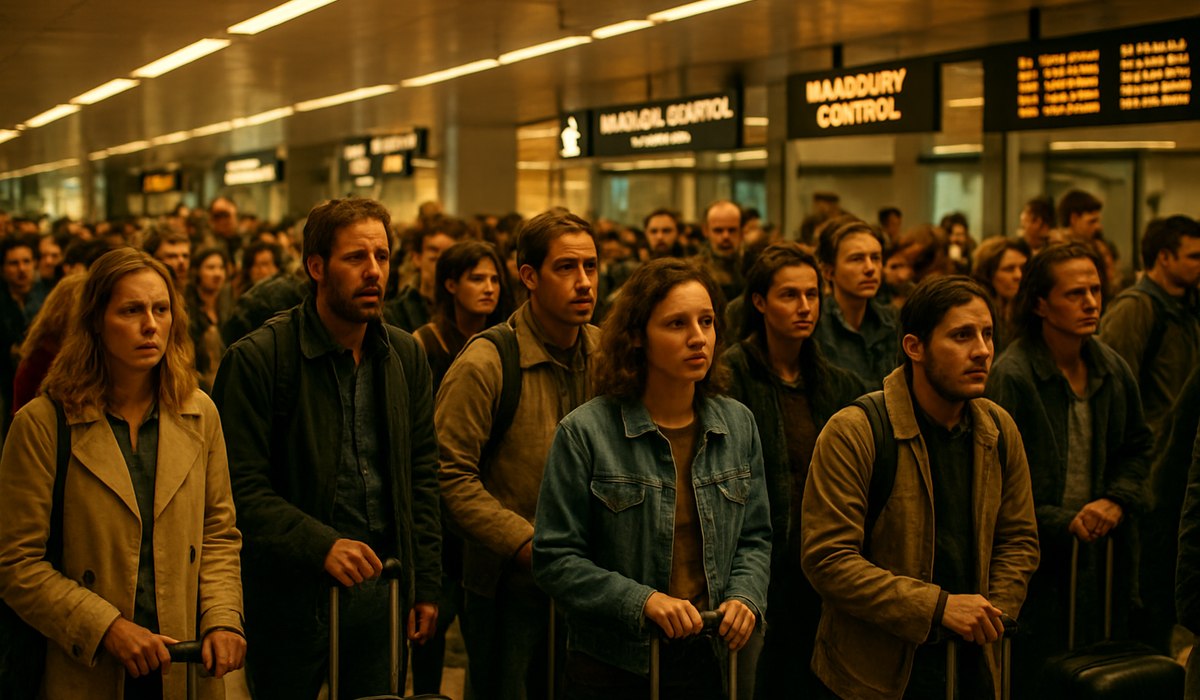
Image generated by AI
Dozens of UK-bound travellers stranded at Milan as biometric border system causes flight chaos
UK-bound travellers stranded at Milan's major airports have missed departures to Manchester and other UK cities in mid-April 2026, creating a travel crisis affecting hundreds of passengers. The disruption stems from the European Union's newly implemented biometric Entry/Exit System, which has triggered border control queues exceeding three hours at Milan Linate and Bergamo airports. Multiple flights—including easyJet and Ryanair services—have departed with more than 100 empty seats as passengers remained stuck in passport queues despite arriving hours before scheduled takeoff. This unprecedented backlog has exposed systemic capacity issues at some of Europe's busiest leisure travel hubs during peak season.
Widespread disruption at Milan's key airports
The crisis intensified across Milan's two primary international terminals starting mid-April 2026, coinciding with school holiday peaks and weekend city-break demand. Milan Linate and Bergamo airport serve as critical gateways for low-cost carriers operating routes to the United Kingdom, handling dense clusters of short-haul departures during morning and early evening hours.
Passengers reporting from April 21-22 described joining non-EU passport control lines only to face waits stretching beyond 180 minutes. Social media accounts and airport forums highlight families with children and elderly travellers watching their aircraft push back from gates while they remained in departure halls holding valid boarding passes. One documented easyJet service from Linate to Manchester carried over 100 ticketed passengers unable to clear border checks in time to board. Industry observers note that Milan's particular vulnerability stems from concentrated weekend leisure traffic, limited border facility capacity during peak windows, and terminal layout challenges that complicate passenger flow between gates and biometric screening areas.
For the latest travel regulations and visa updates, consult the IATA Travel Centre before booking flights from EU airports.
The Entry/Exit System rollout impact
The EU's new biometric Entry/Exit System represents the bloc's most significant border security overhaul in decades. Under this framework, UK-bound travellers and other third-country nationals must now provide fingerprints and facial images upon first entry to the Schengen zone, with subsequent crossings verified against stored biometric records.
While the system aims to enhance security and detect overstay violations automatically, early implementation has produced significantly longer processing times than anticipated by airports and airlines. UK passport holders transitioning through Milan to domestic connections face compounded delays: passengers must clear Schengen exit biometrics, transfer between terminals via bus, navigate repeat security screening, and complete additional non-Schengen entry procedures. Industry bodies have reported similar bottlenecks across major European hubs, but Milan has emerged as the most acute pressure point due to its operational density. Staffing levels at certain terminals, including dedicated biometric scanning capacity, appear insufficient for the volume of non-EU departure traffic during holiday periods. Experts suggest the system will stabilise as travellers and border staff adapt to new procedures, though capacity constraints may persist at busy times throughout summer 2026.
What travellers can expect when flying from Milan
The current operating environment at Milan airports requires proactive planning. Passengers holding UK passports should anticipate border control delays of 90-180 minutes during peak periods (early morning and late afternoon departures, school holidays, and weekends).
Airlines recommend checking in 4-5 hours before international departures rather than the standard 3 hours, though this does not guarantee timely boarding if bottlenecks persist. Early morning flights to the UK, particularly before 8 AM, face highest risk of delays based on reported patterns. Passengers should verify real-time queue status through airport websites or contact their airline before departure. Those with tight connections through Milan should allow additional buffer time or reconsider routing through alternative airports. For travellers originating from within Italy, Malpensa airport (Milan's other major terminal) may offer marginally shorter queues, though capacity pressures remain widespread. Families travelling with young children should bring entertainment and snacks, as departure lounges become crowded during extended waits. Monitor official Milan airport communications and your airline's website for live queue updates and operational advisories.
Official response and timeline for resolution
Milan airport authorities and the EU have acknowledged the Entry/Exit System implementation challenges. Airport operators at Linate and Bergamo have committed to increasing biometric scanner deployments and extending border control staffing during peak periods through summer 2026.
EU border officials have indicated that processing times typically decline as systems optimise and travellers become familiar with biometric procedures. However, no formal timeline for returning to pre-Entry/Exit System queue lengths has been publicised. Ryanair, easyJet, and other carriers have advocated for enhanced airport resources while managing customer expectations regarding delays. The Italian government's aviation authority continues monitoring capacity and has suggested temporary operational measures, though structural improvements require coordination across multiple agencies. For official guidance on Entry/Exit System requirements and updates, visit the EU's dedicated information portal.
Key data on Milan border disruption and Entry/Exit System impact
| Metric | Details |
|---|---|
| Empty seats reported | Over 100 passengers per departure (easyJet LTN-MXP, April 2026) |
| Peak wait time observed | 3+ hours at Milan Linate passport control, April 21-22 |
| Affected airports | Milan Linate, Milan Bergamo |
| Primary routes impacted | Milan to Manchester, London Stansted, other UK cities |
| System roll-out date | EU Entry/Exit System full implementation, April 2026 |
| Biometric requirements (UK travellers) | Fingerprints, facial image on first Schengen entry; verification on subsequent crossings |
| Check-in recommendation | 4-5 hours before international departure (vs. standard 3 hours) |
| System scope | UK treated as third-country; non-EU passport processing mandatory |
| Industry assessment | Processing times expected to improve by summer/autumn 2026 as systems stabilise |
What this means for UK-bound travellers
The Milan border crisis carries three critical implications for anyone booking UK-bound flights through Italian airports in 2026:
-
Plan extended check-in windows. Allocate 4-5 hours before departure instead of the customary 3 hours. This buffer does not guarantee timely boarding but substantially reduces the risk of missing flights due to biometric processing delays.
-
Monitor queue status in real time. Check Milan airport official websites and airline apps for live border control updates. Adjust departure timing if queues exceed 90 minutes at your scheduled departure hour.
-
Understand passenger rights limitations. Border control delays typically qualify as extraordinary circumstances under EU261 rules, limiting eligibility for cash compensation even when flights depart with empty seats. However, airlines must provide meals, refreshments, and accommodation during extended waits exceeding specified thresholds.
-
Consider alternative routing. If flexibility exists, compare prices and schedules through other European hubs (Rome, Munich, Amsterdam) that may face less acute capacity constraints during April-August 2026.
-
Document your experience. Record arrival times, queue entry times, and final boarding outcomes. Retain receipts for alternative bookings or accommodation purchased due to missed flights.
Frequently asked questions
Q: Will the Entry/Exit System delays continue indefinitely?
A: Industry experts predict processing times will normalise by late summer 2026 as border staff optimise procedures and passengers familiarise themselves with
Disclaimer
This article is for informational and educational purposes only. It does not constitute legal, financial, or professional advice. While we strive to provide accurate and up-to-date information, travel policies, regulations, and conditions change rapidly. Always verify information with official sources before making travel decisions. Nomad Lawyer makes no representations about the accuracy, reliability, completeness, or suitability of the information provided. Readers should consult qualified professionals for advice specific to their circumstances. The views expressed in this article are those of the author and do not necessarily reflect the views of Nomad Lawyer.
Kunal K Choudhary
Co-Founder & Contributor
A passionate traveller and tech enthusiast. Kunal contributes to the vision and growth of Nomad Lawyer, bringing fresh perspectives and driving the community forward.
Learn more about our team →