
UK Airports Tighten Airside Smoking and Vaping Restrictions, Threatening Transit Delays, Security Airport Disruptions, and Passenger Travel Chaos: New Airline News and Aviation Updates
UK aviation hubs implement a sweeping ban on post-security airside smoking and vaping zones, forcing passengers to adjust transit routines.

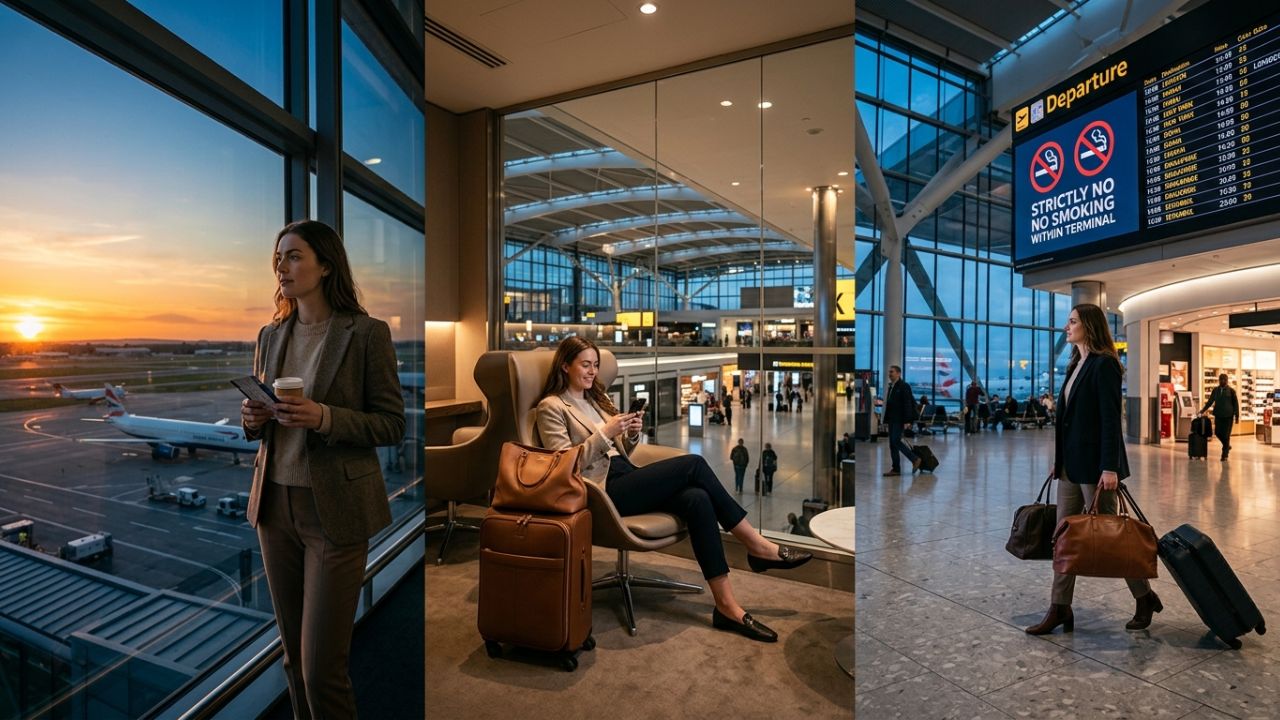
Image generated by AI
In a structural development that is transforming the terminal passenger experience across the British Isles, major airports throughout the United Kingdom have implemented a sweeping ban on post-security (airside) smoking and vaping zones. Driven by public health compliance, terminal efficiency goals, and high ventilation maintenance costs, these newly tightened airport regulations require passengers to smoke exclusively before passing through security screening. For long-haul transit passengers facing flight delays, the lack of airside smoking facilities has increased stress, leading to passenger congestion and potential terminal-side airport disruptions as travelers attempt to exit and re-enter secure areas, creating a high risk of localized security queues and subsequent travel chaos during peak holiday seasons. The tightening of airport smoking regulations represents a notable headline in today's airline news and global aviation updates.
By introducing direct passenger coordination and dynamic scheduling backups, the regional aviation hubs target growing passenger demand across vital commerce sectors. The choice to coordinate flight departures in phases helps to manage gate capacity, supporting the country's broader regional transportation network.
Context: The Shift Toward Smoke-Free Terminals in British Aviation
Historically, international airport terminals maintained enclosed smoking rooms or outdoor terraces beyond security checkpoints to accommodate transit passengers.
However, managing airside smoking facilities requires specialized high-volume ventilation systems, constant security monitoring, and regular maintenance. As smoking rates continue to decline across the UK, airport operators are redesigning terminals around completely smoke-free indoor environments that align with the country's strict public health regulations.
To review terminal rules, check security screening guidelines, or view parking maps, passengers can consult the official London Heathrow Airport terminal rules. For passenger terminal maps, premium lounge reviews, and flight status checkers, travelers can consult the Manchester Airport guide. To check passenger rights, air safety standards, and airline operator guidelines in the UK, travelers can consult the UK Civil Aviation Authority directory.
Section-Wise Breakdown of UK Airport Smoking Rules
Heathrow (LHR), Luton (LTN), and Birmingham (BHX) Airside Restrictions
Major hubs in England have taken a strict approach to airside smoking, operating entirely smoke-free departure lounges after security:
- London Heathrow Airport: Heathrow has removed post-security smoking areas across several terminals, requiring passengers to smoke only in designated outdoor zones before security screening.
- London Luton Airport & Birmingham Airport: Both regional gateways have eliminated airside smoking facilities, prioritizing clean air and streamlined terminal operations.
Manchester (MAN), Gatwick (LGW), and Bristol (BRS) Airside Terraces
A small number of UK airports continue to provide limited, controlled airside smoking access, though options remain rare:
- Manchester Airport: Terminal 2 operates a designated outdoor smoking area after security, though access can be limited during busy travel hours.
- London Gatwick Airport: Gatwick offers restricted smoking access through certain premium lounge terraces, which may require payment or lounge membership.
- Bristol Airport: Bristol maintains a limited outdoor smoking terrace within its secure departure zone.
International Comparisons: UK vs. European and Middle East Hubs
UK airports maintain significantly stricter smoking guidelines than many major international transit hubs:
- International Hubs: Airports in cities such as Istanbul Airport (IST), Doha Hamad International (DOH), Frankfurt Airport (FRA), Munich Airport (MUC), and Dubai International (DXB) continue to provide dedicated airside smoking lounges or terraces within secure zones.
- Transit Surprise: This difference in policies can surprise international passengers transiting through the UK from regions with more flexible airport rules.
Wellness-Centered Terminal Design and Retail Space
The gradual removal of airside smoking areas is influencing how airports redesign passenger lounges and waiting zones. Modern redevelopment projects prioritize spacious retail corridors, wellness-focused quiet zones, and family-friendly play areas rather than dedicated smoking rooms. Eliminating secure-zone smoking terraces also reduces security risks and operational costs for airport authorities.
UK Airport Smoking Rules and Airside Facilities Comparison
To help long-haul transiting passengers and business travelers plan their journeys, the following table details the smoking guidelines across key UK and international airports:
| Airport / Terminal | Airside (Post-Security) Access | Specific Facility Type | Access Limitations / Fees | Pre-Security Outdoor Zones | Comparative Hub Standard |
|---|---|---|---|---|---|
| London Heathrow (LHR) | No Access (Entirely Ban) | None | Strict enforcement | Designated outdoor zones | Strict UK public health standard |
| Manchester Terminal 2 (MAN) | Limited Access | Outdoor smoking terrace | Subject to capacity | Designated outdoor zones | Exception to UK norms |
| London Gatwick (LGW) | Restricted Access | Premium lounge terraces | Requires lounge fee / membership | Designated outdoor zones | High-end premium restriction |
| Istanbul Airport (IST) | Full Access | Enclosed smoking lounges | Free public access | Outdoor terrace areas | Flexible international standard |
Passenger Impact: Long-Haul Transit Stress and Security Queues
For smokers traveling internationally, the removal of airside smoking facilities represents a significant challenge. Long-haul passengers can spend over fifteen hours without smoking access when combining flight times, boarding queues, and layovers.
This can lead to passenger frustration, with some travelers attempting to exit the secure zone during long delays. Leaving the airside area requires passing through immigration, smoking outside, and re-clearing security checkpoints, which increases the risk of missed connections and boarding delays.
Industry Analysis: Prioritizing Wellness and Operational Efficiency
The shift toward smoke-free terminals reflects a broader trend in global airport design toward wellness, cleanliness, and operational efficiency. Enclosed smoking rooms are expensive to operate due to high ventilation requirements and maintenance costs.
By reclaiming this terminal space, airport operators can expand high-margin retail stores, upscale restaurants, and family-friendly play zones.
What Travelers Should Do: Actionable Advice
If you are a smoker planning to travel through UK airports, follow this practical checklist:
- Research Terminal Guidelines Early: Check the smoking rules for every airport on your itinerary before departure.
- Pack Nicotine Replacement Products: Bring nicotine gum, patches, or lozenges in your carry-on bag to manage long flights and layovers.
- Pre-Book Premium Lounges if Available: If transiting through Gatwick, check if booking a premium lounge terrace fits your budget.
- Plan Adequate Connection Buffers: If you must exit security for a smoking break, ensure you have at least three hours to re-clear checkpoints.
- Review Luggage Re-Check-in Rules: If you exit the terminal, confirm your checked bags remain checked through to your final destination.
FAQ: UK Airport Smoking and Vaping Restrictions 2026
Can you vape inside UK airport departure terminals?
No, vaping is strictly prohibited inside all UK airport terminals, with restrictions matching standard cigarette rules.
Which major UK airports still offer post-security smoking areas?
Manchester Terminal 2 operates an outdoor terrace, while Gatwick offers restricted access through certain premium lounges.
What happens if you exit the secure area to smoke?
You must pass through immigration, smoke in designated outdoor zones, and clear security screening again to board your flight.
Embracing Clean-Air Airport Standards
The transition toward fully smoke-free terminal facilities represents a significant milestone for UK civil aviation. By prioritizing passenger wellness, high indoor air quality, and operational efficiency, airports are redefining the transit experience for millions of travelers. While these rules require long-haul transit passengers to plan ahead, the resulting modern, clean terminal environments support the industry's broader goal of delivering a premium, healthy travel experience for everyone.
Key Takeaways
- Sweeping Restrictions: UK airports are removing post-security smoking areas, requiring pre-security outdoor smoking only.
- Heathrow Smoke-Free: London Heathrow and other major hubs like Luton and Birmingham have eliminated airside smoking facilities.
- Limited Exceptions: Manchester Terminal 2 and select Gatwick premium lounges maintain restricted airside terraces.
- Transit Layovers: Long-haul travelers face extended smoke-free periods, sometimes exceeding fifteen hours.
- Wellness Design: Terminal redevelopments are replacing smoking facilities with retail stores and open passenger lounges.
Related Travel Guides
- Understanding Airline Nomenclature: Why Carriers Choose "Airlines," "Airways," and "Air" Brands
- Discover Airlines Expands Italy Network for Summer 2027: New Sardinia and Genoa Direct Routes
- Breaking Airline News: Frontier Airlines Battles Travel Chaos by Aggressively Deploying Massive Unlimited GoWild Summer Pass Sweepstakes
Disclaimer
This article is for informational and educational purposes only. It does not constitute legal, financial, or professional advice. While we strive to provide accurate and up-to-date information, travel policies, regulations, and conditions change rapidly. Always verify information with official sources before making travel decisions. Nomad Lawyer makes no representations about the accuracy, reliability, completeness, or suitability of the information provided. Readers should consult qualified professionals for advice specific to their circumstances. The views expressed in this article are those of the author and do not necessarily reflect the views of Nomad Lawyer.
Kunal K Choudhary
Co-Founder & Contributor
A passionate traveller and tech enthusiast. Kunal contributes to the vision and growth of Nomad Lawyer, bringing fresh perspectives and driving the community forward.
Learn more about our team →