
Understanding Airline Nomenclature: Why Carriers Choose "Airlines," "Airways," and "Air" Brands
Breaking airline news and aviation industry updates for 2026.

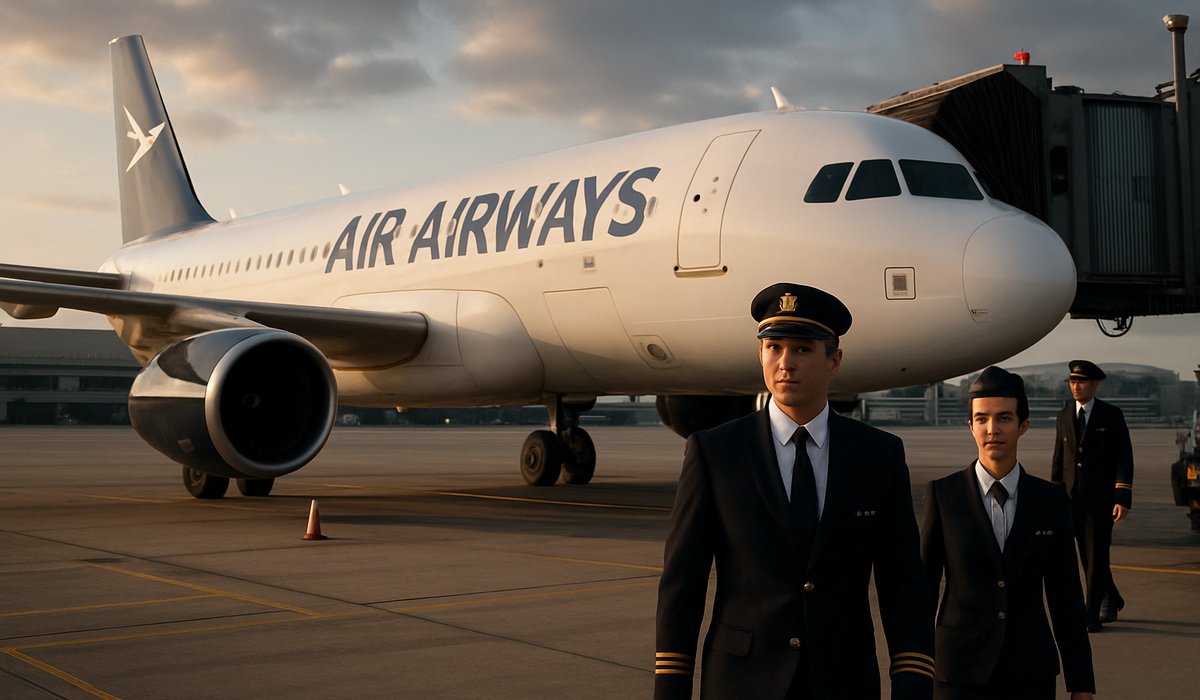
Image generated by AI
Understanding Airline Nomenclature: Why Carriers Choose "Airlines," "Airways," and "Air" Brands
The terminology behind aviation company names reveals marketing strategy rather than operational differences, industry experts confirm
The Naming Convention Puzzle
The aviation industry presents a curious branding phenomenon: competing carriers operate under strikingly different nomenclatures despite offering nearly identical services. Some operators adopt the "Airlines" designation, others embrace "Airways," while a select few employ the minimalist "Air" prefix. Yet these semantic distinctions mask a fundamental truth—they represent strategic marketing choices rather than meaningful operational differentiation.
Historical Context and Brand Identity
When commercial aviation emerged as a transformative transportation mode in the early 20th century, companies faced a blank slate for nomenclature. The terminology landscape evolved organically as different operators sought to establish brand identity within an unfamiliar industry. Some carriers leveraged "Airways" to emphasize route networks and infrastructure, while others adopted "Airlines" to highlight their fleet operations and passenger focus.
The decision to use "Air" as a standalone prefix emerged later, reflecting a modernization trend toward brevity and contemporary branding sensibilities. These naming conventions, however, crystallized primarily through marketing considerations rather than regulatory requirements or operational frameworks.
Marketing Over Substance
Industry analysts emphasize that carrier nomenclature serves exclusively as a brand positioning tool. A company's choice between "Airlines," "Airways," or "Air" influences consumer perception and market differentiation but carries no implications for fleet management, route scheduling, service quality, or revenue models.
"What an airline calls itself represents a conscious branding decision rather than a reflection of how the company actually operates," explains aviation marketing research. The terminology selection follows the same principles governing any consumer-facing business—establishing memorability, conveying professionalism, and differentiating from competitors within consumer consciousness.
Industry-Wide Standardization Trends
Contemporary aviation has witnessed gradual convergence toward preferred terminology, influenced by globalization and English-language market dominance. However, legacy operators frequently retain historical naming conventions, honoring founder decisions and brand heritage dating back decades.
The lack of regulatory prescriptions governing carrier nomenclature allows unprecedented flexibility. Unlike aircraft certification or safety protocols—which demand strict standardization—company names exist purely within the marketing and branding realm.
Implications for Travelers
For passengers, these nomenclature variations carry negligible practical significance. Service levels, baggage policies, fleet modernization, and operational safety remain independent of whether a carrier identifies as an "airline," "airways" operator, or "air" service provider.
Understanding this distinction helps travelers focus on relevant decision-making factors—route availability, pricing structures, and safety records—rather than assigning undue importance to corporate branding terminology.
FAQ: Common Questions About Airline Names
Q: Does calling a company "Airways" versus "Airlines" indicate different service quality? A: No. These names are purely marketing decisions and have no correlation with service standards, safety records, or passenger experience quality.
Q: Why do some historic carriers use "Airways" instead of "Airlines"? A: Legacy operators often retained original naming conventions from aviation's pioneering era, when "Airways" emphasized route networks and flight corridors as a novel infrastructure concept.
Q: Does an airline's name affect pricing or fees? A: Nomenclature has zero impact on pricing strategies. Ticket costs and baggage charges depend on market conditions, fuel expenses, and competitive positioning rather than company branding.
Q: Which naming convention is most common globally? A: "Airlines" has become the dominant standard in contemporary aviation, though numerous carriers maintain "Airways" and "Air" designations based on historical branding decisions.
Q: Should I choose airlines based on their name format? A: No. Select carriers based on route coverage, safety ratings, customer reviews, and pricing rather than nomenclature conventions.
Related Travel Guides
- Ethiopian Airlines Secures Record Ninth Consecutive SKYTRAX Best Airline in Africa Award at the 2026 World Airline Awards in London
- Boeing's Aging KC-135 Stratotanker Remains Critical to US Military Operations Despite Nearly Seven Decades in Service
- Virgin Atlantic's California Route Shuffle: San Francisco Gets Premium Upgrade While Los Angeles Faces Major Downgrade
Disclaimer
This article is for informational and educational purposes only. It does not constitute legal, financial, or professional advice. While we strive to provide accurate and up-to-date information, travel policies, regulations, and conditions change rapidly. Always verify information with official sources before making travel decisions. Nomad Lawyer makes no representations about the accuracy, reliability, completeness, or suitability of the information provided. Readers should consult qualified professionals for advice specific to their circumstances. The views expressed in this article are those of the author and do not necessarily reflect the views of Nomad Lawyer.
Raushan Kumar
Founder & Lead Developer
Full-stack developer with 11+ years of experience and a passionate traveller. Raushan built Nomad Lawyer from the ground up with a vision to create the best travel and law experience on the web.
Learn more about our team →