
UAE Imposes Urgent Travel Ban for Nationals to Iran, Iraq, and Lebanon Amid Regional Tensions
The UAE Ministry of Foreign Affairs has officially restricted Emirati nationals from traveling to Iran, Iraq, and Lebanon, urging those currently in these countries to return immediately due to regional instability.

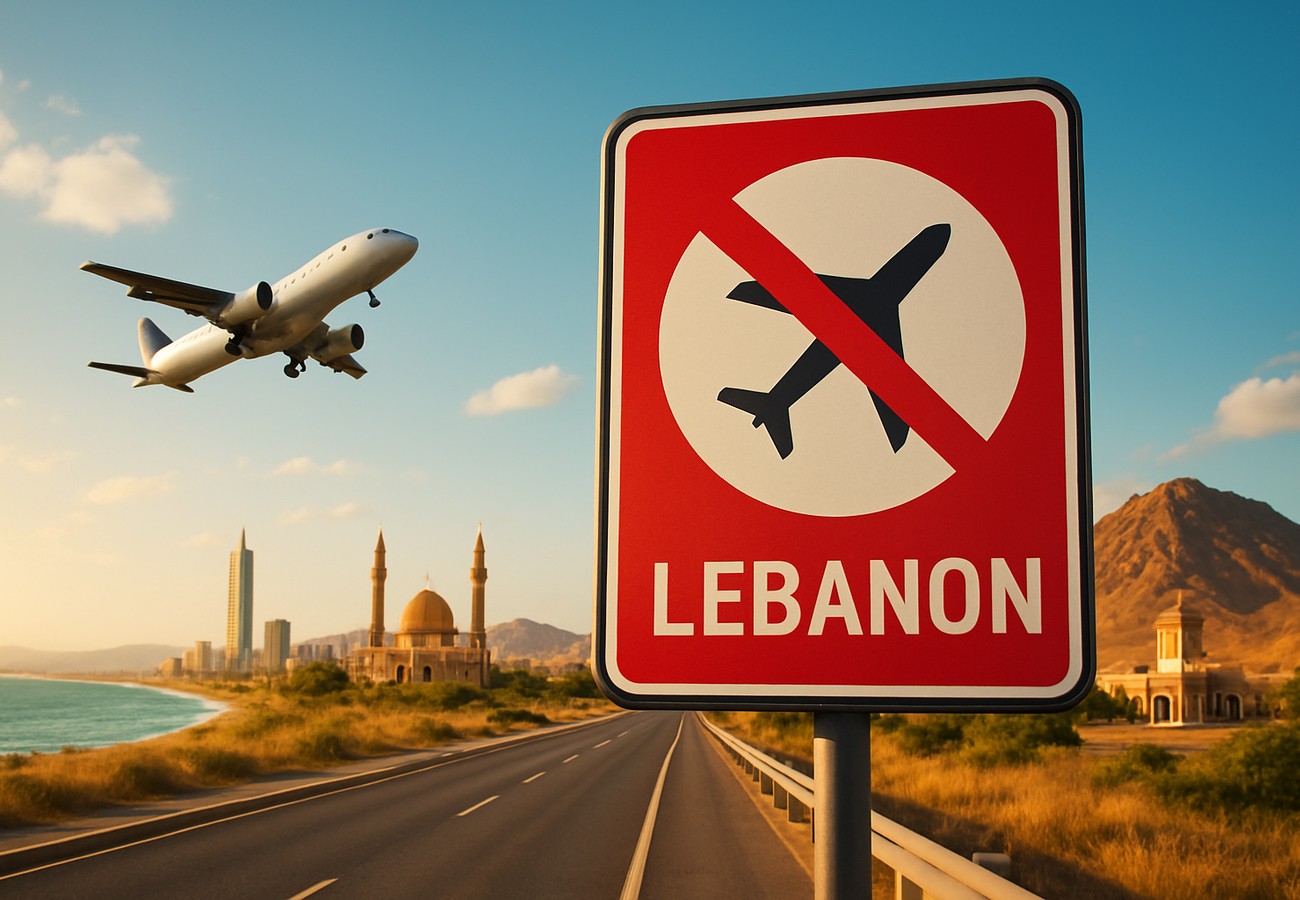
Image generated by AI
Quick Summary
- The United Arab Emirates (UAE) Ministry of Foreign Affairs (MoFA) has officially restricted Emirati nationals from traveling to Iran, Iraq, and Lebanon, effective immediately as of early May 2026.
- All UAE citizens currently residing in or visiting these three nations have been urged to return to the UAE immediately to ensure their safety amidst escalating regional geopolitical instability.
- The Ministry has established a dedicated 24/7 hotline (+97180044444) to provide emergency guidance and repatriation assistance for citizens currently in the affected zones.
- The proactive move is a preventive measure aimed at mitigating risks associated with political deadlock, armed conflicts, and shifting security dynamics across the Middle East.
In a decisive move to safeguard its citizens, the United Arab Emirates has formally imposed travel restrictions on its nationals visiting Iran, Iraq, and Lebanon.
The Ministry of Foreign Affairs (MoFA) issued the directive following a comprehensive risk assessment of the deteriorating security environment in these regions. The advisory, which initially surfaced on April 30, 2026, reflects the UAE's proactive diplomatic stance on national security and the protection of its diaspora.
Rationale: Security Dynamics in Iran, Iraq, and Lebanon
The MoFA emphasized that the ban is not merely a diplomatic gesture but a necessary preventive measure in light of several escalating factors:
1. Political Instability and Conflict: In Iraq, the ongoing friction between various political and religious factions continues to pose a high risk of sudden civil unrest. Similarly, Lebanon remains in the grip of a prolonged political deadlock and economic crisis, coupled with a fragile security environment exacerbated by extremist groups in neighboring territories.
2. Diplomatic Tensions: For Iran, the advisory highlights the complex diplomatic and security dynamics within the Gulf. Escalating regional tensions have made travel for foreign nationals increasingly unpredictable, prompting the UAE to prioritize the safety of its citizens above all business or leisure engagements.
Repatriation and Citizen Support
The UAE government has prioritized a seamless support system for those affected by the sudden restriction. Emiratis currently in the restricted nations are instructed to:
- Contact the Hotline: Citizens should call +97180044444 immediately for guidance.
- Register with MoFA: Ensure presence is documented for coordinated repatriation efforts.
- Monitor Official Channels: Stay updated via the Ministry’s verified social media and diplomatic alerts.
The UAE’s travel advisory system is globally recognized for its precision, and this latest update serves as a critical tool for risk management during times of crisis.
Impact on Travel Trends and Alternatives
Historically, Iran, Iraq, and Lebanon have been significant destinations for Emirati business ventures, family visits, and cultural tourism. However, the current security climate is forcing a shift in travel patterns.
Shift to Regional Alternatives: With the new restrictions in place, Emiratis are increasingly opting for safe, high-end alternatives within the Gulf Cooperation Council (GCC). The Red Sea resorts in Saudi Arabia have emerged as a primary beneficiary of this shift, offering world-class luxury and security within a short flight from the UAE.
Long-Term Vision and Tourism Safety
This temporary ban aligns with the broader goals of UAE Vision 2030, which emphasizes national security and responsible global engagement. By maintaining a clear and firm stance on citizen safety, the UAE reinforces its position as a global leader in foreign policy and maritime/aviation security.
As the regional situation evolves, the MoFA will continue to review these restrictions. For now, the focus remains on the immediate return of all UAE nationals and the prevention of any Emirati involvement in high-risk geopolitical zones.
FAQ: UAE Travel Restrictions 2026
Can UAE nationals travel to Iran, Iraq, or Lebanon right now? No. As of May 4, 2026, the UAE Ministry of Foreign Affairs has restricted all Emirati nationals from traveling to these three countries due to security concerns.
What should Emiratis currently in Lebanon or Iraq do? The Ministry has urged all nationals in these countries to return to the UAE immediately. They should contact the MoFA hotline at +97180044444 for assistance.
Is the ban permanent? The restrictions are described as a preventive measure in response to current regional instability. The MoFA regularly reviews travel advisories and will provide updates as security conditions improve.
Related Travel Guides
Disclaimer
This article is for informational and educational purposes only. It does not constitute legal, financial, or professional advice. While we strive to provide accurate and up-to-date information, travel policies, regulations, and conditions change rapidly. Always verify information with official sources before making travel decisions. Nomad Lawyer makes no representations about the accuracy, reliability, completeness, or suitability of the information provided. Readers should consult qualified professionals for advice specific to their circumstances. The views expressed in this article are those of the author and do not necessarily reflect the views of Nomad Lawyer.
Kunal K Choudhary
Co-Founder & Contributor
A passionate traveller and tech enthusiast. Kunal contributes to the vision and growth of Nomad Lawyer, bringing fresh perspectives and driving the community forward.
Learn more about our team →