
UAE Smart Tourism 2026: Abu Dhabi Sphere, Ras Al Khaimah Waterfronts, and Multi-Emirate Mega-Projects
The United Arab Emirates accelerates multi-emirate tourism with the $1.7B Sphere Abu Dhabi, Ras Al Khaimah waterfronts, and AI-driven guest platforms.

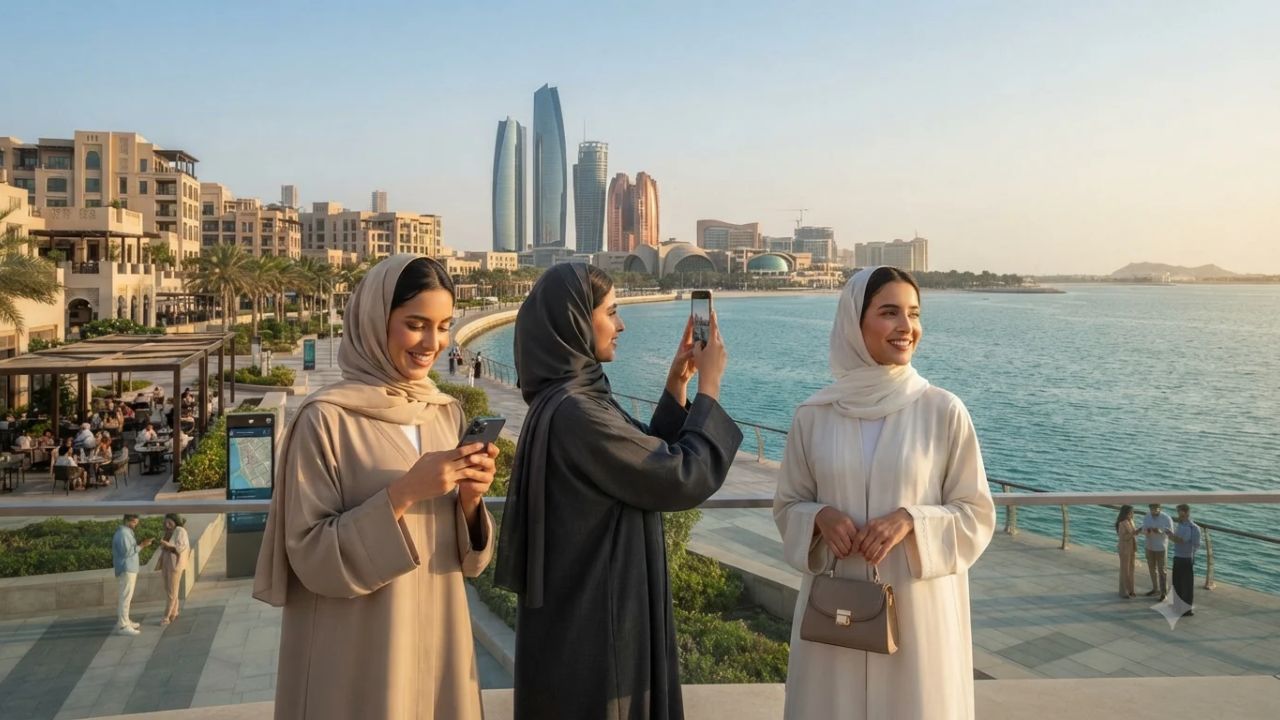
While most global visitors know the United Arab Emirates through Dubai's downtown core, over AED 12 billion ($3.27 billion) in new capital deployed across Abu Dhabi, Sharjah, and Ras Al Khaimah is transforming the nation into a multi-emirate playground linked by artificial intelligence and high-speed transit. Digital destination management systems and AI concierges have expanded the average international visitor length of stay by 18%, while regional airports scale multi-terminal capacities to process over 150 million passengers annually.
From the architectural debut of the $1.7 billion Sphere Abu Dhabi on Yas Island to the 2-kilometre eco-waterfront in Ras Al Khaimah and the AED 700 million ($191 million) Khorfakkan resort on the Gulf of Oman, the country is orchestrating a synchronized expansion of luxury, culture, and nature.
Multi-Emirate Capital Deployments: Abu Dhabi, Dubai, Sharjah, and Ras Al Khaimah
Rather than competing in isolation, the seven emirates are aligning their destination portfolios to offer complementary travel experiences:
Abu Dhabi: The $1.7 Billion Sphere and Yas Island Entertainment
Abu Dhabi is cementing its position as the region's premier cultural and entertainment hub through Visit Abu Dhabi. Yas Island will host the $1.7 billion Sphere Abu Dhabi, an architectural dome engineered for immersive audio-visual performances. Major developers have committed over AED 12 billion ($3.27 billion) in further strategic leisure investments on Yas Island over the next five years, complementing the nearby Saadiyat Cultural District.
Dubai: Public Coastal Upgrades and Al Layan Oasis
Dubai is directing AED 500 million ($136 million) into the comprehensive modernization of Umm Suqeim Beach via Visit Dubai, creating enhanced public coastal promenades with dedicated swimming and cycling zones. Concurrently, construction is advancing on the 1-million-square-metre Al Layan Oasis, an urban development merging botanical leisure spaces with high-end commercial hospitality.
Sharjah: East Coast Heritage and Marine Sanctuaries
Preserving coastal traditions, Sharjah officially opened the AED 700 million ($191 million) Khorfakkan Resort along its dramatic eastern coastline through Visit Sharjah. Work is also progressing on the 7-million-square-foot Abu Al Keizan Marine Village, dedicated to showcasing historic pearl diving heritage and local marine ecology.
Ras Al Khaimah: Sustainable Waterfronts and Adventure Trails
Northern emirate Visit Ras Al Khaimah is developing an expansive 2-kilometre waterfront destination built around sustainable leisure infrastructure, catering to eco-conscious travellers exploring the Hajar Mountains and Jebel Jais.
| Emirate & Location | Signature Mega-Project | Financial Allocation / Footprint | Target Focus & Traveler Experience |
|---|---|---|---|
| Abu Dhabi (Yas Island) | Sphere Abu Dhabi & Leisure Corridor | $1.7 billion (Sphere); AED 12 billion ($3.27B pipeline) | Immersive next-generation live entertainment and theme parks |
| Dubai (Umm Suqeim & Interior) | Umm Suqeim Beach & Al Layan Oasis | AED 500 million ($136M beach); 1M m² oasis | Luxury public beach access and master-planned recreational oases |
| Sharjah (East Coast & Marine) | Khorfakkan Resort & Abu Al Keizan | AED 700 million ($191M resort); 7M sq ft marine village | Heritage preservation, marine ecology, and coastal wellness |
| Ras Al Khaimah (Coastline) | Sustainable Waterfront Expansion | 2-kilometre waterfront development | Eco-conscious maritime recreation and adventure gateway |
Smart Tourism Technologies, Net-Zero Resorts, and Infrastructure
To manage multi-emirate traveller flows, the UAE has implemented digital innovations and environmental standards across its tourism infrastructure:
- Smart Tourism and AI Concierges: Unified municipal travel apps aggregate real-time crowd analytics, multilingual artificial intelligence assistance, and contactless payment networks. These systems have reduced wait times at major landmarks and elevated visitor satisfaction while increasing average stays by 18%.
- Aviation Gateway Capacity: Multi-terminal expansions across Dubai International, Zayed International Airport in Abu Dhabi, and regional airports provide handling capacity for over 150 million passengers annually with automated biometric border clearances.
- Net-Zero Resort Design: Over 45 new luxury properties and branded residential developments will introduce 12,000 premium guest rooms to the market. Mandatory sustainability regulations incorporate solar arrays, closed-loop water treatment, and zero-waste operational protocols, reducing carbon footprints by up to 40% per guest night.
- Gastronomy and Maritime Tourism: The culinary sector features over 100 Michelin-starred and celebrity-chef dining venues, with food festivals and artisanal markets generating $1.5 billion annually. Upgraded cruise ports now welcome more than 1 million cruise passengers per season across multiple simultaneous berths, while MICE venues accommodate over 100,000 convention delegates at a single time.
| Tourism Infrastructure Pillar | Scale & Performance Metric | Operational Impact on International Visitors |
|---|---|---|
| Aviation Transit Gateways | 150M+ annual passenger capacity | Biometric gates eliminate terminal bottlenecks during peak holiday waves |
| Upscale Hospitality Pipeline | 45+ luxury properties; 12,000+ premium keys | Adds bespoke suites and beachfront villas adhering to net-zero codes |
| Smart Destination Platforms | 18% increase in visitor length of stay | Real-time AI crowd monitoring reduces queuing times at major cultural sites |
| Gastronomic Economy | 100+ Michelin-rated venues; $1.5B market | Diverse dining choices spanning Emirati seafood to avant-garde cuisine |
| Cruise & MICE Capacities | 1M+ cruise guests; 100,000+ delegate capacity | Direct onshore excursions and international conference infrastructure |
Visitor Insider Tips
- Plan a Multi-Emirate Road Trip: Rent a car to travel between emirates; the drive from Dubai to Ras Al Khaimah takes only 75 minutes, while reaching Khorfakkan on the Gulf of Oman via the scenic tunnel highway takes under 90 minutes.
- Take Advantage of Cultural District Passports: In Abu Dhabi, combine visits to the Louvre Abu Dhabi, Abrahamic Family House, and upcoming Guggenheim Abu Dhabi on Saadiyat Island during weekday mornings to avoid weekend crowds.
- Explore Mountain Sunrises in Ras Al Khaimah: Book Jebel Jais mountain zip-line and hiking excursions for the 06:00 to 09:00 morning slot during the October to April season to experience cooler mountain temperatures and clear desert horizons.
- Experience Sharjah's Rain Room and Art Foundation: In the historical Heart of Sharjah district, pre-book timed tickets for the immersive Rain Room installation and explore the restored coral-stone merchant houses of Souq Al Shanasiyah.
Cultural and Environmental Context
The UAE's rapid tourism development represents a deliberate strategy to diversify away from petroleum revenues into knowledge and service economies. While mega-projects showcase technological innovation, parallel investments in archaeological digitization and historical preservation ensure that authentic Bedouin customs, date-palm oasis farming, and maritime pearl-diving heritage are protected.
On the environmental front, coastal developments must comply with strict marine ecology rules to prevent the destruction of natural coral reefs and mangrove forests. Projects like the Abu Al Keizan Marine Village in Sharjah and the Ras Al Khaimah waterfront are engineered with mangrove buffer zones and artificial reefs, balancing high-end leisure with habitat conservation.
FAQ: Visiting the UAE 2026
What is the best time of year to visit the UAE?
The ideal travel window runs from November through April, when daytime temperatures hover between 24°C and 28°C, providing perfect conditions for outdoor beaches, desert safaris, and mountain trekking.
How easy is it to travel between Abu Dhabi, Dubai, and the Northern Emirates?
Modern multi-lane highways (such as the E11 and E311) connect all seven emirates seamlessly. Air-conditioned intercity public buses, express coaches, and private ride-hailing services run frequently between major city centres.
Do I need separate visas for each emirate?
No. A single UAE tourist visa or visa on arrival grants unrestricted travel and movement across all seven emirates, including Abu Dhabi, Dubai, Sharjah, and Ras Al Khaimah.
What is the attire etiquette outside the major luxury resorts?
While luxury resort beaches and pool decks welcome standard swimwear, modest clothing covering shoulders and knees is required when visiting government buildings, traditional markets, and cultural heritage sites like the Sheikh Zayed Grand Mosque.
Related Travel Guides
- Middle East Travel Advisory 2026: Qatar, UAE, and Saudi Arabia Security Guidance
- South Australia Tourism 2026: Regional Wine Corridors and $14 Billion Roadmap
- Eurasian Middle Corridor and Silk Road Transit Security Guide 2026
- Eastern Europe Travel 2027: Bieszczady Trails and Slow Rail Expeditions
Combining billion-dollar entertainment domes with quiet coastal heritage and net-zero desert retreats, the UAE's multi-emirate vision sets a new benchmark for modern travel.
Disclaimer
This article is for informational and educational purposes only. It does not constitute legal, financial, or professional advice. While we strive to provide accurate and up-to-date information, travel policies, regulations, and conditions change rapidly. Always verify information with official sources before making travel decisions. Nomad Lawyer makes no representations about the accuracy, reliability, completeness, or suitability of the information provided. Readers should consult qualified professionals for advice specific to their circumstances. The views expressed in this article are those of the author and do not necessarily reflect the views of Nomad Lawyer.
Preeti Gunjan
Contributor & Community Manager
A passionate traveller and community builder. Preeti helps grow the Nomad Lawyer community, fostering engagement and bringing the reader experience to life.
Learn more about our team →