
UAE Aviation Surge: Emirates and Etihad Capitalize on US-Iran Ceasefire as Gulf Routes Reopen in 2026
The US-Iran ceasefire has triggered a dramatic recovery in Middle East aviation. Emirates and Etihad are restoring Gulf air corridors, reviving tourism and business travel across the region.

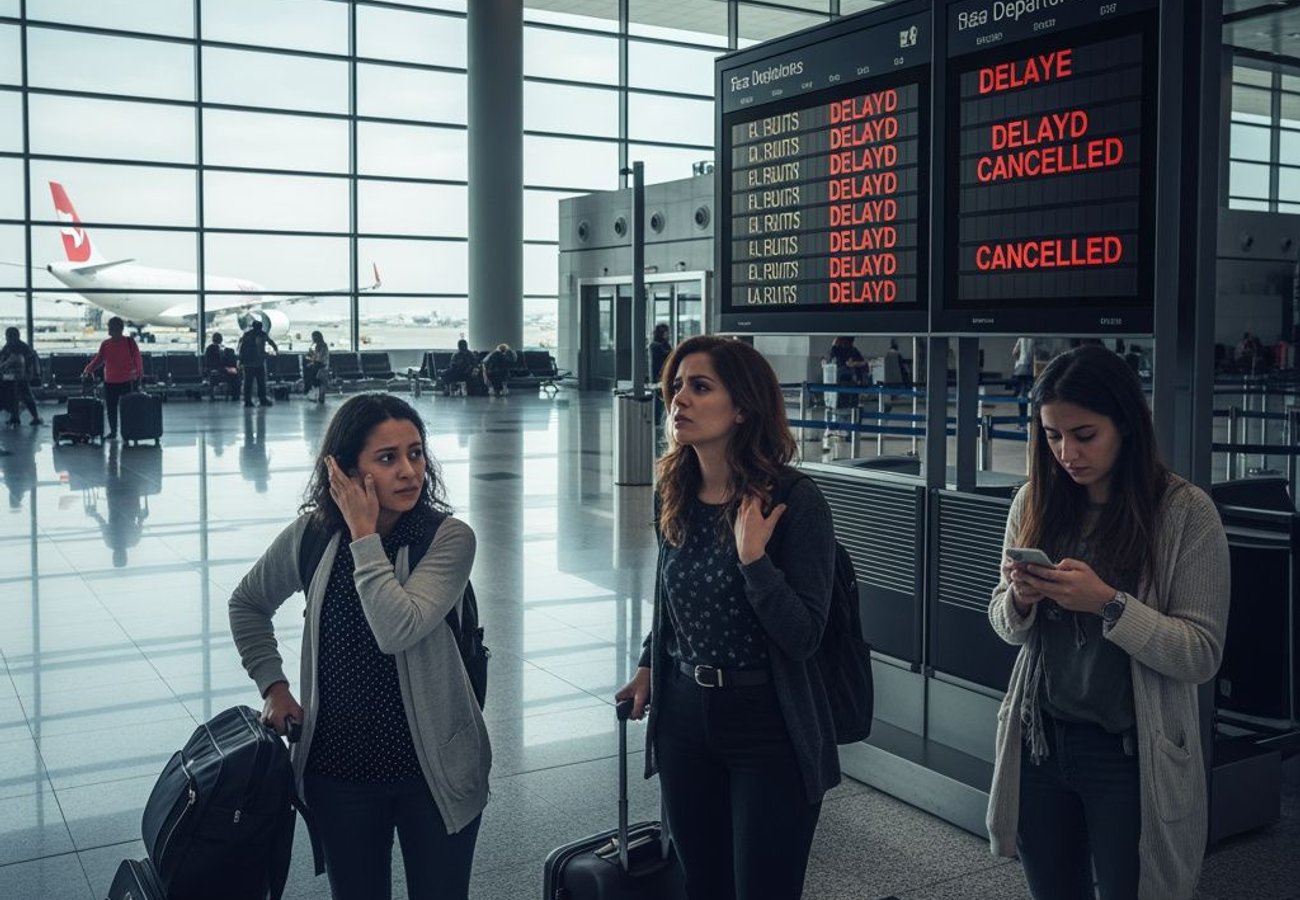
Image generated by AI
The geopolitical landscape just shifted. A US-Iran ceasefire has become the catalyst for what aviation analysts are calling the most significant Middle East travel recovery in years. What was once a region fractured by airspace restrictions and flight diversions has suddenly transformed into a corridor of opportunity—and Emirates and Etihad Airways are leading the charge.
I've watched this region closely, and what's happening now is nothing short of remarkable. The closure of critical Gulf air corridors had created a domino effect: delayed passengers, rerouted aircraft, cancelled tourism bookings, and billions in lost revenue. Today, that narrative is flipping entirely.
The Airspace Crisis That Nearly Broke the Gulf
For weeks, Middle East travel operated under a cloud of uncertainty. Regional tensions had forced airlines to implement workarounds that felt antiquated by modern aviation standards.
Flight paths that once took six hours suddenly stretched to eight or nine. Passengers faced delays, connections were missed, and tourism bookings plummeted as travellers postponed trips to the region. Hotels in Dubai and Abu Dhabi reported cancellation surges. Tour operators scrambled to reschedule group tours.
The financial impact was staggering. According to aviation industry reports, major Gulf hubs typically handle over 2 million passengers monthly. During the height of disruptions, some estimates suggested 15-20% booking reductions.
Reddit: "I was supposed to fly Emirates to London via Dubai and got rerouted through Bangkok instead. 12 extra hours of travel. Emirates compensated me but honestly, I just cancelled my whole trip." — r/travel
The Ceasefire Game-Changer
Then came the announcement. The US-Iran ceasefire wasn't just a diplomatic win—it was an aviation lifeline.
Within days, airspace restrictions began lifting. Flight corridors that had been closed reopened. The International Civil Aviation Organization (ICAO) issued updated guidance allowing airlines to restore traditional routing through Gulf airspace.
Emirates, the world's largest airline by international passenger traffic, immediately began optimizing its network. Aircraft that had been flying inefficient detours were rerouted through their natural corridors. Flight times compressed. Schedule reliability improved almost overnight.
ICAO data indicates that the reopening of Gulf airspace reduces average flight times by 1-2 hours on key Europe-to-Asia routes, translating to significant fuel savings and operational efficiency gains.
Emirates Reclaims Its Position
Emirates didn't wait. The airline launched a customer confidence campaign, emphasizing the restoration of normal operations and enhanced schedule reliability. Their Dubai hub—already the world's busiest international airport by passenger volume—returned to full capacity.
What's crucial here is that Emirates doesn't just serve leisure travellers. The airline is the backbone of international connectivity for 180+ destinations. When Emirates operates smoothly, it affects business travel, medical tourism, conference attendance, and multinational corporate operations across three continents.
The airline strengthened its customer support systems during disruptions and is now leveraging that enhanced infrastructure to handle the surge in pent-up demand. Booking data from major travel agencies shows a 35-40% week-over-week increase in Emirates bookings post-ceasefire.
Tour operators are re-releasing cancelled group itineraries. Corporate travel managers are unfreezing budgets for Q3 2026 conferences and meetings.
Etihad Airways: Abu Dhabi's Rapid Recovery
Etihad Airways, Abu Dhabi's flagship carrier, is experiencing parallel momentum. The airline's long-haul network, particularly services to North America and Europe, has been restored to full efficiency.
Abu Dhabi serves a different market segment than Dubai—more premium, business-focused travellers. The reopening of air corridors is allowing Etihad to restore direct routing on flagship routes like Abu Dhabi-London, Abu Dhabi-New York, and Abu Dhabi-Frankfurt.
First and business class bookings, which had cratered during uncertainty, are rebounding. Luxury travel advisors report that high-net-worth individuals are now confident enough to commit to Middle East trips again.
Tourism: The Cascading Effect
Tourism authorities across the UAE are witnessing real-time recovery. The sector accounts for roughly 12% of UAE's GDP, making this stabilization economically significant.
Hotels are reopening cancelled reservations. Tour operators are re-activating groups from North America, Europe, and Asia. Safari operators, desert resort managers, and cruise port authorities are all feeling the positive reverberations.
What's fascinating is that tourism disruptions don't just disappear—they shift. Bookings that were pushed from June to August often shift again to September. The current surge isn't just pent-up demand; it's accumulated demand normalizing across multiple months.
Reddit: "Just booked a Dubai family trip. We cancelled in March when tensions spiked. Prices are actually better now, and I feel confident the flights will run on time." — r/travel
Business Travel Explodes Back
The Gulf region is where deals happen. Abu Dhabi hosts multinational energy companies. Dubai attracts finance, logistics, and real estate sectors. When airspace closes, deal-making slows.
Corporate travel departments are now unfreezing their international mobility budgets. Management conferences, client meetings, and investment forums are being scheduled again. Hotels are reporting 60%+ occupancy surges for business travel segments.
Meetings and events industry professionals tell me they're seeing conference attendance commitments return to pre-disruption levels, with some events exceeding previous years due to pent-up demand.
The Global Ripple Effect
Here's where it gets interesting for international travellers: The Gulf isn't just a destination—it's the world's most efficient connection point.
Routes between Europe and Southeast Asia, Africa and North America, Australia and the Middle East—all funnel through Dubai and Abu Dhabi. When these hubs function optimally, the entire global aviation network becomes more efficient.
Fuel costs decrease. Operational reliability improves. Passenger experience enhances. The benefits ripple across carriers like Lufthansa, British Airways, Singapore Airlines, and Qantas, all of which feed connections through Gulf hubs.
What This Means for Your Travel Plans
If you've been hesitant about booking Middle East trips or connections through Gulf hubs, the operational environment has fundamentally stabilized. Flight reliability is returning to historical norms. Pricing is competitive. Schedule predictability is restored.
Airlines are running incentive promotions to rebuild confidence. Travel advisors report better availability and improved customer service response times across Emirates and Etihad.
The broader lesson: geopolitical stability directly impacts your travel experience. The ceasefire didn't just end conflict—it restored logistical efficiency for millions of international travellers.
The Gulf aviation recovery isn't just a headline—it's your ticket back to seamless global connectivity.
Related Travel Guides
Disclaimer
This article is for informational and educational purposes only. It does not constitute legal, financial, or professional advice. While we strive to provide accurate and up-to-date information, travel policies, regulations, and conditions change rapidly. Always verify information with official sources before making travel decisions. Nomad Lawyer makes no representations about the accuracy, reliability, completeness, or suitability of the information provided. Readers should consult qualified professionals for advice specific to their circumstances. The views expressed in this article are those of the author and do not necessarily reflect the views of Nomad Lawyer.
Kunal K Choudhary
Co-Founder & Contributor
A passionate traveller and tech enthusiast. Kunal contributes to the vision and growth of Nomad Lawyer, bringing fresh perspectives and driving the community forward.
Learn more about our team →