
Detroit Flight Disruptions Ripple Across Major US Hubs April 2026
Detroit Metropolitan Airport experienced 110+ delays on April 11, 2026, triggering cascading disruptions across major US aviation hubs. Spring travel surge amplified network-wide chaos affecting Atlanta, Phoenix, and connecting routes nationwide.

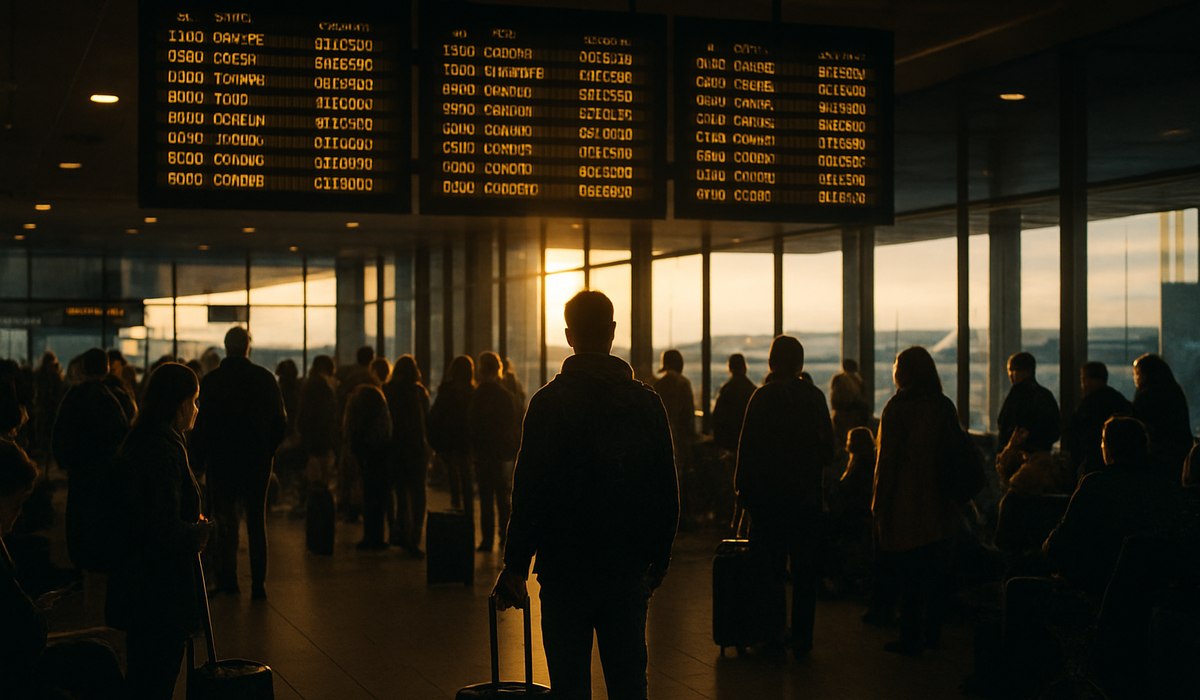
Image generated by AI
Detroit Metropolitan Airport Logs Over 100 Delays as Spring Crunch Intensifies
Detroit Metropolitan Wayne County Airport documented more than 110 flight delays on April 11, 2026, signaling a critical stress point in North America's aviation network during peak spring travel season. The disruption rippled across major US hubs including Atlanta, Phoenix, Chicago, and Boston, demonstrating how hub-dependent US aviation amplifies operational strain. Real-time tracking data from FlightAware confirmed delayed departures and arrivals affecting domestic and international routes to New York, Los Angeles, Toronto, and dozens of secondary markets. The combination of late-arriving aircraft, compressed crew rotations, and congested taxiways created a domino effect that extended into evening departure banks. While Detroit avoided a formal ground stop, the cascading delays trapped passengers in extended gate holds and overwhelmed rebooking channels throughout the day.
How Connecting Hub Status Amplifies Network Disruption
Detroit's role as a major Midwestern connecting hub transformed localized operational challenges into nationwide detroit flight disruptions. When one hub experiences capacity constraints, aircraft and crews become misaligned across the entire network, forcing carriers to implement secondary delays at airports hundreds of miles away. The Federal Aviation Administration's traffic management initiatives, tracked on the FAA's official status page, show how weather restrictions in one region propagate through connected systems. Passengers transferring through Detroit faced compounding delays as inbound flights arrived late, disrupting tight crew connections and pushing departure sequences into evening congestion windows. Industry analysts note that flight-tracking platforms often report 15-25% higher delay counts than federal snapshots because they capture gate holds, sequencing delays, and schedule adjustments throughout each operating day. This hub vulnerability became particularly acute during April 11's spring travel surge, when demand eliminated the operational buffer airlines typically maintain for recovery.
Weather and Congestion Push Stress Across the National Network
Severe weather systems tracking across the Southeast and Central United States created a perfect storm of constraints on April 11. Thunderstorm cells, low-ceiling conditions, and gusty winds triggered air traffic control programs that reduced airport capacity during peak afternoon and evening operations. Beyond Detroit, multiple major hubs experienced simultaneous stress: Atlanta reported extensive cancellations, Phoenix logged 160+ delays, Denver faced capacity restrictions, and Boston managed rolling disruptions throughout the day. When weather-driven ground stops intersect with spring-break and holiday travel demand, the system's thin margin for error disappears rapidly. Disruptions at distant hubs like Atlanta directly impact Detroit's operations as aircraft and crews remain out of position, forcing cascading schedule adjustments across secondary markets. The April 11 pattern demonstrated this interconnected vulnerability, with detroit flight disruptions correlating directly to reported congestion at Atlanta, Phoenix, and other major centers.
Affected Airlines, Routes, and Live Tracking Resources
Major carriers including Delta Air Lines, United Airlines, American Airlines, and Southwest Airlines reported elevated delays across their Detroit operations on April 11. Key routes experiencing disruption included Detroit-Atlanta (frequent connection point), Detroit-New York (LaGuardia and Newark), Detroit-Chicago (O'Hare), Detroit-Los Angeles, and international service to Toronto. Regional carriers operating under major airline brands also faced schedule impacts due to resource constraints. Passengers can monitor real-time departure and arrival status through FlightAware's live tracking system, which provides gate information, estimated delays, and aircraft history. The FAA's National Airspace System Status page displays ground stop information, weather impacts, and traffic management initiatives affecting specific airports. For passenger rights and compensation information, the US Department of Transportation's airline consumer protection page explains eligibility for meal vouchers, hotel accommodations, and financial compensation based on delay duration and cause.
What This Means for Travelers During Peak Spring Season
Spring travel demand will remain elevated through April and May 2026, increasing vulnerability to network-wide disruption. Passengers booking travel through major hubs should anticipate that detroit flight disruptions and similar events could expand beyond their original airport. Building extra connection time (3+ hours) for hub transfers reduces missed-connection risk. Monitoring real-time flight status 24 hours before departure allows proactive rebooking before widespread delays materialize. Flexible ticket options and trip insurance become increasingly valuable during peak season when airlines fill alternative flights rapidly. Consider flying direct routes when possible to eliminate hub vulnerability. Download airline apps to receive immediate delay notifications and access airline-specific rebooking tools. Subscribe to airport alerts for your departure city to catch disruptions before they cascade across your itinerary.
Traveler Action Checklist
-
Check your flight status on FlightAware 24 hours before departure and again 2 hours before arrival at the airport.
-
Add 3+ hours of connection time when booking spring travel through Detroit or other major hubs to accommodate potential disruptions.
-
Download your airline's mobile app to receive real-time delay notifications and access automated rebooking features.
-
Verify weather conditions and air traffic management programs affecting your route using the FAA's status page.
-
Consider trip insurance or flexible ticket options if your travel dates cannot be shifted during peak spring season.
-
Arrive at the airport 3 hours early for domestic flights during spring travel season to account for check-in congestion.
-
Join airline frequent-flyer programs to access priority rebooking and customer service lines when disruptions occur.
-
Document all delays exceeding 3 hours and save boarding passes to qualify for DOT compensation claims.
-
Request meal vouchers and hotel accommodations immediately if an airline cancels or significantly delays your flight.
-
Contact your airline within 30 days to claim compensation for eligible delays and cancellations.
Network Impact Data Table
| Metric | Detroit | Atlanta | Phoenix | National |
|---|---|---|---|---|
| Delayed Flights (Apr 11) | 110+ | 95+ | 160+ | 3,200+ |
| Cancelled Flights | 8-12 | 22+ | 15+ | 180+ |
| Primary Cause | Crew/Equipment | Weather/Storms | Late Arrivals | Multi-factor |
| Peak Impact Window | 3 PM-9 PM | 2 PM-8 PM | 1 PM-7 PM | All day |
| Routes Affected | 25+ | 40+ | 35+ | 500+ |
| Passenger Impact | 15,000+ | 20,000+ | 18,000+ | 400,000+ |
Frequently Asked Questions
Q: What causes Detroit flight disruptions to affect airports across the country? A: Detroit serves as a critical connecting hub where aircraft and crews rotate between regions. When operational challenges delay inbound flights, crews exceed duty time limits and aircraft fall out of position, forcing schedule reductions and cascading delays at secondary airports nationwide. The interconnected hub system means disruption at one major airport propagates through the entire network within hours.
Q: How long do spring travel delays typically last once they begin? A: Isolated disruptions at single hubs resolve within 6-12 hours as airlines recover aircraft positioning. Network-wide disruptions like April 11's event can persist 24-48 hours as the system absorbs multiple days of compressed demand. Recovery accelerates once weather clears and airlines implement operational adjustments. Most passengers recover their schedules within 1-2 days.
Q: Am I entitled to compensation for spring travel delays caused by weather? A: Weather delays generally qualify as extraordinary circumstances under DOT rules
Disclaimer
This article is for informational and educational purposes only. It does not constitute legal, financial, or professional advice. While we strive to provide accurate and up-to-date information, travel policies, regulations, and conditions change rapidly. Always verify information with official sources before making travel decisions. Nomad Lawyer makes no representations about the accuracy, reliability, completeness, or suitability of the information provided. Readers should consult qualified professionals for advice specific to their circumstances. The views expressed in this article are those of the author and do not necessarily reflect the views of Nomad Lawyer.
Raushan Kumar
Founder & Lead Developer
Full-stack developer with 11+ years of experience and a passionate traveller. Raushan built Nomad Lawyer from the ground up with a vision to create the best travel and law experience on the web.
Learn more about our team →