
UAE and Qatar Advance Smart Mobility and AI Infrastructure as GCC Travel Technology Enters New Phase
UAE and Qatar Advance Smart Mobility and AI Infrastructure as GCC Travel Technology Enters New Phase

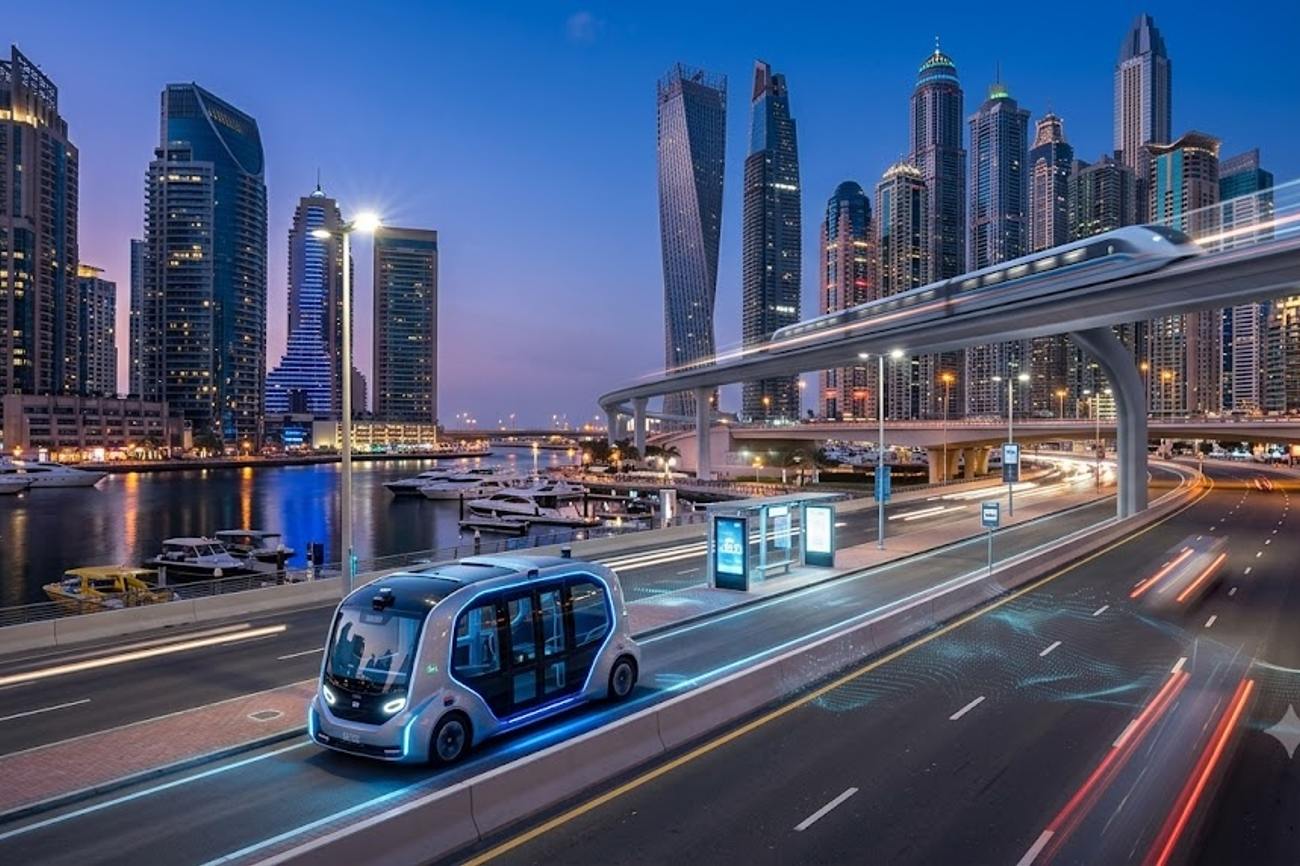
Image generated by AI
[Dubai, November 2026] — The Gulf Cooperation Council (GCC) is accelerating a massive overhaul of regional mobility, centering its November 2026 agenda on the integration of cross-border rail, a unified tourist visa, and AI-driven smart transport.
The strategic push involves a series of high-level summits and technical meetings across the United Arab Emirates and Qatar. These sessions aim to dissolve the regulatory and physical barriers currently separating the six member states, shifting the region toward a synchronized digital and transport ecosystem.
The November 2026 Integration Calendar
The GCC has scheduled a dense sequence of events designed to align national policies with regional goals. The focus is split between legislative frameworks for rail and the deployment of smart-city technologies.
| Event | Date | Location | Primary Focus |
|---|---|---|---|
| Digital Transformation Summit UAE | November 4 | Abu Dhabi | Digital public services & infrastructure |
| GCC Rail Framework Meeting | November 8 | TBD | Cross-border rail legislation & regulation |
| Future Innovation Summit | November 10–11 | TBD | Emerging tech (Networking until Nov 13) |
| EV World 2026 | November 10–12 | Dubai World Trade Centre | Electric mobility & AI automation |
| Smart City Expo Doha | November 25–26 | Doha | Urban mobility & smart city systems |
The Push for a Unified GCC Rail Network
On November 8, transport ministers will convene for a critical legislative meeting to address the technical bottlenecks stalling the regional rail network. This initiative seeks to connect Bahrain, Oman, Qatar, Kuwait, Saudi Arabia, and the United Arab Emirates via a single, interoperable system.
The challenge extends beyond physical tracks. To make the network viable for passengers and freight, the Gulf Cooperation Council must synchronize:
- Technical Standards: Aligning gauge and electrification across borders.
- Border Protocols: Streamlining customs and identity checks to prevent bottlenecks.
- Digital Systems: Creating unified ticketing, real-time timetable coordination, and data exchange protocols between national authorities.
If successful, this network will provide a legitimate alternative to short-haul flights and road travel, enabling tour operators to build multi-country itineraries that were previously logistically difficult.
The "Grand Tours" Unified Visa Initiative
Parallel to the rail project is the technical preparation for a unified GCC tourist visa. This system is designed to replace the current requirement for travelers to apply for separate visas for each member state.
Technical teams are currently focusing on the alignment of digital portals and the synchronization of national security databases. The goal is to allow eligible visitors to move seamlessly between hubs like Riyadh, Doha, Dubai, and Muscat.
While this would drastically reduce administrative friction, the World Tourism Organization notes that such regional schemes still require strict adherence to individual national security laws. Travelers will still be subject to specific entry conditions and permitted stay durations defined by the final framework.
AI and the Future of Gulf Mobility
The EV World 2026 conference in Dubai (November 10–12) highlights a shift toward AI-enabled transport. The focus is not merely on electric cars, but on the "ecosystem" required to support them.
Key areas of development include:
- Fleet Automation: AI-driven route planning and predictive maintenance for commercial transport.
- Smart Infrastructure: Integrating charging networks with city-wide data grids to manage energy loads.
- Autonomous Transit: Testing the regulatory and safety frameworks required for driverless vehicles in urban centers.
For the hospitality sector, this shift means airports and hotels must rapidly scale their charging infrastructure to accommodate a surge in electric rental fleets and private EV travel.
What This Means for Travelers
For the average traveler or digital nomad, these developments translate into three primary shifts in how the region is accessed:
- Simplified Entry: Once the unified visa is operational, the "friction" of visiting multiple Gulf states vanishes. You will no longer need to manage six different visa applications for one trip.
- New Transit Modes: The rail initiative suggests a future where you can travel from Dubai to Riyadh or Doha to Muscat via train, reducing reliance on regional airlines and budget carriers.
- Tech-Driven Urban Travel: Visitors to Dubai and Doha will encounter increasingly autonomous "last-mile" transport options, from AI-shuttles to integrated smart-city mobility apps that coordinate taxis, trains, and EVs in one interface.
Warning: None of these systems are fully operational today. The November meetings are for frameworks and technical alignment. Travelers should continue using existing visa processes and flight bookings until official launch dates are announced by national governments.
Next Steps for Regional Integration
The outcomes of the November 25–26 Smart City Expo in Doha will likely signal the final technical requirements for the 2027 rollout of integrated services. The immediate priority for the GCC is the "Digital Portal Alignment," which is the prerequisite for both the unified visa and the integrated rail ticketing system.
Industry analysts expect the first tangible results of these meetings to appear in the form of bilateral "pilot" programs—such as a single-visa corridor between two specific countries—before the full six-nation system goes live.
FAQ: GCC Travel Integration 2026
Can I apply for the unified GCC visa right now? No. The November 2026 meetings are focused on technical preparations and database alignment. You must still apply for individual visas through the official immigration portals of each country you plan to visit.
Will the GCC rail network replace flights between Gulf cities? It will provide a competitive alternative for mid-distance travel. While flights will remain faster for long leaps, the rail network aims to make multi-city tourism and freight movement more sustainable and efficient.
How will AI affect my transport in Dubai or Doha? Expect more autonomous shuttles and AI-managed traffic systems that reduce congestion. For travelers, this means more integrated mobility apps that sync all transport modes into a single digital payment and routing system.
Which countries are included in the rail and visa integration? The initiative covers the six GCC member states: Saudi Arabia, United Arab Emirates, Qatar, Kuwait, Oman, and Bahrain.
The Gulf is moving from a collection of connected hubs to a single, integrated mobility zone.
#GCCRail2026 #UnifiedGCCVisa #EVWorldDubai #SmartCityDoha #GulfMobility #DXB_DOH_RUH_2026
Related Travel Guides
Disclaimer
This article is for informational and educational purposes only. It does not constitute legal, financial, or professional advice. While we strive to provide accurate and up-to-date information, travel policies, regulations, and conditions change rapidly. Always verify information with official sources before making travel decisions. Nomad Lawyer makes no representations about the accuracy, reliability, completeness, or suitability of the information provided. Readers should consult qualified professionals for advice specific to their circumstances. The views expressed in this article are those of the author and do not necessarily reflect the views of Nomad Lawyer.
Naina Thakur
Contributor & Travel Specialist
Travel enthusiast and legal writer covering visa regulations, responsible tourism, and cultural journeys across global destinations.
Learn more about our team →