
Turkish Airlines Suspends Service to 23 Global Destinations Amid Fuel Cost Crisis
Breaking airline news and aviation industry updates for 2026.

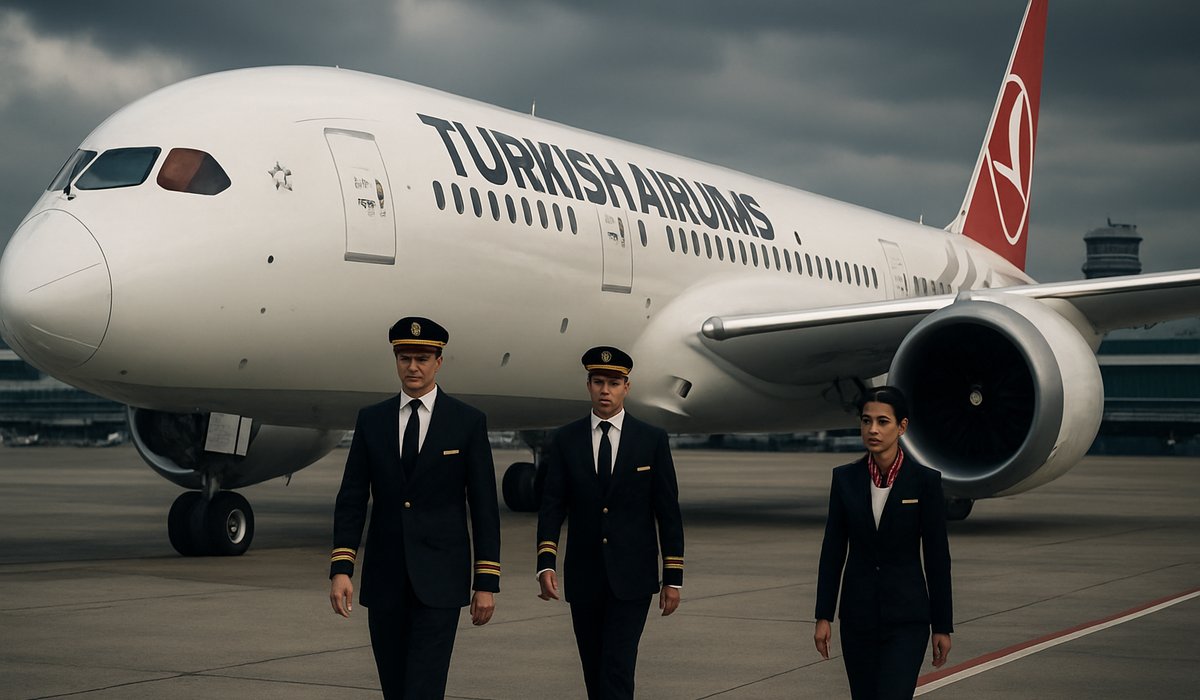
Image generated by AI
Turkish Airlines Suspends Service to 23 Global Destinations Amid Fuel Cost Crisis
Geopolitical tensions and volatile jet fuel prices force carrier to scale back operations across multiple continents
Breaking: Major Route Cuts Signal Industry-Wide Pressure
Turkish Airlines, the world's largest carrier by country reach, has announced the suspension of flights to 23 destinations worldwide, marking a significant contraction in its expansive global network. The suspensions, primarily classified as temporary measures through May and June, underscore the mounting financial pressures facing international aviation as energy costs remain elevated due to regional geopolitical instability.
The move comes amid a broader crisis affecting airline profitability across the sector, with volatile jet fuel prices—a critical operational expense—squeezing margins and forcing carriers to rationalize their route portfolios.
Fuel Costs and Middle East Tensions Drive Strategic Retreat
The primary driver behind Turkish Airlines' network reduction is the escalating cost and constrained supply of jet fuel, exacerbated by Middle Eastern tensions. Global aviation has faced persistent fuel price volatility since geopolitical conflicts emerged in the region, creating an unpredictable cost environment for carriers dependent on long-haul operations.
Turkish Airlines, which operates one of the most geographically diverse networks in commercial aviation, serves more countries than any competitor—a distinction that has required significant capital investment. However, maintaining such an expansive footprint has become untenable under current fuel market conditions, forcing the Istanbul-based carrier to make difficult operational decisions.
Temporary Rather Than Permanent Restructuring
Turkish Airlines has signaled that most suspensions are temporary in nature, with service expected to resume following the May-June period. This distinction is crucial, as it suggests the carrier views current conditions as cyclical rather than structural. The airline has not provided a comprehensive public list of all 23 affected destinations, though industry observers expect the reductions to focus on lower-capacity routes with marginal profitability.
The decision reflects a broader industry pattern: as jet fuel prices remain elevated relative to historical averages, carriers systematically evaluate route economics and eliminate services that fail to generate sufficient revenue coverage relative to operational costs.
Implications for Global Aviation Market
The suspensions carry significance beyond Turkish Airlines' operations. As one of aviation's most aggressive network expansionists, any contraction by the carrier signals intensifying cost pressures throughout the industry. Other airlines, particularly those with high exposure to fuel hedging costs and international operations, face similar profitability challenges.
Industry analysts expect further route rationalization announcements from other carriers as fuel prices remain volatile. The interconnection between geopolitical stability, energy markets, and airline route planning has become increasingly pronounced, establishing fuel cost management as a central strategic consideration for 2025.
Frequently Asked Questions
What is causing airline fuel costs to increase? Geopolitical tensions in the Middle East have disrupted jet fuel supply chains and created market volatility, pushing kerosene prices higher and increasing operational expenses for international carriers.
Are Turkish Airlines' suspensions permanent? No. Turkish Airlines has classified most suspensions as temporary, with service expected to resume in June or July, contingent on improved fuel market conditions.
How do jet fuel prices affect airline baggage fees and ticket prices? Rising fuel costs squeeze profit margins, forcing airlines to increase ancillary charges (baggage fees, seat selection) and ticket prices to maintain financial viability.
Which airlines are most vulnerable to fuel price volatility? Long-haul carriers with extensive international networks and limited fuel hedging contracts face the greatest exposure to fuel price swings.
Will other airlines suspend routes due to fuel costs? Yes. Industry observers expect broader route rationalization announcements from competing carriers facing similar margin pressures from elevated jet fuel expenses.
Related Travel Guides
Flight Delay Compensation Guide 2026
Understanding Airline Route Changes
Airport Security Process Updated (2026)
External Resources
Disclaimer
This article is for informational and educational purposes only. It does not constitute legal, financial, or professional advice. While we strive to provide accurate and up-to-date information, travel policies, regulations, and conditions change rapidly. Always verify information with official sources before making travel decisions. Nomad Lawyer makes no representations about the accuracy, reliability, completeness, or suitability of the information provided. Readers should consult qualified professionals for advice specific to their circumstances. The views expressed in this article are those of the author and do not necessarily reflect the views of Nomad Lawyer.
Raushan Kumar
Founder & Lead Developer
Full-stack developer with 11+ years of experience and a passionate traveller. Raushan built Nomad Lawyer from the ground up with a vision to create the best travel and law experience on the web.
Learn more about our team →