
Tunisia Tourism Hits Record 11 Million Visitors in 2025 with Revenue Surpassing 8 Billion Dinars
Tunisia has shattered previous tourism records, welcoming over 11 million visitors in 2025 and generating 8.0969 billion dinars in revenue as the nation pivots toward high-end cultural and desert tourism.

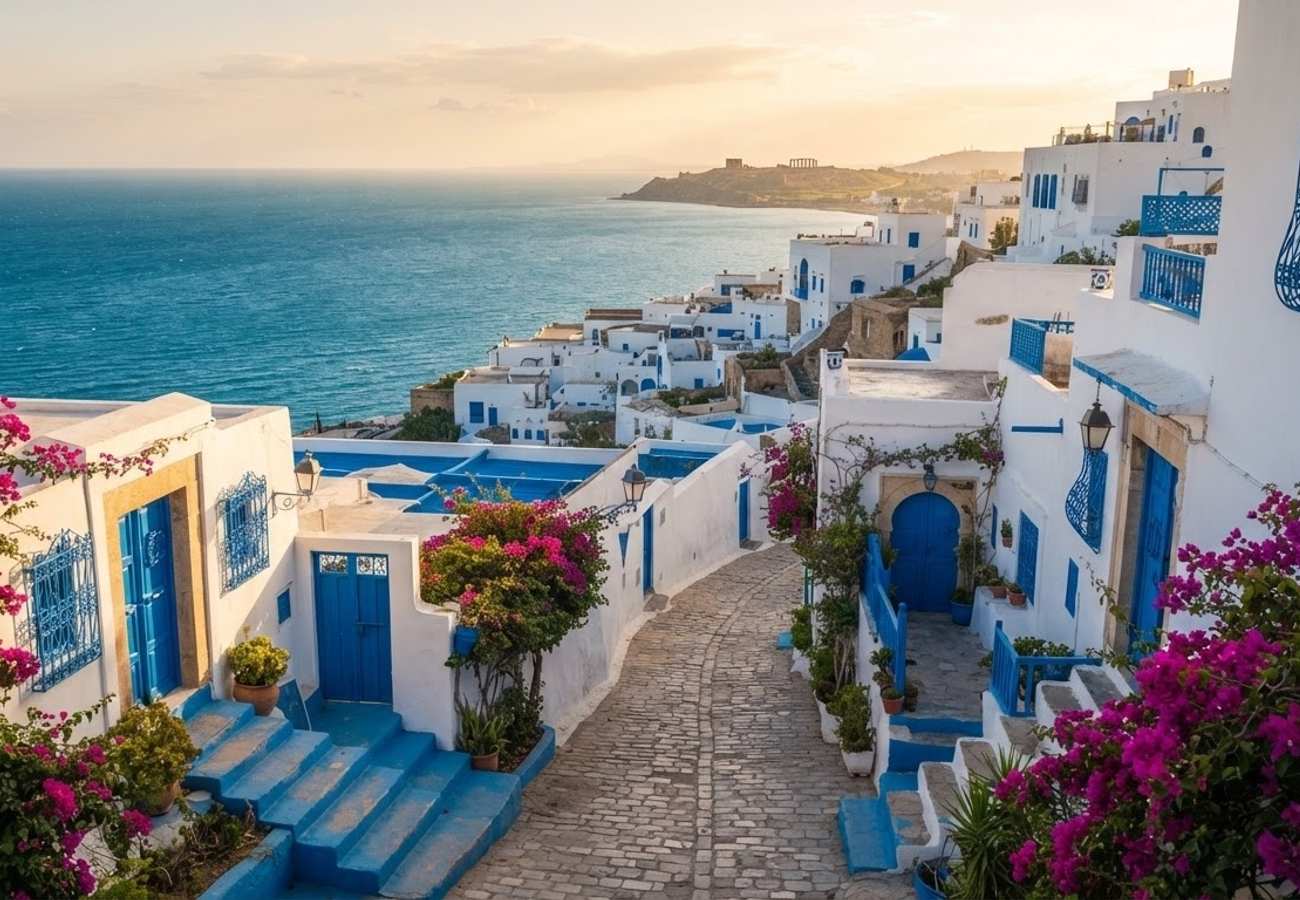
Image generated by AI
Tunisia has officially surpassed its pre-pandemic peak, recording over 11 million tourist arrivals in 2025 and generating record-breaking revenues exceeding 8 billion dinars.
The Tunisian tourism sector has moved beyond simple recovery, entering a phase of aggressive growth. On 22 December 2025, the country crossed the 11 million visitor threshold, decisively beating the previous record of 9.4 million set in 2019. This surge is not merely a return to form but a strategic expansion of the country's appeal.
Financial data from the Central Bank of Tunisia confirms that this influx resulted in 8.0969 billion Tunisian dinars (TND) in receipts for 2025. This represents a 6.5% increase over 2024 figures, equating to approximately €2.42 billion.
Momentum Sustained into 2026
The growth trajectory has continued into the current year. By 30 June 2026, tourism receipts reached 3.3524 billion dinars, an increase of 141.2 million dinars compared to the first half of 2025. Furthermore, combined data for tourism receipts and workers' remittances exceeded 9 billion dinars by 20 July 2026, underscoring tourism's role as a primary engine for foreign-currency earnings.
Strategic Pivot: Beyond the Beach
Market trends indicate a deliberate shift away from the "sun and sea" package model. The Tourism Ministry is now prioritizing a diversified portfolio to increase per-visitor spend and extend the length of stay. This strategy is categorized under four primary themes: land, sea, stone, and desert.
- Urban & Cultural Hubs: Tunis is being repositioned as a primary destination rather than a transit point. The focus includes the UNESCO-listed Medina, the Bardo Museum, and the historic districts of Carthage and Sidi Bou Said.
- Heritage Circuits: Increased promotion of archaeological sites such as the Roman amphitheatre at El Jem, the ruins of Dougga, and the Uthina archaeological route.
- Desert & Wellness: The Sahara region, including Tozeur and Douz, is being marketed for its oasis landscapes and traditional community experiences.
- Coastal Diversification: While Hammamet and Sousse remain staples, Djerba is being promoted for its blend of traditional architecture and crafts alongside its beaches.
Tourism Performance Metrics (2019–2026)
| Period | Tourist Arrivals | Tourism Receipts (TND) | Key Milestone |
|---|---|---|---|
| 2019 | 9.4 Million | Not Specified | Previous Record |
| 2024 | 10.264 Million | 7.5997 Billion | Recovery Phase |
| 2025 | 11 Million+ | 8.0969 Billion | New All-Time Record |
| H1 2026 | Not Specified | 3.3524 Billion | 141.2M TND YoY Increase |
Why This Matters: Industry Analysis
From a logistical and economic perspective, these figures signal a fundamental change in Tunisia's market positioning. For years, the region was viewed as a budget-friendly beach destination. The current data suggests a successful transition toward "higher-quality tourism."
Our analysis of the route map and revenue growth indicates that the increase in receipts (6.5%) is trailing slightly behind the volume of visitors, suggesting that while quantity is high, the push for higher-spending "luxury" or "cultural" travelers is still in its early stages. However, the focus on heritage walking and the Sahara suggests a move toward the "slow travel" trend, which typically attracts higher-net-worth independent travelers.
The designation of Tunis as the Arab Tourism Capital 2027 is the catalyst for this shift. This is not a temporary marketing campaign but a long-term infrastructure project. For the travel industry, this means an expected increase in boutique hotel developments and high-end tour operators focusing on the interior of the country rather than just the coastline.
Forward Outlook
The trajectory for 2027 is centered on the "Arab Tourism Capital" designation. Expect significant infrastructure upgrades in the capital city and a surge in city-break packages that combine the Medina with nearby coastal excursions.
The primary challenge will be maintaining the 141.2 million TND growth momentum seen in H1 2026. If Tunisia can successfully convert its high visitor volume into higher average daily spend through its "stone and desert" initiatives, it will secure its position as a diversified North African powerhouse.
Tunisia is no longer just a seaside escape; it is becoming a comprehensive cultural circuit.
Related Travel Guides
Disclaimer
This article is for informational and educational purposes only. It does not constitute legal, financial, or professional advice. While we strive to provide accurate and up-to-date information, travel policies, regulations, and conditions change rapidly. Always verify information with official sources before making travel decisions. Nomad Lawyer makes no representations about the accuracy, reliability, completeness, or suitability of the information provided. Readers should consult qualified professionals for advice specific to their circumstances. The views expressed in this article are those of the author and do not necessarily reflect the views of Nomad Lawyer.
Preeti Gunjan
Contributor & Community Manager
A passionate traveller and community builder. Preeti helps grow the Nomad Lawyer community, fostering engagement and bringing the reader experience to life.
Learn more about our team →