
The best beaches in Virginia, USA
The best beaches in Virginia, USA

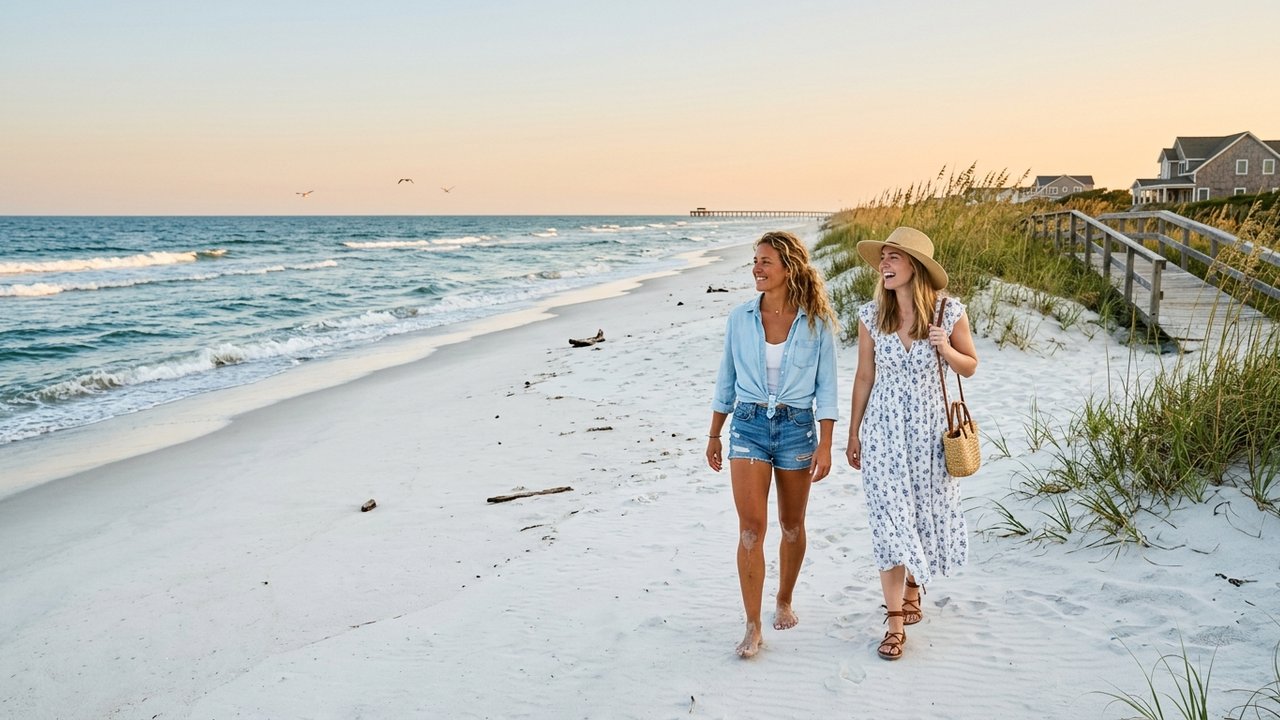
Image generated by AI
Coastal Destinations and Inland Waterways Highlight Virginia’s Premier Beaches and Recreational Hotspots for Summer Travelers
Virginia beaches and freshwater reservoirs are experiencing a measurable surge in domestic tourism activity as travelers prioritize accessible natural environments over crowded international resorts. Eight distinct coastal and inland locations across the Commonwealth are drawing record visitor numbers this season, offering everything from historic riverfronts to protected wildlife habitats. State tourism officials and regional economic analysts report that shifting travel preferences toward outdoor recreation and ecological preservation are directly influencing seasonal visitation patterns across the mid-Atlantic region.
The geographic diversity of the state, stretching from the Atlantic shoreline to the Blue Ridge Mountains, creates a unique portfolio of aquatic destinations that support both hospitality industries and conservation initiatives. Municipal planners note that sustained visitor demand requires careful management of shoreline infrastructure, waste disposal systems, and habitat protection zones. These waterside areas function simultaneously as critical ecological corridors for migratory species and as primary economic drivers for surrounding counties.
Virginia Beach Delivers Urban Coastal Experiences Across Seven Districts
Situated on the southeastern peninsula, this primary coastal hub operates as a multi-faceted destination rather than a single continuous shoreline. Travelers navigate through seven distinct neighborhoods, each offering separate amenities and landscapes. The Oceanfront district maintains a bustling boardwalk atmosphere, while Sandbridge provides secluded dune systems further south. Families frequently visit the Chesapeake Bay side for calmer waters, and visitors can transition from high-energy entertainment in the Town Center to artistic venues in the ViBe Creative District. Rural tranquility remains accessible in the Pungo area. Local historians emphasize that First Landing State Park stands as a designated National Natural Landmark and appears on the National Register of Historic Places, commemorating the initial English colonial arrival on these shores.
Sandbridge Beach Offers Remote Wilderness Access Twenty Miles South
Visitors seeking separation from metropolitan activity frequently choose this southern coastal stretch, which remains administratively part of Virginia Beach but functions as an independent retreat. The location sits less than 20 miles south of the main boardwalk, providing immediate access to untouched natural environments. The area serves as the primary entry point to Back Bay National Wildlife Refuge, where loggerhead sea turtles establish nesting grounds and migratory avian populations traverse established wilderness trails. Adjacent to this refuge, False Cape State Park protects hundreds of bird species alongside river otters, bald eagles, and free-roaming wild horses. Ground transportation to this restricted habitat requires walking, cycling, tram transit, or maritime vessels.
Chesapeake Beach Attracts Regional Visitors Seeking Local Coastal Culture
Positioned at the northern edge of the Virginia Beach corridor, this quieter shoreline maintains a distinctly residential character compared to its southern counterparts. The Chesapeake Bay Bridge Tunnel remains visible on the horizon, providing a constant maritime landmark. Dog owners utilize the shoreline for early morning exercise, while observers frequently spot dolphins swimming near the shore. Visitors typically return to Shore Drive for dining and retail options. Local establishments such as Mermaid Winery and BoBo’s Fine Chicken draw consistent patronage from residents and weekend travelers alike.
Colonial Beach Preserves Riverfront History Between Major Metropolitan Areas
This riverfront community occupies a strategic position between Monroe Bay and the Potomac River, placing it roughly equidistant between Washington, D.C., and the state capital. The shoreline ranks as the second-largest continuous sandy expanse in the state, though the Maryland border intersects directly at the waterline, crossing into another jurisdiction upon entering the river. Downtown infrastructure includes a maintained boardwalk, recreational playgrounds, a commercial fishing pier, and a public bathhouse designed for family use. Outskirts areas offer quieter residential settings. Historical preservation remains a community priority, featuring a local heritage museum, a walking-distance view of Alexander Graham Bell’s former summer residence, and a short 15-minute drive to the George Washington Birthplace National Monument.
Cape Charles Beach Maintains Late Nineteenth Century Maritime Charm
Located on the Delmarva Peninsula across the Chesapeake Bay, this historic settlement retains architectural and cultural elements from the late 1800s. The community supports visitors with boutique retail stores, established dining venues, a dedicated ice cream parlor, a functional marina, and a central park featuring decorative fountains and gazebos. The public shoreline provides gentle wave conditions suitable for all swimming ability levels, though a rapid underwater slope requires constant supervision for younger visitors. Travelers seeking additional recreation can reach Kiptopeke State Park or the Eastern Shore of Virginia National Wildlife Refuge, both situated approximately 10 miles from the town center. These adjacent locations support camping, hiking, and extensive bird and butterfly observation programs.
Bethel Beach Natural Area Preserve Prioritizes Wildlife Observation Over Swimming
This protected coastal zone encompasses 105 acres of undeveloped land, featuring low sand dunes, extensive salt marshes, and 83 acres of unbroken beachfront. Management policies explicitly discourage swimming and sunbathing, redirecting visitor focus toward ecological appreciation and angling. The shoreline hosts 185 documented avian species, including black-bellied plovers, blue-winged teals, red-breasted mergansers, and yellow-rumped warblers. Leashed canines frequently utilize the beach for exercise. Park administrators warn visitors to bring sufficient hydration supplies and practice strict leave-no-trace protocols, as the site lacks trash receptacles, restroom facilities, or potable water stations.
Assateague Island Hosts Famous Wild Equine Populations Along the Mid-Atlantic Coast
This extensive barrier island stretches nearly 40 miles along the central Atlantic coastline, dividing the Delmarva Peninsula from the open ocean while straddling the Maryland and Virginia state boundary. The island and its neighboring Chincoteague counterpart maintain internationally recognized herds of wild horses, popularized through mid-century literature. Summer visitors regularly attend the annual July pony swim event to observe the livestock crossing between islands. The Virginia section operates as Assiateague Island National Seashore, providing backcountry camping opportunities and ocean-facing drive-in campsites. The adjacent Maryland town offers extensive hospitality infrastructure, including numerous hotels, inns, and bed-and-breakfast establishments.
Smith Mountain Lake Provides Extensive Freshwater Recreation Near Roanoke
Located in central Virginia approximately 40 miles southeast of Roanoke, this artificial reservoir spans 20,000 acres and features 500 miles of developed shoreline. The lake ranks as the second-largest freshwater body in the state and functions as a primary hub for motorized water sports and fishing activities. State park management operates two public beach zones, with the main facility providing lifeguard services and a concession stand from Memorial Day through Labor Day. Anglers target striped bass and catfish populations, while recreational boaters utilize the waters for wakeboarding, waterskiing, and parasailing. The state park complex includes a dedicated boat launch, equipment rental services, extensive hiking networks, and overnight lodging options featuring private cabins equipped with wood-burning stoves.
The concentration of protected shorelines and managed recreational zones directly influences regional economic stability and conservation funding. Local municipalities rely heavily on seasonal tourism revenue to maintain infrastructure, fund wildlife management programs, and support emergency services. Environmental agencies note that increased foot traffic necessitates stricter waste management protocols and habitat monitoring to prevent ecological degradation. Conservation groups emphasize that public awareness of sensitive nesting grounds and restricted zones helps reduce human-wildlife conflict. Economic projections indicate that sustained interest in domestic coastal travel will continue to drive investment in sustainable tourism infrastructure across the Commonwealth.
Virginia’s coastal and inland water destinations will likely see continued development focused on eco-friendly access routes and expanded wildlife education programs. Tourism operators are already adjusting seasonal offerings to accommodate higher demand for off-peak visitation and guided ecological tours. Visitors planning future trips should monitor state park reservation systems and wildlife refuge access restrictions, as capacity limits frequently adjust based on seasonal migration patterns and weather conditions.
Related Travel Guides
Disclaimer
This article is for informational and educational purposes only. It does not constitute legal, financial, or professional advice. While we strive to provide accurate and up-to-date information, travel policies, regulations, and conditions change rapidly. Always verify information with official sources before making travel decisions. Nomad Lawyer makes no representations about the accuracy, reliability, completeness, or suitability of the information provided. Readers should consult qualified professionals for advice specific to their circumstances. The views expressed in this article are those of the author and do not necessarily reflect the views of Nomad Lawyer.
Raushan Kumar
Founder & Lead Developer
Full-stack developer with 11+ years of experience and a passionate traveller. Raushan built Nomad Lawyer from the ground up with a vision to create the best travel and law experience on the web.
Learn more about our team →