
TSA Staffing Crisis Charleston Airport Threatens Southeast Travel 2026
Charleston International Airport faces operational strain as TSA staffing crisis deepens amid federal DHS funding lapse in 2026. Mid-sized Southeast gateway risks screening delays and reduced hours affecting millions of annual travelers.

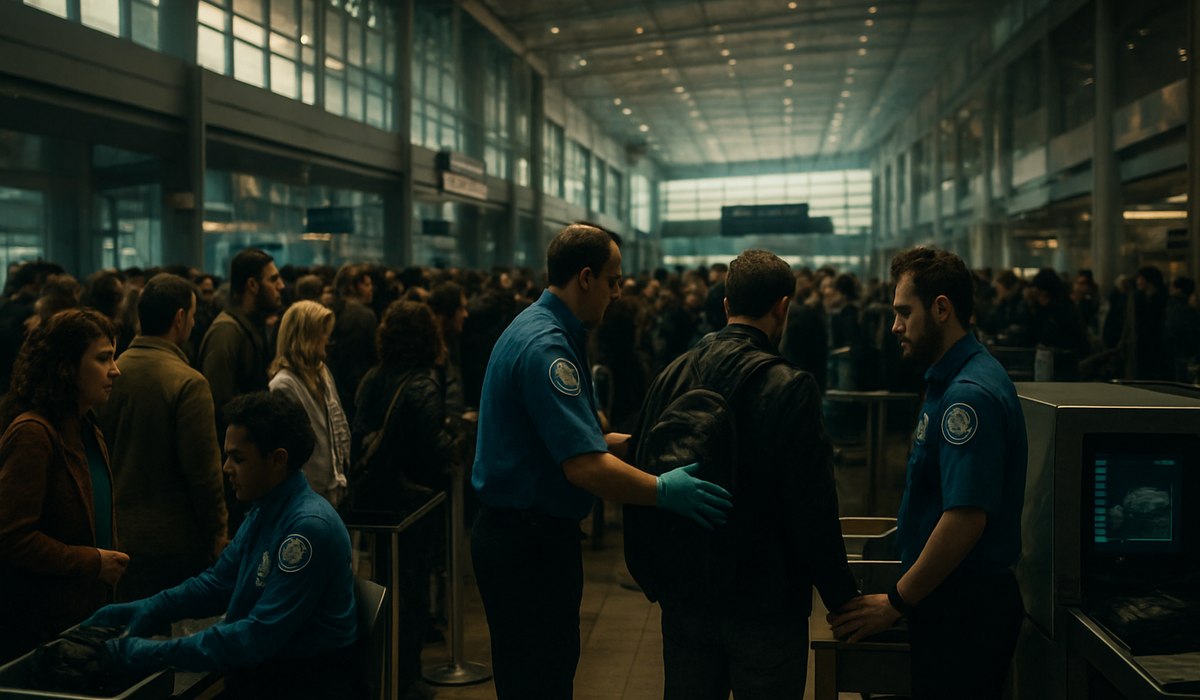
Image generated by AI
TSA Staffing Crisis Threatens Charleston International Airport Operations
Charleston International Airport, one of the Southeast's fastest-growing aviation hubs, faces mounting operational pressure as a TSA staffing crisis deepens across the national security screening system. The facility, which processed more than 6 million passengers in 2023, now confronts potential screening delays, reduced checkpoint hours, and service disruptions stemming from a protracted Department of Homeland Security funding standoff. The crisis threatens to cascade beyond Charleston's tarmac, affecting connecting passengers, regional airlines, and the broader Southeast travel ecosystem.
Federal budget delays have left Transportation Security Administration officers working extended periods without regular pay, triggering burnout, increased sick leave usage, and operational instability at mid-sized airports nationwide. While Charleston has not yet appeared on federal closure lists, its position as a rapidly expanding non-hub airport places it squarely in the category most vulnerable to resource reallocation during system-wide retrenchment.
National TSA Funding Crisis Strains Airport Operations Nationwide
The TSA staffing crisis stems from a prolonged lapse in Department of Homeland Security appropriations that has disrupted checkpoint staffing across the U.S. aviation network. Transportation Security Administration personnel have faced weeks of delayed compensation, creating cascading effects on morale, attendance, and screening throughput at thousands of checkpoints.
Aviation officials and transportation analysts project that mid-sized and smaller airports could experience curtailed screening hours or partial facility shutdowns if staffing levels continue deteriorating. The federal government has signaled potential resource consolidation, with screening capacity concentrated at major hub airports while secondary markets face reduced service windows.
Charleston International's trajectory amplifies these concerns. The airport has emerged as a regional success story, adding carriers like Breeze Airways and Spirit Airlines while steadily expanding its route network. This growth, however, has also intensified dependence on reliable TSA operations. Any staffing reduction would immediately impact the airport's ability to accommodate peak-hour passenger loads, particularly during peak leisure travel seasons.
For current travel conditions, consult the FAA's real-time operations dashboard and monitor your carrier's flight status through FlightAware.
Why Mid-Sized Airports Like Charleston Face Greatest Risk
Mid-sized airports occupy a precarious operational position during federal funding crises. Unlike major hubs with staffing redundancy and backup screening lanes, facilities like Charleston operate with tightly calibrated checkpoint configurations matched to typical passenger volumes. Any staffing reduction immediately constrains capacity.
Charleston's challenge reflects broader Southeast travel patterns. The airport serves as a gateway to South Carolina's tourism economy, coastal leisure destinations, and increasingly, business travel corridors. Peak hours during spring breaks, summer vacations, and holiday periods already strain existing checkpoint resources. A TSA staffing shortage would amplify these seasonal bottlenecks, potentially forcing airlines to restrict departure windows or consolidate flights.
Data from the first quarter of 2026 demonstrates Charleston's vulnerability. Winter weather events in January and February—common throughout the Southeast—triggered day-long disruptions as regional hub congestion cascaded into Charleston delays. Passengers reported extended security queues, missed connections, and rebooking challenges even under normal staffing conditions. Layering TSA resource reductions onto this baseline would compound disruption severity.
Regional carriers and passengers moving through Charleston face particular exposure. Spirit Airlines, Breeze Airways, Southwest Airlines, and legacy carriers Delta and United depend on predictable turnaround times at CHS. Screening bottlenecks would force flight delays, crew scheduling conflicts, and cascading cancellations throughout Southeast routing networks.
Potential Ripple Effects for Travelers and Airlines Operating CHS Routes
The TSA staffing crisis Charleston Airport generates ripple effects extending far beyond security checkpoints. Operational constraints cascade through the entire air travel system, affecting airlines, connecting passengers, and downstream airports throughout Southeast and Atlantic coast networks.
Scenario modeling suggests several potential disruption patterns. Consolidation of screening lanes would extend wait times during peak periods, potentially causing passengers to miss departure windows. Reduced checkpoint hours—particularly early morning or late evening—would eliminate departure options for business and leisure travelers relying on specific flight windows.
Airlines operating Charleston routes would face cascading schedule pressures. Spirit Airlines and Breeze Airways, which expanded Charleston service specifically to capture growing passenger demand, would confront constraints on daily departure slots. Regional connections through hubs like Charlotte and Atlanta could experience delayed arrivals into Charleston, creating downstream crew positioning challenges and aircraft availability issues.
Connecting passengers face the greatest vulnerability. Travelers originating from smaller Southeast markets and connecting through Charleston to national or international destinations would experience compounded delays. A weather event coinciding with TSA staffing constraints could trigger day-long disruptions and widespread rebooking chaos.
Tourism and business sectors dependent on reliable air access would suffer economic consequences. South Carolina's hospitality, coastal resort, and corporate travel industries rely on seamless airport operations. Service disruptions would damage competitiveness against alternative Southeast gateways like Atlanta Hartsfield-Jackson, Charlotte Douglas, and Fort Lauderdale.
Traveler Action Checklist: What You Should Do Now
Protect your travel plans and minimize disruption exposure with these immediate, actionable steps:
-
Verify Your Airline's Contingency Plans: Contact your carrier directly to understand their response protocols for TSA-related delays. Ask specifically about rebooking policies, schedule adjustments, and notification procedures if staffing constraints affect your flight.
-
Arrive Earlier Than Standard Guidelines: Add 60-90 minutes to your pre-security arrival window during peak travel periods. Standard Transportation Security Administration guidelines may not account for potential staffing constraints or checkpoint consolidation.
-
Monitor FlightAware Real-Time Data: Track your specific flight 24-48 hours before departure. Real-time monitoring reveals emerging capacity issues earlier than airline notifications, enabling proactive rebooking decisions.
-
Build Schedule Flexibility Into Bookings: Avoid tight connection windows through Charleston. Include minimum 2-hour layovers for connections and build schedule buffers into critical business travel.
-
Review Passenger Rights Documentation: Visit the U.S. Department of Transportation consumer protection portal to understand your rights regarding TSA-related delay compensation, rebooking, and refund eligibility.
-
Download Airline Mobile Apps: Enable push notifications from your carrier for real-time schedule updates, gate assignments, and delay notifications. Mobile apps deliver information faster than email or phone calls.
-
Check TSA PreCheck Enrollment Status: Confirm your PreCheck status at tsa.gov. PreCheck passengers access dedicated screening lanes less affected by overall checkpoint staffing levels, potentially reducing wait times by 30-50%.
-
Document All Disruption Impacts: Save boarding passes, receipts, delay notifications, and communication records. Documentation strengthens claims for compensation under carrier policies and DOT regulations.
Current Impact: Data and Timeline
| Category | Details | Status |
|---|---|---|
| Airport Identifier | Charleston International (CHS) | Active |
| Annual Passenger Volume (2023) | 6+ million passengers | Baseline reference |
| Primary Affected Airlines | Spirit, Breeze, Southwest, Delta, United | Currently operating |
| TSA Staffing Status | Partial operations under DHS funding lapse | Ongoing crisis |
| Projected Risk Level | Mid-tier vulnerability for secondary airports | Elevated |
| Recommended Lead Time | 90+ minutes pre-security arrival | New guideline |
| Federal Action Timeline | DHS appropriations pending congressional action | Uncertain |
| Checkpoint Configuration | Consolidation scenarios under review | Planning stage |
What This Means for Travelers: Strategic Considerations
The **TSA
Disclaimer
This article is for informational and educational purposes only. It does not constitute legal, financial, or professional advice. While we strive to provide accurate and up-to-date information, travel policies, regulations, and conditions change rapidly. Always verify information with official sources before making travel decisions. Nomad Lawyer makes no representations about the accuracy, reliability, completeness, or suitability of the information provided. Readers should consult qualified professionals for advice specific to their circumstances. The views expressed in this article are those of the author and do not necessarily reflect the views of Nomad Lawyer.
Kunal K Choudhary
Co-Founder & Contributor
A passionate traveller and tech enthusiast. Kunal contributes to the vision and growth of Nomad Lawyer, bringing fresh perspectives and driving the community forward.
Learn more about our team →