
Spring Break Crisis: TSA Meltdown Triggers 2+ Hour Security Lines as Government Shutdown Paralyzes U.S. Airports
A partial government shutdown has left 50,000 TSA workers unpaid, triggering mass resignations, surging call-outs, and 2+ hour security waits at major U.S. airports during peak spring break travel season as Fort Lauderdale, Miami, Orlando, Atlanta, and Chicago face operational collapse.

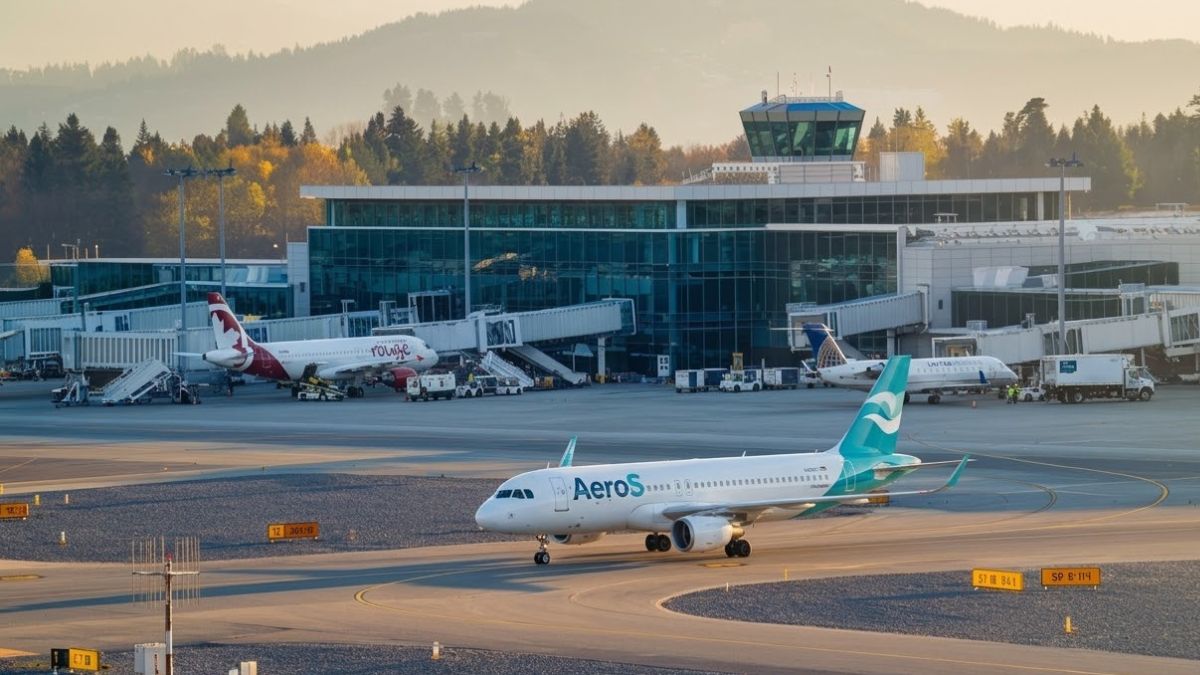
Image generated with AI
Quick Summary
- Partial government shutdown begun in mid-February 2026 left 50,000 TSA workers unpaid, triggering the worst spring break travel crisis in modern U.S. aviation history
- 300+ TSA officers resigned, unscheduled absences surged to 6% nationally (double-digit in some regions), forcing checkpoint consolidations and lane closures
- Security wait times exceeded 2 hours at worst-hit airports: Fort Lauderdale (FLL), Miami (MIA), Orlando (MCO), Atlanta (ATL), Chicago O'Hare (ORD), Austin (AUS)
- Passengers missed flights despite arriving 3+ hours early — industry leaders warn U.S. Travel Association of billions in revenue losses threatening summer peak season; Congress faces pressure to pass emergency DHS funding bill
The United States aviation system descended into unprecedented spring break chaos as a festering partial government shutdown left 50,000 TSA screeners working without pay, triggering mass resignations, surging call-outs, and security lines stretching two-plus hours during peak travel season. The funding impasse — rooted in congressional disputes over border policy and immigration enforcement — transformed what should have been a routine holiday travel surge into a national transportation crisis affecting millions of leisure and business travelers.
The human toll mounted as federal security officers faced an agonizing choice: abandon their posts to earn income, or continue protecting the traveling public while unable to afford rent and childcare. Over 300 resignations and 6% nationwide average unscheduled absences (climbing into double digits at major hubs) meant airports operated security checkpoints at 80-90% capacity during the busiest travel weeks of the year.
The Funding Crisis That Broke Aviation's Backbone
The partial government shutdown, initiated in mid-February 2026, resulted from Congress's failure to agree on a Department of Homeland Security funding bill. The impasse centered on immigration enforcement and border policy disputes, leaving the DHS — and by extension, the Transportation Security Administration (TSA) — operating under emergency protocols with no regular payroll funding.
Approximately 50,000 TSA officers were designated as essential employees, meaning they were legally required to report for duty without receiving paychecks. The financial devastation on these public servants proved immediate and catastrophic.
Within weeks, the human infrastructure supporting U.S. aviation began collapsing. Federal officials confirmed that 300+ TSA officers officially resigned, with exit interviews consistently citing inability to cover rent, utilities, childcare, and basic living expenses without regular income. Many were single-income households; others had spouses facing their own employment disruptions.
The resignation rate proved just the visible portion of the crisis. Unscheduled absences — so-called "sick-outs" — doubled from historical averages of approximately 3% to a nationwide average of 6%. In worst-hit regions, call-out rates spiked into double digits (12-18% in some locations), forcing airports to close expedited screening lanes and consolidate checkpoints into single-lane bottlenecks.
The Spring Break Perfect Storm: Timing Couldn't Be Worse
The shutdown's timing created a catastrophic convergence. Peak spring break travel — running from late February through early April — represents the highest passenger volume of any non-holiday period. Families book flights months in advance, commit vacation days, and lock in hotel reservations. There is zero flexibility for millions of travelers simultaneously discovering that airport security checkpoints couldn't process their lines.
The mathematics proved brutal. A typical major airport processes approximately 50,000-70,000 passengers daily. With 6-18% reduction in screening staff, throughput dropped to 40,000-60,000 passengers, yet daily volume remained at historical peaks. The bottleneck was inevitable.
Red Zones: The Airports Where Travel Became Nightmare
While the national system buckled, specific airport hubs emerged as absolute disaster zones:
South Florida Gateways
Fort Lauderdale-Hollywood International (FLL) and Miami International (MIA) — the primary gateways for Caribbean and Latin America spring break trips — reported security wait times consistently exceeding 2 hours during peak morning (6-8 a.m.) and afternoon (3-6 p.m.) windows. Families arrived at 5 a.m. for 8 a.m. flights, only to watch departure time pass while 1,000+ passengers queued at single-lane checkpoints.
Florida Theme Park Hub
Orlando International (MCO) — serving Disney World, Universal, and other attractions — witnessed backlog cascades spilling from security checkpoints into terminal atriums. Parents with young children waited 90+ minutes in security lines, arriving at gates minutes before boarding close-out or discovering missed departures.
The World's Busiest Airport Breaks
Hartsfield-Jackson Atlanta International (ATL) — processing 110+ million passengers annually — documented nearly 20% absence rates among screening staff, triggering system-wide missed connections. A single delayed connection at ATL cascades across the entire southeast, affecting hundreds of downstream flights.
Midwest Gridlock
Chicago O'Hare International (ORD) and Austin-Bergstrom International (AUS) issued formal advisories urging passengers to arrive 4 hours before departure — double the standard recommendation — reflecting severe understaffing and throughput constraints.
The Human Catastrophe: Families Stranded Across America
The operational disruption translated into real human suffering. Passengers arriving 3 hours early missed flights as security lines consumed all buffer time. Families watched gate agents close boarding doors while 50+ passengers remained in checkpoint queues, unable to proceed.
Secondary effects cascaded across the travel network. Rebooking requests overwhelmed airline customer service centers — typical 15-minute hold times ballooned to 2-3 hours. Hotel rooms near major airports hit record occupancy rates as stranded families sought emergency accommodations after missing connections. Business travelers missed meetings. Families missed vacation start dates. Honeymoon couples arrived at hotels a full day late.
Anecdotal reports surfaced of passengers spending nights sleeping on airport floors, their rebooked flights 12-24 hours away. The trauma of missing planned travel affected thousands daily across a two-month stretch.
National Security Implications: Beyond Logistics
Aviation security experts sounded alarms that the disruption extended far beyond inconvenience. Former DHS administrators warned Congress that a financially distressed or significantly understaffed TSA workforce presented potential vulnerabilities in threat detection capabilities.
Officers working 50+ hours per week without pay, distracted by looming evictions and childcare emergencies, cannot maintain peak performance screening passengers and baggage for sophisticated threats. The psychological toll — anger, demoralization, burnout — degrades focus and vigilance.
Furthermore, the resignation and attrition created a massive training debt. New TSA recruits require 4-6 months of intensive, supervised training before operating checkpoints independently. Officers departing in month two of shutdown meant no replacements would reach independent status until mid-summer — precisely when traffic ramps to annual peaks.
The Economic Tsunami: Billions at Stake
The U.S. Travel Association and CEOs from Delta, United, American, Southwest, and other carriers issued formal congressional warnings that prolonged disruption threatened billions of dollars in lost economic activity.
Spring break alone generates approximately $20 billion in direct tourism spending. Extended security delays translate directly into:
- Canceled trips (lost airline revenue, hotel revenue, restaurant spending)
- Rerouted trips (passengers flying through Canadian or Mexican hubs instead of U.S. gateways)
- Reduced trip spending (families shortening vacations due to missed connections)
- Business travel avoidance (companies rerouting meetings to digital platforms)
Industry projections suggested that 2-4 weeks of severe disruptions could cost the broader economy $5-10 billion by the time every ripple effect played through supply chains and consumer spending patterns.
The Ticking Clock: When Does It Blow Up?
As this article publishes, TSA workers have entered the window of their first full missed paycheck. Historical precedent suggests that the resignation and absence crisis will accelerate materially in the following 1-2 weeks as workers face impossible choices: continue working for free or seek alternative income immediately.
The only pathway to resolution remains congressional passage of an emergency DHS funding bill addressing the staffing and compensation crisis. Without legislative action, analysts project airport security systems could face 15-25% staff reductions by mid-April, potentially rendering peak summer travel effectively impossible.
What This Means for Spring Break Travelers
- Arrive 4 hours early minimum — many airports already issuing this guidance officially
- Book flights with maximum connection buffers — 3+ hour layovers absorb security delays
- Use TSA PreCheck and Clear if eligible — these programs operate with minimal lag even during staff shortages
- Monitor your airline's service notices daily — cancellations and rebooking policies shift rapidly
- Document all disruptions — airlines and TSA will face compensation claims from affected passengers
Frequently Asked Questions
Q: Is it safe to fly with reduced TSA staffing? A: Yes, but with caveats. Remaining officers maintain screening protocols despite workload challenges. The risk is more about timeline vulnerability (missing flights) than security vulnerability — though industry experts acknowledge that fatigue-driven errors increase beneath staffing stress.
Q: When will this end? A: Only Congress can resolve the funding impasse. Political analysts suggest 2-4 weeks before legislative pressure overrides partisan disputes, suggesting delays could persist through early April unless emergency action accelerates.
Q: Should I postpone spring break travel? A: If flexibility exists, delaying departure until mid-April reduces exposure to worst-case scenarios. However, if your trip is already booked and non-refundable, the disruptions are manageable with proper FlightAware monitoring and early arrivals.
Q: What are my rights if I miss a flight due to TSA delays? A: DOT regulations require airlines to rebook missed passengers on next available flights at no additional charge. Document your checkpoint entry time and departure gate close-out time for potential compensation claims.
Bottom Line
The spring break crisis reveals how quickly cascading failures can disable critical infrastructure when political disputes translate into real-world consequences for millions of citizens. As covered by CNN Travel, Reuters, and The Points Guy, the current disruption stands as a stark reminder that aviation operates on the goodwill and financial security of public servants — goodwill that evaporates when paychecks do.
Congress faces mounting pressure and damning economic forecasts. The industry consensus is clear: fund the DHS, end the shutdown, and restore TSA staffing to full capacity — or accept responsibility for a summer travel season defined by dysfunction and economic loss.
Until then, travelers must navigate a system operating at degraded capacity with extraordinary patience, early arrivals, and lowered expectations. The spring of 2026 will be remembered as the moment America's most iconic public institution — its aviation security system — nearly broke under the weight of political gridlock.
Monitor FlightAware obsessively, arrive obscenely early, and prepare for a spring break that tests resilience as much as vacation spirit.
Disclaimer
This article is for informational and educational purposes only. It does not constitute legal, financial, or professional advice. While we strive to provide accurate and up-to-date information, travel policies, regulations, and conditions change rapidly. Always verify information with official sources before making travel decisions. Nomad Lawyer makes no representations about the accuracy, reliability, completeness, or suitability of the information provided. Readers should consult qualified professionals for advice specific to their circumstances. The views expressed in this article are those of the author and do not necessarily reflect the views of Nomad Lawyer.
Preeti Gunjan
Contributor & Community Manager
A passionate traveller and community builder. Preeti helps grow the Nomad Lawyer community, fostering engagement and bringing the reader experience to life.
Learn more about our team →