
United States Faces Airport Security Crisis as $1 Billion Emergency Funding Approved
United States faces unprecedented TSA staffing shortages prompting $1 billion federal intervention as spring 2026 airport security delays threaten major travel disruptions.

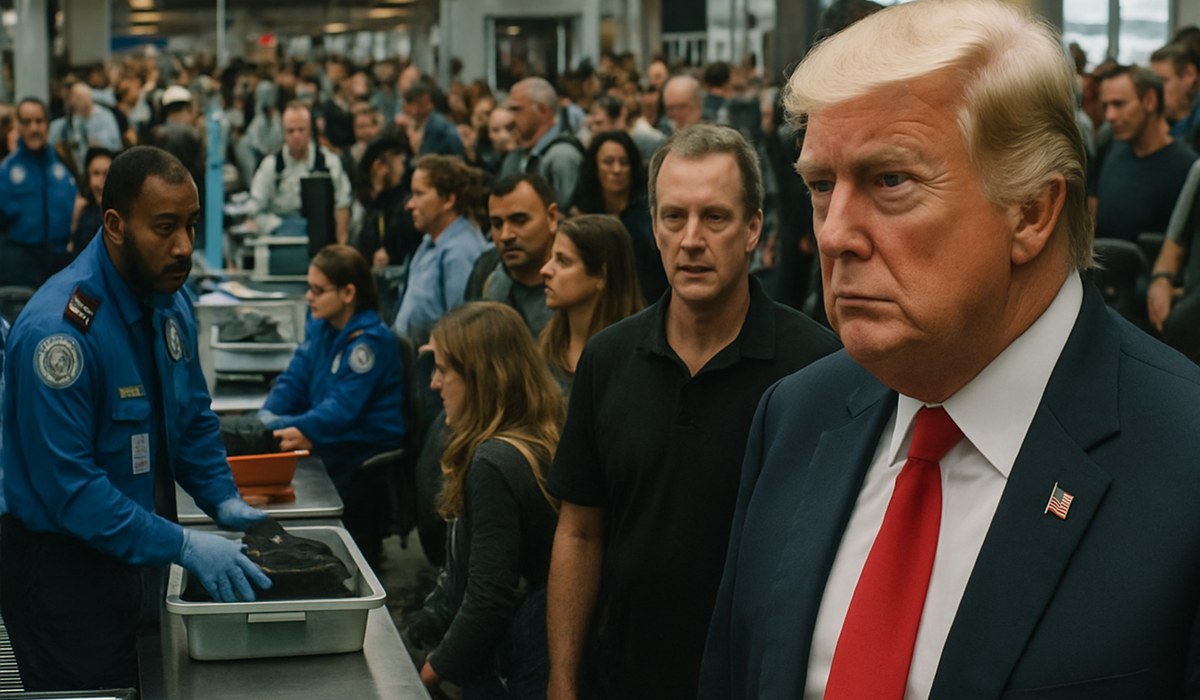
Image generated by AI
Quick Summary
- Federal government authorizes emergency $1 billion package targeting TSA compensation and hiring shortfalls
- Major U.S. airports reporting security checkpoint wait times exceeding 90 minutes during peak periods
- Airlines preemptively adjusting schedules as missed connections surge across domestic networks
- Travelers urged to arrive three hours early for domestic flights as spring break travel reaches record volumes
American travelers confront a spiraling security infrastructure crisis as chronic Transportation Security Administration workforce shortages trigger systemwide bottlenecks at the nation's busiest aviation hubs. The federal government's emergency $1 billion allocation marks the most significant aviation security intervention since post-pandemic recovery efforts, targeting immediate pay increases and accelerated hiring to prevent a complete breakdown during what industry analysts project will be the highest-volume travel season in U.S. commercial aviation history.
The crisis stems from a perfect storm of inadequate compensation structures, competitive labor markets, and unprecedented passenger demand that has left TSA screeners departing for higher-paying private sector positions at rates not seen since the agency's formation. Security checkpoints at Atlanta Hartsfield-Jackson, Dallas Fort Worth, and Los Angeles International have become pressure points where lines snake through terminals for hours, forcing carriers to hold aircraft at gates and disrupting carefully sequenced departure waves.
What's Behind the TSA Staffing Crisis and $1 Billion Federal Response
The Transportation Security Administration entered 2026 operating with approximately 15% fewer frontline screening officers than operationally required for current passenger volumes, according to sources familiar with agency staffing models. Starting wages for TSA officers have failed to keep pace with regional living costs in major metropolitan areas, where similar security positions at private firms now offer 25-30% higher compensation packages with better benefits.
The billion-dollar emergency funding package breaks down into several targeted components designed to address both immediate staffing gaps and longer-term retention challenges. Roughly $600 million will fund immediate pay adjustments bringing TSA officer compensation closer to parity with comparable federal law enforcement positions, while $250 million targets an accelerated hiring initiative aiming to onboard 5,000 new screeners within 90 days—a timeline that compresses the typical six-month recruitment and training cycle.
The remaining allocation covers enhanced training facilities, modernized screening technology that requires fewer officers per checkpoint, and retention bonuses for current staff in high-attrition markets. Federal officials acknowledge that the funding represents a stopgap measure rather than comprehensive reform, with longer-term structural changes requiring Congressional action beyond emergency appropriations authority.
Industry observers note this approach differs markedly from recent travel disruptions in Spain, where labor actions stemmed from policy disagreements rather than compensation inadequacy. The U.S. crisis reflects systemic underinvestment in aviation security infrastructure that has become untenable as passenger volumes exceed pre-pandemic levels by double-digit percentages.
Which Airports Are Most Affected by Security Delays
Data from FlightAware's real-time delay tracking reveals that fifteen major U.S. airports account for approximately 70% of TSA-related flight delays during peak morning departure windows. Hartsfield-Jackson Atlanta International leads with average checkpoint wait times exceeding 110 minutes between 5:00 AM and 8:00 AM on weekdays, followed closely by Dallas Fort Worth International at 95 minutes and Chicago O'Hare at 87 minutes during comparable periods.
West Coast hubs face particular challenges due to compressed morning departure complexes serving transcontinental routes. Los Angeles International reports that Terminal 3 security checkpoints frequently reach capacity by 5:30 AM, creating cascading delays that ripple through carrier networks for hours. San Francisco International and Seattle-Tacoma have implemented temporary passenger flow restrictions, limiting terminal access during peak periods to prevent dangerous overcrowding in pre-security areas.
Mid-tier airports with connecting traffic also feel acute impacts. Denver International, Phoenix Sky Harbor, and Las Vegas McCarran handle enormous passenger volumes without proportionate TSA staffing allocations, creating vulnerability during spring break and holiday periods. Charlotte Douglas International—a critical American Airlines hub—has seen connection misses increase by 340% compared to March 2025 benchmarks, forcing the carrier to protect vulnerable itineraries by padding connection times.
The FAA guidelines governing airport safety require that congestion not compromise emergency egress capabilities, prompting several airport operators to petition for temporary passenger caps if federal staffing improvements don't materialize quickly. Such restrictions would force airlines to reduce scheduled departures during peak periods, effectively rationing airport access during high-demand travel windows.
How Airlines Are Responding to Extended Checkpoint Wait Times
U.S. carriers face an operational paradox: demand for flights exceeds available supply while ground infrastructure cannot efficiently process passengers onto those flights. Major network carriers have begun building additional ground time into schedules at affected airports, effectively reducing daily utilization rates for expensive aircraft assets.
Delta Air Lines announced adjustments to its Atlanta hub operations, adding 20-minute buffers to minimum connection times for arriving passengers with onward flights during morning and evening complexes. The changes reduce theoretical capacity at the world's busiest airport but improve operational reliability by accounting for security processing realities. United Airlines implemented similar protections at its Denver, Chicago, and Houston hubs, while American prioritized Charlotte and Dallas Fort Worth.
Southwest Airlines—operating point-to-point networks less dependent on connections—has taken a different approach, increasing departure spacing at problem airports to reduce the number of passengers simultaneously requiring security screening. This strategy spreads passenger arrivals across longer timeframes but constrains the airline's rapid-turnaround business model that depends on aircraft flying more segments per day than competitors.
Some carriers have begun compensating for ground delays by increasing cruise speeds on longer segments, burning additional fuel to recover minutes lost to security processing. This approach carries environmental and cost implications but allows airlines to maintain published arrival times despite later departures, protecting connections and reducing passenger disruption.
International carriers with U.S. operations have expressed concern that domestic airport chaos threatens premium transatlantic and transpacific services where passengers expect seamless connections. This contrasts sharply with carriers like SriLankan Airlines' operational efficiency improvements that have invested heavily in technology and process optimization, highlighting how infrastructure neglect creates competitive disadvantages for U.S.-based operators.
Traveler Rights and Compensation for TSA-Related Flight Disruptions
Passengers caught in TSA-related flight disruptions face a complex compensation landscape that differs significantly from weather or mechanical delay scenarios. Security checkpoint processing falls outside airline operational control, creating ambiguity around carrier obligations when passengers miss flights due to screening delays.
The U.S. Department of Transportation passenger rights framework does not mandate compensation for missed flights when delays stem from security screening, as TSA operations constitute a government function separate from airline service delivery. However, carriers maintain discretion to provide accommodation on a case-by-case basis, and industry practice has evolved toward more generous rebooking policies as checkpoint delays become normalized.
Most major U.S. airlines have adopted flexible rebooking procedures for passengers who miss flights due to documented security delays. Travelers who arrive at airports within recommended timeframes but encounter extraordinary checkpoint waits can typically rebook on the next available flight without change fees, though fare differences may apply if only premium cabin space remains. This represents a voluntary industry practice rather than regulatory requirement.
Travel insurance policies vary considerably in TSA delay coverage. Standard trip interruption insurance often excludes security screening delays from covered perils, though some premium policies now include provisions for missed connections due to checkpoint processing times exceeding specified thresholds. Travelers should review policy terms carefully, as coverage terminology like "unforeseen circumstances" may not encompass widely reported security staffing issues.
Credit card travel protections similarly provide inconsistent coverage. Premium travel cards from major issuers sometimes include trip delay reimbursement that covers meals and accommodation when security processing causes missed connections, but coverage typically requires delays exceeding six hours and may not apply to same-day rebooking scenarios.
Consumer advocates recommend travelers document checkpoint wait times through timestamped photos and retain boarding passes showing arrival times versus flight departure times. This evidence strengthens claims for carrier-provided accommodations and may prove essential if pursuing reimbursement through insurance or credit card protections.
FAQ: TSA Crisis and Airport Delays
How early should I arrive at the airport during this TSA crisis?
Domestic travelers should plan to arrive a minimum of three hours before departure at affected major hubs, with four hours recommended during peak morning periods or for Friday-Monday travel. International passengers should add an additional 30 minutes. Monitor your specific airport's TSA checkpoint wait times through official airport apps or websites, which now provide real-time estimates. If you're connecting through hubs like Atlanta, Dallas, or Chicago, consider booking flights with extended connection times of at least 90 minutes.
Will I receive compensation if I miss my flight due to TSA delays?
U.S. airlines are not legally required to provide compensation for missed flights caused by security checkpoint delays, as TSA screening falls outside carrier control. However, most major airlines will rebook you on the next available flight without change fees if you can demonstrate you arrived within their recommended timeframe and missed your flight due to security processing. Save evidence like timestamped photos of security lines and your boarding pass showing arrival time. Unlike situations covered by comprehensive travel disruption frameworks, TSA-related delays don't trigger automatic compensation rights.
Which U.S. airports currently have the worst TSA delays?
Atlanta Hartsfield-Jackson, Dallas Fort Worth, Chicago O'Hare, Los Angeles International, and Denver International consistently report the longest security checkpoint wait times, frequently exceeding 90 minutes during peak periods. Charlotte Douglas, Phoenix Sky Harbor, Las Vegas McCarran, San Francisco International, and Seattle-Tacoma also experience significant delays. Smaller airports and those with TSA PreCheck or CLEAR often process passengers more quickly, even during this crisis period. Check real-time conditions before departing for the airport.
Should I purchase TSA PreCheck or CLEAR to avoid these delays?
TSA PreCheck enrollment provides significant time savings during the current crisis, with PreCheck lanes typically processing passengers in 10-15 minutes even at affected airports. The five-year membership costs $78-85 depending on enrollment provider and requires an in-person appointment including background checks. CLEAR uses biometric verification and costs $189 annually but can reduce initial identity verification time to minutes. Many airports offer combination access, where CLEAR expedites identity verification before TSA PreCheck screening. Both programs represent worthwhile investments for frequent travelers during this extended crisis period.
How long will these airport security delays continue?
Federal officials project that meaningful improvement will require 90-120 days following the emergency funding implementation, assuming accelerated hiring and training proceeds without complications. The $1 billion package targets onboarding 5,000 new TSA officers by mid-June 2026, which would address immediate staffing gaps at critical airports. However, summer travel demand traditionally exceeds spring volumes, meaning airports may continue experiencing pressure even with increased staffing. Longer-term resolution requires Congressional action on comprehensive TSA compensation reform and technology investments that reduce officer requirements per checkpoint.
Related Articles:
Disclaimer
This article is for informational and educational purposes only. It does not constitute legal, financial, or professional advice. While we strive to provide accurate and up-to-date information, travel policies, regulations, and conditions change rapidly. Always verify information with official sources before making travel decisions. Nomad Lawyer makes no representations about the accuracy, reliability, completeness, or suitability of the information provided. Readers should consult qualified professionals for advice specific to their circumstances. The views expressed in this article are those of the author and do not necessarily reflect the views of Nomad Lawyer.
Kunal K Choudhary
Co-Founder & Contributor
A passionate traveller and tech enthusiast. Kunal contributes to the vision and growth of Nomad Lawyer, bringing fresh perspectives and driving the community forward.
Learn more about our team →