
Trump Administration Pushes TSA Gold+ Privatization Across 220 US Airports by 2027 Amid Security Warnings
The Trump administration's TSA Gold+ initiative aims to privatize security screening at 220 US airports, sparking warnings from 47,000 officers regarding safety risks and job losses.

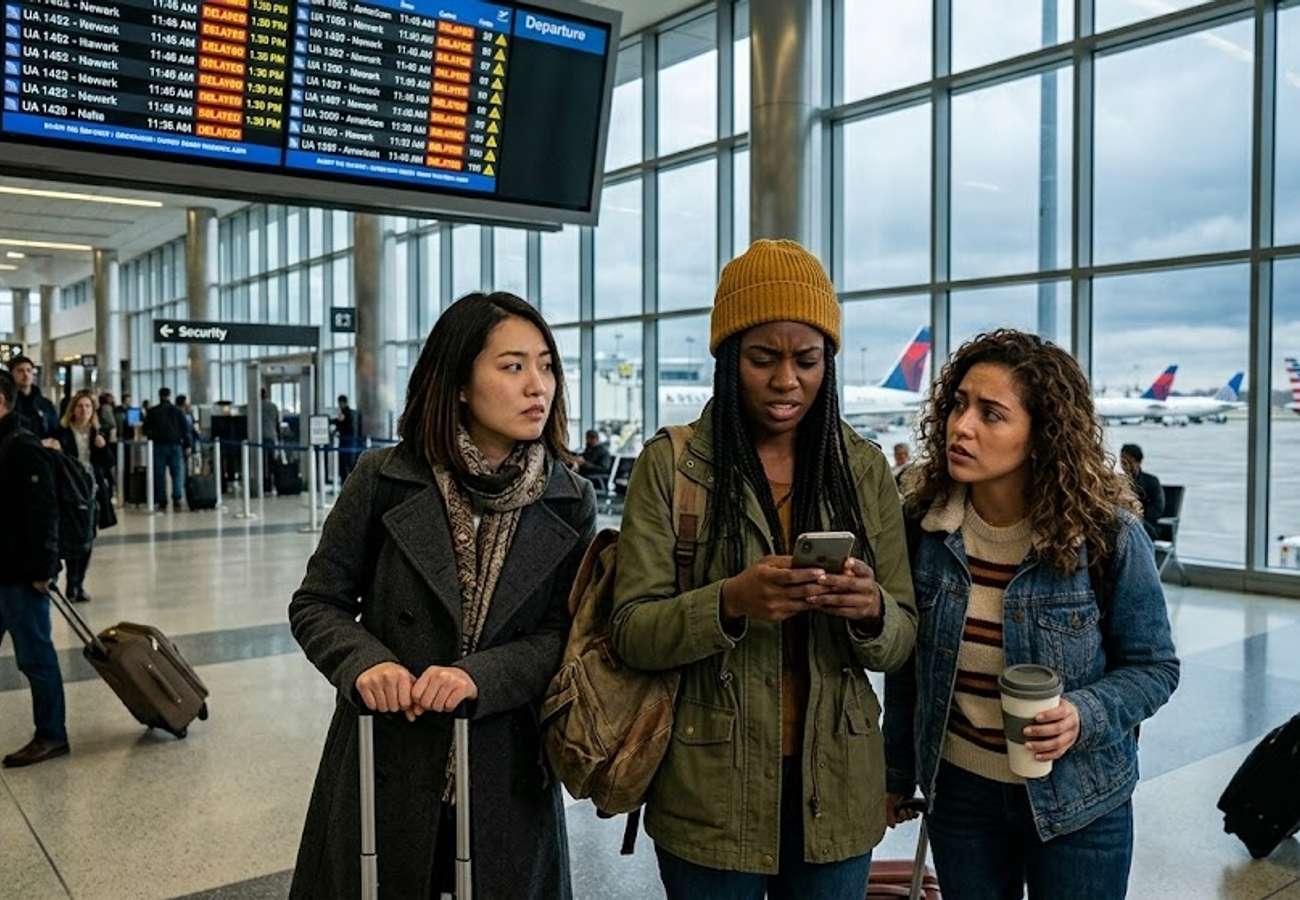
Image generated by AI
Headline Options:
- Factual/News: Trump Administration Proposes TSA Gold+ Privatization Across 220 US Airports, Impacting 47,000 Officers and 8,400 Positions
- Curiosity-Gap (Discover): TSA Officers Issue Dire Warning as New Privatization Push Threatens to Repeat Pre-9/11 Security Failures
- Problem-Solving (Search): What the TSA Gold+ Transition Means for US Airport Security and Passenger Screening in 2027
Standfirst: A sweeping shift in US aviation security is underway as the Trump administration moves to privatize screening at 220 airports. Federal officers warn that this departure from post-9/11 protocols could jeopardize national safety.
The Trump administration is aggressively expanding the Screening Partnership Program (SPP) through a new initiative titled "TSA Gold+." This program shifts the responsibility of airport security screening from federal Transportation Security Officers (TSOs) to private contractors. While the administration argues that private sector integration will unlock innovation and expand capacity, the American Federation of Government Employees (AFGE) has raised significant alarms.
The AFGE, representing 47,000 TSOs, contends that removing federal oversight from day-to-day operations is a regression to the security environment that existed prior to the September 11, 2001, attacks and the 1988 bombing of Pan Am Flight 103.
Flight & Airport Impact Breakdown
The transition to TSA Gold+ is not uniform but is scaling rapidly across the national aviation network.
- Current Private Integration: 20 airports currently utilize private screening, including San Francisco International (SFO) and Kansas City International (MCI).
- VIP/Hybrid Zones: Major hubs like John F. Kennedy (JFK) and Los Angeles International (LAX) already employ private screening for VIP locations.
- 2027 Priority Launches: Tampa, Charleston, and Des Moines are slated among the first to transition to the Gold+ model in 2027.
- Total Projected Scope: 220 airports, including small and non-hub locations, are expected to join the program.
- Workforce Reduction: An estimated 8,400 TSO positions (approximately 14% of the screening workforce) are at risk of replacement.
Comparative Analysis: Federal vs. Private Screening
Our analysis of the current operational structures reveals a fundamental shift in how security is managed and funded.
| Feature | Federal TSA Operations | Private Sector (TSA Gold+) |
|---|---|---|
| Operational Reach | Secures 420+ U.S. airports | Currently oversees 20 airports |
| Funding & Stability | Subject to federal budget cycles; vulnerable to government shutdowns | Privately funded; operations continue during federal shutdowns |
| Training Standards | Mandatory TSA Academy training and medical screenings | Must follow federal TSA procedures and Academy training |
| Oversight | Direct federal management | Federal TSA Director maintains oversight via ProTools |
Passenger Rights & Advisory
For the traveling passenger, the shift to TSA Gold+ may change the "face" of security, but the legal frameworks governing your rights remain constant.
Screening Experience and Recourse Our analysis of aviation policy suggests that while the personnel may be private contractors, they are legally bound by federal TSA screening procedures. For the passenger, this means:
- Consistent Standards: You are entitled to the same screening rigor regardless of whether the agent is a federal employee or a contractor.
- Complaints and Appeals: If you experience harassment or improper screening, the recourse remains through the TSA's official complaint channels, as the private firms operate under federal mandates.
Impact on Travel Timelines The administration claims Gold+ will "expand screening capacity." Passengers should monitor airport-specific advisories during the 2027 rollout in Tampa, Charleston, and Des Moines, as transitions between federal and private staffing can occasionally lead to temporary bottlenecks.
Industry Analyst View
The move toward privatization is primarily a fiscal and operational strategy. By bypassing federal budget cycles, airports can upgrade screening technology faster than the federal government allows. However, the AFGE's concerns highlight a critical tension: the balance between "customer experience" (efficiency) and "national security" (rigor).
The risk identified by AFGE National President Everett Kelley is that the "day-to-day" operational nuances—such as the intuition and experienced judgment of veteran federal agents—may be lost in a profit-driven private model. The claim that 14% of the workforce will be displaced suggests a lean-management approach that could potentially impact the quality of screening during peak travel surges.
The aviation industry is moving toward a hybrid model where security is treated as a service rather than a sovereign federal function.
Related Travel Guides
Disclaimer
This article is for informational and educational purposes only. It does not constitute legal, financial, or professional advice. While we strive to provide accurate and up-to-date information, travel policies, regulations, and conditions change rapidly. Always verify information with official sources before making travel decisions. Nomad Lawyer makes no representations about the accuracy, reliability, completeness, or suitability of the information provided. Readers should consult qualified professionals for advice specific to their circumstances. The views expressed in this article are those of the author and do not necessarily reflect the views of Nomad Lawyer.

Kunal K Choudhary
Co-Founder & Contributor
A passionate traveller and tech enthusiast. Kunal contributes to the vision and growth of Nomad Lawyer, bringing fresh perspectives and driving the community forward.
Learn more about our team →