
TSA Security Roles May Shift to Private Contractors by 2027
President Trump's 2027 budget proposes shifting TSA roles to private contractors, aiming to cut federal costs by $52 million. The move sparks debate over efficiency and security.

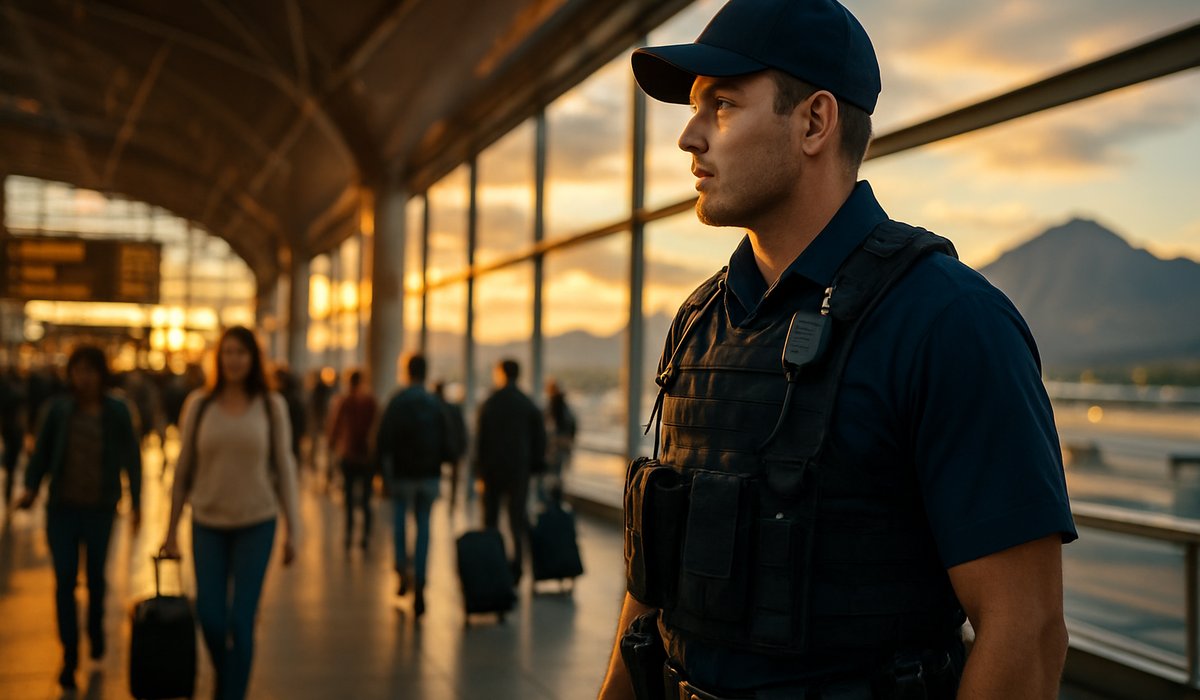
Image generated by AI
President Donald Trump's latest federal budget proposal for 2027 includes a significant shift in the operation of the Transportation Security Administration (TSA), suggesting the transition of key security roles to private contractors. This move aims to reduce federal expenditure by $52 million and is poised to reshape airport security across the United States.
Context and Background:
The proposal is anchored in the Screening Partnership Program (SPP), which has been a part of the TSA's operational framework for years. This program allows airports to opt for private security firms to manage screening processes, a practice already in place at several locations, including major hubs like San Francisco International (SFO) and Kansas City International (MCI). The Trump administration argues that private companies could introduce more efficient and cost-effective security solutions compared to federal operations.
Breaking Down the Geographic / Commercial Impact:
The proposed changes will not only affect smaller airports but also larger ones, potentially leading to a nationwide transformation in how airport security is managed. While some airports have successfully implemented private screening with results comparable to federal standards, the shift raises questions about uniformity and safety.
| Airport | Current Management | Proposed Change |
|---|---|---|
| SFO | Private | Continued Private |
| MCI | Private | Continued Private |
| Smaller Airports | Federal | Transition to Private |
What Travelers Can Expect:
- Potential Cost Savings: The initiative could reduce federal expenses by $52 million.
- Efficiency Improvements: Advocates suggest private firms might streamline operations.
- Security Concerns: Critics worry about the consistency and quality of security measures.
What This Means for Travelers:
Travelers could experience changes in security procedures, potentially benefiting from faster processing times at airports that adopt private screening. However, there may be initial disruptions as airports transition from federal to private management. It's advisable for passengers to stay informed about changes at their departure airport and allow extra time for security checks during the transition phase.
FAQ: TSA Privatization 2027
What is the Screening Partnership Program (SPP)?
The SPP allows airports to hire private security firms for screening operations while maintaining TSA oversight.
Why is the government considering privatization of TSA roles?
The primary goal is to cut federal spending by $52 million and potentially improve efficiency through private sector innovations.
How might this change affect TSA employees?
There are concerns about job losses and reduced benefits for TSA workers, as private companies may not offer the same employment terms.
Related Travel Guides
Disclaimer
This article is for informational and educational purposes only. It does not constitute legal, financial, or professional advice. While we strive to provide accurate and up-to-date information, travel policies, regulations, and conditions change rapidly. Always verify information with official sources before making travel decisions. Nomad Lawyer makes no representations about the accuracy, reliability, completeness, or suitability of the information provided. Readers should consult qualified professionals for advice specific to their circumstances. The views expressed in this article are those of the author and do not necessarily reflect the views of Nomad Lawyer.
Raushan Kumar
Founder & Lead Developer
Full-stack developer with 11+ years of experience and a passionate traveller. Raushan built Nomad Lawyer from the ground up with a vision to create the best travel and law experience on the web.
Learn more about our team →