
Trump Transportation Department Evaluates Spirit Airlines Amid Bailout Speculation
President Trump directs the Trump Transportation Department to assess Spirit Airlines' financial situation as bailout discussions intensify in 2026. Federal intervention remains uncertain amid carrier struggles.

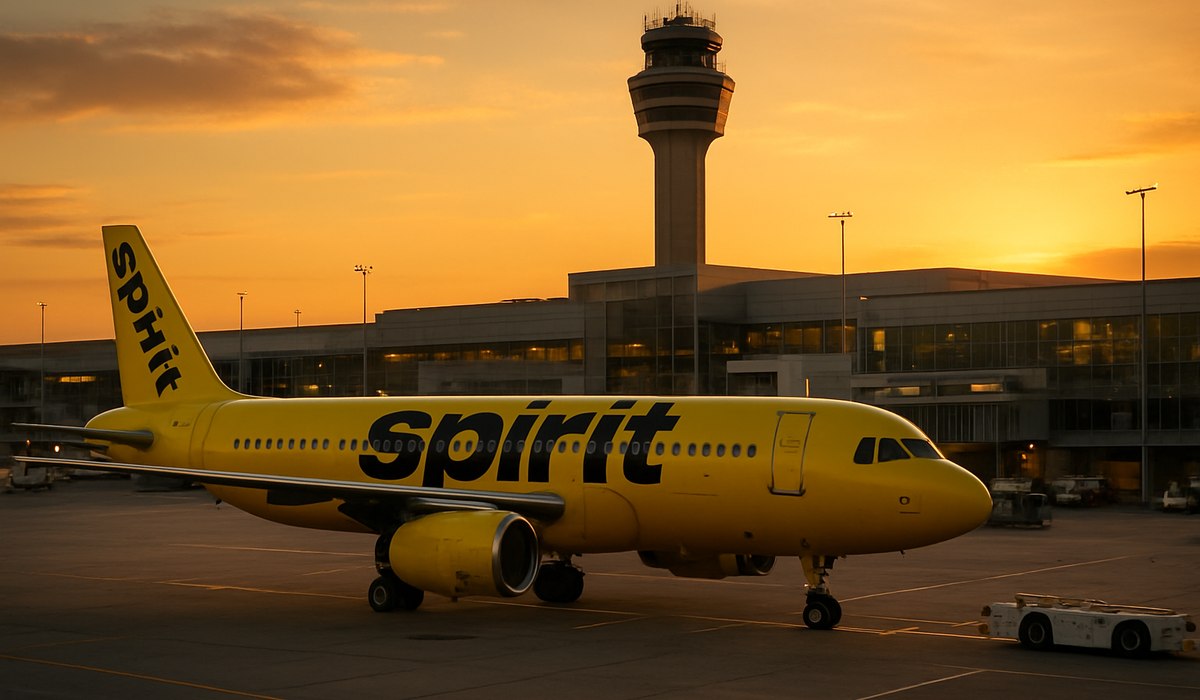
Image generated by AI
Trump Signals Potential Federal Intervention for Spirit Airlines
President Trump has directed the Trump Transportation Department to conduct a comprehensive review of Spirit Airlines, signaling potential federal support as the carrier faces mounting financial pressures in 2026. The directive comes amid growing speculation about whether the federal government might intervene with a bailout package. Administration officials are now examining the airline's operational viability and exploring whether federal assistance aligns with broader transportation policy objectives. This marks a significant development in discussions about government support for struggling carriers within the aviation sector.
Trump's Directive on Spirit Airlines
The Trump Transportation Department received explicit instructions to evaluate Spirit Airlines' current financial condition and operational challenges. This assessment represents the first formal step toward determining federal involvement possibilities. Administration sources indicate the review will examine multiple factors, including the airline's debt obligations, passenger volumes, and systemic importance to domestic air travel networks.
Spirit Airlines has struggled with profitability for several years, operating primarily as a low-cost carrier serving price-sensitive passengers across North America. The airline operates from multiple hub airports and maintains extensive domestic route networks connecting underserved markets. Current operational challenges have intensified discussions within the Trump administration about potential intervention mechanisms.
The directive emphasizes a comprehensive analytical approach rather than immediate bailout authorization. Officials must assess whether federal assistance would serve national transportation interests or represent an unprecedented market intervention. These evaluations typically require weeks of detailed analysis involving multiple government agencies.
Bailout Feasibility and Federal Options
Determining bailout feasibility requires examining historical precedents, current statutory authority, and fiscal constraints. The federal government previously supported carriers during the 2008 financial crisis and provided pandemic relief assistance in 2020. However, peacetime bailouts for financially struggling airlines remain exceptionally rare in American history.
The Trump Transportation Department must evaluate whether existing legislative frameworks permit direct financial assistance or whether congressional action would be necessary. Options might include secured loans, equity investments, or operational subsidies conditioned on specific performance metrics. Each approach carries distinct political and economic implications.
Federal support typically requires demonstrating that airline failure would cause demonstrable harm to national transportation infrastructure, employment, or public welfare. Spirit Airlines' role in regional aviation networks and its employment footprint of approximately 8,000 workers provide potential justification arguments. However, competitive market dynamics and fiscal responsibility concerns complicate the analysis.
Financial restructuring alternatives, including bankruptcy proceedings or merger arrangements, remain viable options the Trump Transportation Department will likely examine. These scenarios might achieve operational consolidation without direct federal expenditure. Industry observers note that market-based solutions could prove more politically feasible than explicit bailout mechanisms.
Impact on the Airline Industry
Federal intervention for Spirit Airlines would establish unprecedented precedent for low-cost carrier support at the federal level. The airline industry has historically resisted government intervention except during existential crises. A bailout decision could fundamentally alter how the Trump Transportation Department approaches struggling carriers.
Competitive carriers might argue for similar treatment if Spirit receives federal assistance. This could trigger broader demands for industry support packages, straining federal finances. Conversely, market consolidation through bankruptcy or merger might strengthen surviving competitors and improve industry profitability overall.
Regional aviation networks depend heavily on Spirit's operations in secondary markets. The carrier provides essential connectivity for passengers in areas with limited airline competition. Federal officials must weigh these connectivity benefits against broader industry competition principles.
Stock prices for competing carriers like Frontier Airlines and Southwest Airlines responded cautiously to bailout speculation. Industry analysts suggest potential government intervention could restructure competitive dynamics meaningfully. The Trump Transportation Department's final recommendations will likely influence investment decisions across the sector.
What This Means for Spirit Passengers
Spirit Airlines passengers should monitor official announcements regarding the carrier's financial status and operational continuity. The Trump Transportation Department's evaluation process may extend several weeks before formal conclusions emerge. Travelers should maintain flexibility when booking Spirit flights during this evaluation period.
Passenger protections under Department of Transportation regulations remain unaffected by potential bailout discussions. If Spirit Airlines ceased operations, passengers holding future reservations would receive rebooking options on alternative carriers or full refunds. Flight compensation rights for delays and cancellations persist regardless of federal intervention outcomes.
Frequent flyer members should carefully evaluate their loyalty currency and award redemptions given current uncertainties. Some passengers may prefer converting Spirit miles to partner airlines or hotel stays. Travel insurance becomes particularly valuable when booking Spirit flights during this uncertain period.
Baggage policies, seating arrangements, and other operational standards continue under normal protocols. The Trump Transportation Department's review does not immediately affect service quality or passenger experiences. However, passengers should expect potential fare changes if financial restructuring occurs.
Traveler Action Checklist
-
Review upcoming Spirit Airlines reservations and assess rebooking alternatives with competing carriers immediately.
-
Check your Spirit frequent flyer account balance and consider redeeming miles for flexible award tickets before potential policy changes.
-
Purchase comprehensive travel insurance covering airline insolvency and cancellation protection for any Spirit bookings made beyond 30 days.
-
Monitor official FAA and US DOT announcements at transportation.gov/airconsumer for updated guidance on airline status.
-
Contact Spirit Airlines directly for clarification on ticket protections, refund policies, and loyalty program terms under current conditions.
-
Track real-time Spirit flight operations using FlightAware to identify any service disruptions or cancellations.
-
Document your reservation confirmation numbers, payment receipts, and correspondence with Spirit for potential dispute resolution or refund claims.
Key Data and Timeline
| Factor | Details |
|---|---|
| Trump Transportation Department Directive | Issued April 21, 2026 to evaluate Spirit Airlines financial viability |
| Spirit Airlines Employment | Approximately 8,000 employees across North American operations |
| Hub Airports | Fort Lauderdale, Atlantic City, Chicago Midway, Las Vegas, Detroit |
| Annual Passenger Volume | Approximately 34 million passengers (2025 data) |
| Domestic Routes | Over 75 destinations across United States and Caribbean |
| Evaluation Timeline | Expected 4-8 weeks for preliminary Trump Transportation Department assessment |
| Previous Federal Support Precedent | 2008 crisis and 2020 pandemic relief packages |
| Congressional Authority Required | Likely necessary for direct financial assistance over specific dollar thresholds |
Frequently Asked Questions
Will Spirit Airlines definitely receive a federal bailout?
The Trump Transportation Department is conducting preliminary evaluations without predetermined conclusions. Federal bailouts for struggling airlines remain exceptionally rare. A formal recommendation from the Trump Transportation Department will precede any congressional action or financial commitment.
How does Spirit Airlines' situation affect my upcoming flight?
Current operations continue normally while the Trump Transportation Department completes its analysis. Passengers retain full DOT protections for delays, cancellations, and refunds. You should monitor official airline announcements and maintain backup travel plans independently.
What happens to my Spirit frequent flyer miles if the airline receives federal assistance?
Loyalty program changes depend on the specific restructuring terms the Trump Transportation Department recommends. Federal intervention typically includes passenger protections for loyalty accounts. Redeeming miles for partner airlines provides immediate protection regardless of outcomes.
Should I avoid booking Spirit Airlines flights during this evaluation period?
Personal risk tolerance varies based on travel flexibility and insurance coverage. The Trump Transportation Department's evaluation does not indicate imminent operational failure. Standard DOT passenger protections apply regardless of federal intervention decisions.
Related Travel Guides
- Washington Dulles Airport Experiences Flight Disruptions as Mesa and United Cancel Multiple Flights
- Cathay Pacific Global Leader: 2026 AirlineRatings Awards Recognition
- Cathay Pacific Dubai: Flight Suspension Extended Through April 2026
Important Disclaimer
This article provides informational analysis based on publicly available statements regarding the Trump Transportation Department's evaluation of Spirit Airlines as of April 21, 2026. Information presented reflects circumstances and announcements current at publication. Federal policy decisions
Disclaimer
This article is for informational and educational purposes only. It does not constitute legal, financial, or professional advice. While we strive to provide accurate and up-to-date information, travel policies, regulations, and conditions change rapidly. Always verify information with official sources before making travel decisions. Nomad Lawyer makes no representations about the accuracy, reliability, completeness, or suitability of the information provided. Readers should consult qualified professionals for advice specific to their circumstances. The views expressed in this article are those of the author and do not necessarily reflect the views of Nomad Lawyer.
Raushan Kumar
Founder & Lead Developer
Full-stack developer with 11+ years of experience and a passionate traveller. Raushan built Nomad Lawyer from the ground up with a vision to create the best travel and law experience on the web.
Learn more about our team →