
Trump Eyes Spirit Airlines Acquisition as Struggling Ultra-Low-Cost Carrier Faces Financial Collapse
Breaking airline news and aviation industry updates for 2026.

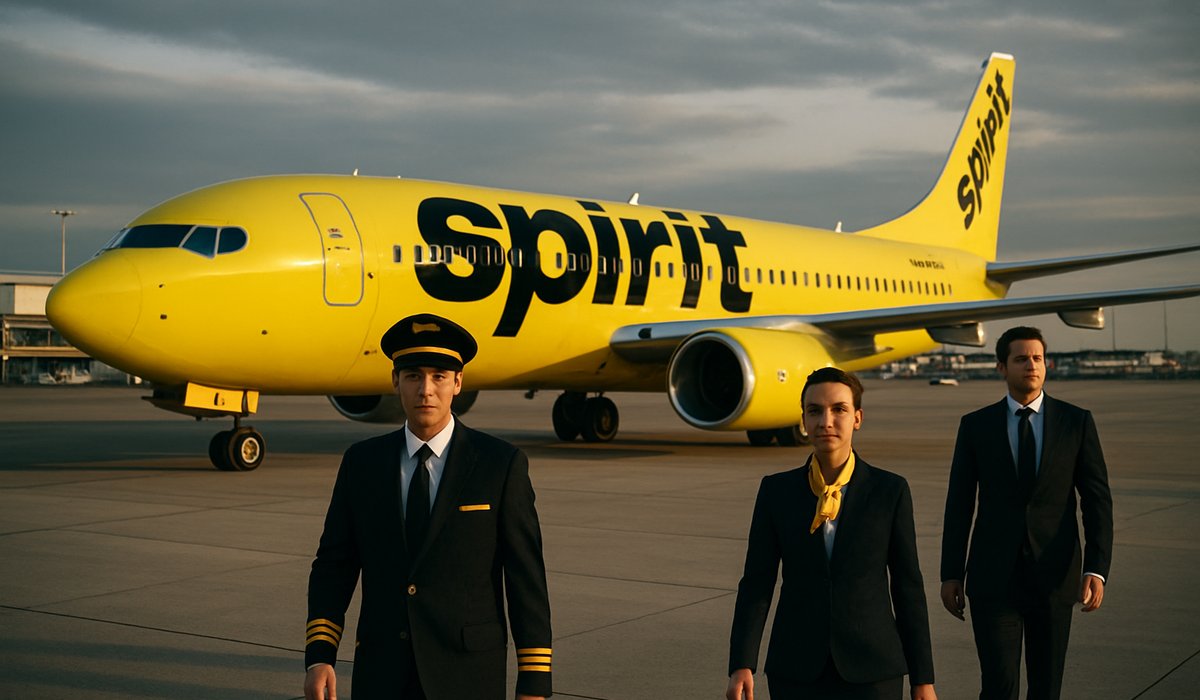
Image generated by AI
Trump Eyes Spirit Airlines Acquisition as Struggling Ultra-Low-Cost Carrier Faces Financial Collapse
Presidential interest signals potential lifeline for embattled budget airline as bankruptcy pressures mount
Breaking News
President Donald Trump has publicly expressed interest in acquiring Spirit Airlines, signaling a potential turning point for the financially beleaguered ultra-low-cost carrier. During recent remarks, Trump stated he would pursue a buyout of the struggling airline "if the price is right"—comments that arrive as Spirit navigates one of the most precarious periods in its operational history.
Spirit's Mounting Crisis
Spirit Airlines has endured years of mounting financial strain, with industry analysts warning the carrier could cease operations within weeks without substantial intervention. The Fort Lauderdale-based airline, once a pioneer in the budget aviation segment, has hemorrhaged value amid fuel price volatility, rising operational costs, and sustained competitive pressure from larger carriers who have aggressively expanded their own low-fare offerings.
The airline's deteriorating position reflects broader turbulence in the ultra-low-cost carrier (ULCC) sector, where slim profit margins and heavy dependence on ancillary revenue—baggage fees, seat selections, and other charges—have made carriers vulnerable to economic shocks and fuel price fluctuations.
Presidential Interest as Potential Rescue
Trump's acquisition interest introduces an unconventional variable into Spirit's survival equation. Should negotiations materialize, such a transaction could reshape the competitive landscape of U.S. budget aviation while potentially stabilizing a carrier that serves millions of cost-conscious travelers annually.
The timing of Trump's statement underscores Spirit's dire circumstances. The airline has struggled to maintain liquidity while competitors including Frontier Airlines and Southwest Airlines have strengthened their market positions. Spirit's reliance on ancillary revenue streams—including controversial baggage charges and seat selection fees—has faced increasing consumer backlash, further pressuring the carrier's financial recovery prospects.
Industry Implications
A presidential acquisition of Spirit Airlines would represent an unprecedented convergence of political interest and commercial aviation, with potential ramifications for airline pricing strategies, baggage policies, and competitive dynamics within the budget carrier segment.
Industry observers note that any meaningful turnaround at Spirit would require substantial capital injection, operational restructuring, and strategic repositioning to compete against increasingly aggressive fare wars from legacy carriers and well-capitalized low-cost competitors.
FAQ: Spirit Airlines and Aviation Industry Questions
Q: Why is Spirit Airlines facing bankruptcy? A: Spirit has been pressured by years of high jet fuel costs, rising operational expenses, increased competition from larger carriers, and unsustainable reliance on ancillary fees like baggage charges and seat selection fees.
Q: How do airline baggage fees impact overall travel costs? A: Baggage charges, typically $35-$50 per bag, significantly increase total trip expenses for passengers and have become a major revenue source for ultra-low-cost carriers, though controversial among consumers.
Q: What are ancillary revenues in aviation? A: Ancillary revenues include all fees beyond base ticket prices—baggage charges, seat selections, checked bag fees, and other services—which ultra-low-cost carriers rely on heavily to maintain profitability.
Q: How does jet fuel price volatility affect airline operations? A: Fuel represents 20-30% of airline operating costs; when prices spike, carriers either absorb losses or raise ticket prices and fees, directly impacting consumer travel costs.
Q: Could a Trump ownership of Spirit Airlines change industry dynamics? A: A potential acquisition could reshape competitive pricing, baggage policies, and market consolidation trends within the ultra-low-cost carrier segment, though exact operational changes remain speculative.
Related Travel Guides
Flight Delay Compensation Guide 2026
Understanding Airline Route Changes
Airport Security Process Updated (2026)
External Resources
Disclaimer
This article is for informational and educational purposes only. It does not constitute legal, financial, or professional advice. While we strive to provide accurate and up-to-date information, travel policies, regulations, and conditions change rapidly. Always verify information with official sources before making travel decisions. Nomad Lawyer makes no representations about the accuracy, reliability, completeness, or suitability of the information provided. Readers should consult qualified professionals for advice specific to their circumstances. The views expressed in this article are those of the author and do not necessarily reflect the views of Nomad Lawyer.
Raushan Kumar
Founder & Lead Developer
Full-stack developer with 11+ years of experience and a passionate traveller. Raushan built Nomad Lawyer from the ground up with a vision to create the best travel and law experience on the web.
Learn more about our team →