
Boeing 737 MAX vs. Airbus A320neo: The Real Cost Battle Reshaping Airline Fleet Strategy
Breaking airline news and aviation industry updates for 2026.

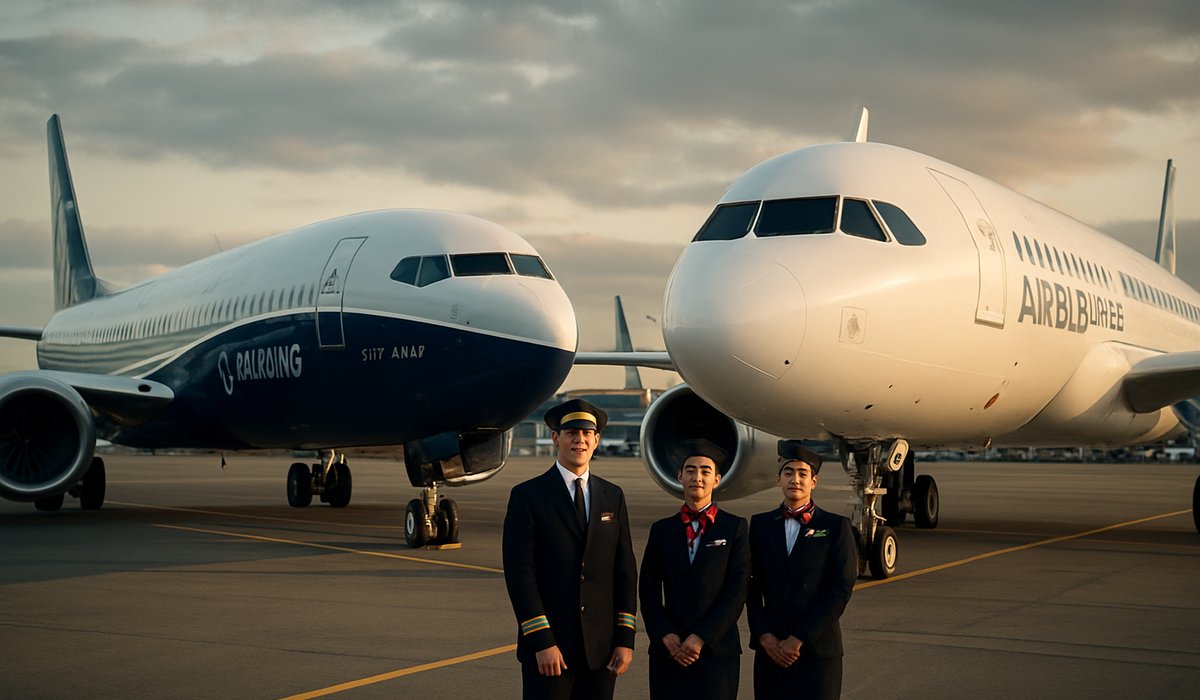
Image generated by AI
Boeing 737 MAX vs. Airbus A320neo: The Real Cost Battle Reshaping Airline Fleet Strategy
As carriers worldwide reassess their narrow-body aircraft portfolios, acquisition costs and long-term operating expenses emerge as the critical differentiators in one of aviation's most consequential purchasing decisions
The Price Tag Debate That Defines Modern Aviation Economics
Airlines face a pivotal choice as they modernize their fleets: investing in Boeing's 737 MAX or Airbus's competing A320neo platform. While manufacturers trumpet performance metrics—fuel efficiency, passenger capacity, and operational range—the financial reality tells a starkly different story. The true cost of ownership extends far beyond headline list prices, encompassing acquisition expenses, maintenance requirements, and long-term asset depreciation that ultimately determine profitability in an increasingly competitive travel market.
Understanding the Acquisition Cost Disparity
The Boeing 737 MAX and Airbus A320neo command significantly different price points on the open market. While official list prices remain closely guarded by manufacturers, industry analysts indicate substantial variations between the two platforms. However, the gap between published figures and actual transaction values—discounts negotiated between carriers and manufacturers—often obscures the true financial picture. Airlines with substantial order books frequently secure 40-50% reductions from list prices, meaning two carriers purchasing identical aircraft may pay vastly different sums.
Beyond Purchase Price: The Hidden Economics
The initial acquisition cost represents only the beginning of financial considerations. Maintenance expenses, spare parts availability, crew training requirements, and technical support infrastructure vary considerably between platforms. The 737 MAX's familiarity within many existing fleets—given the 737's decades-long market dominance—can translate into lower maintenance costs and more readily available technical expertise. Conversely, the A320neo's track record of fuel efficiency and advanced systems may yield operational savings over an aircraft's 25-30 year service life.
The Long-Term Residual Value Question
Perhaps most critically, airlines must evaluate how each aircraft will retain value in secondary markets. Residual values—the amount an aircraft fetches when sold or leased to another carrier—directly impact net ownership costs. An aircraft purchased for $100 million that retains 40% of its value yields dramatically different economics than one retaining only 30%, assuming identical operating costs.
Industry Impact and Strategic Implications
This financial calculus influences fleet decisions across the global aviation sector, affecting aircraft manufacturers' competitive positioning, supplier networks, and ultimately passenger ticket prices. Carriers prioritizing lowest total cost of ownership may select platforms based entirely on financial projections rather than performance capabilities—a trend that continues reshaping the competitive landscape between Boeing and Airbus.
FAQ: Aircraft Acquisition and Airline Economics
What is the approximate list price difference between the Boeing 737 MAX and Airbus A320neo? List prices vary, but the A320neo typically ranges from $110-125 million, while 737 MAX variants fall in the $120-135 million range, though actual transaction prices diverge significantly based on order volume and negotiating leverage.
How do maintenance costs compare between these two aircraft types? Maintenance expenses depend on fleet familiarity and technical support networks. The 737's longer market presence may reduce some costs, while the A320neo's advanced systems may offer operational efficiencies that offset higher specialized maintenance fees.
What role do residual values play in fleet acquisition decisions? Residual values—the resale price after 15-20 years—significantly impact total cost of ownership calculations, sometimes determining overall profitability even when initial purchase prices favor one platform.
Which aircraft offers superior fuel efficiency and long-term operating cost savings? The A320neo generally delivers 20% better fuel economy than earlier 737 variants, though 737 MAX improvements narrow this gap, making real-world operational patterns critical to accurate cost comparisons.
How do geopolitical factors influence aircraft purchasing strategies? Supply chain disruptions, trade tensions, and manufacturing capacity constraints increasingly affect delivery timelines and negotiated pricing, making strategic timing essential for airline procurement planning.
Related Travel Guides
Flight Delay Compensation Guide 2026
Understanding Airline Route Changes
Airport Security Process Updated (2026)
External Resources
Disclaimer
This article is for informational and educational purposes only. It does not constitute legal, financial, or professional advice. While we strive to provide accurate and up-to-date information, travel policies, regulations, and conditions change rapidly. Always verify information with official sources before making travel decisions. Nomad Lawyer makes no representations about the accuracy, reliability, completeness, or suitability of the information provided. Readers should consult qualified professionals for advice specific to their circumstances. The views expressed in this article are those of the author and do not necessarily reflect the views of Nomad Lawyer.
Kunal K Choudhary
Co-Founder & Contributor
A passionate traveller and tech enthusiast. Kunal contributes to the vision and growth of Nomad Lawyer, bringing fresh perspectives and driving the community forward.
Learn more about our team →