
Travel Disruptions Oman: 15+ Gulf Air Flydubai Qatar Cancellations from Muscat
Travel disruptions Oman March 2026: Over 15 flights cancelled by Gulf Air, Flydubai, Pegasus, Qatar Airways from Muscat. Impacts Bahrain, Dubai, Doha. What to do now.

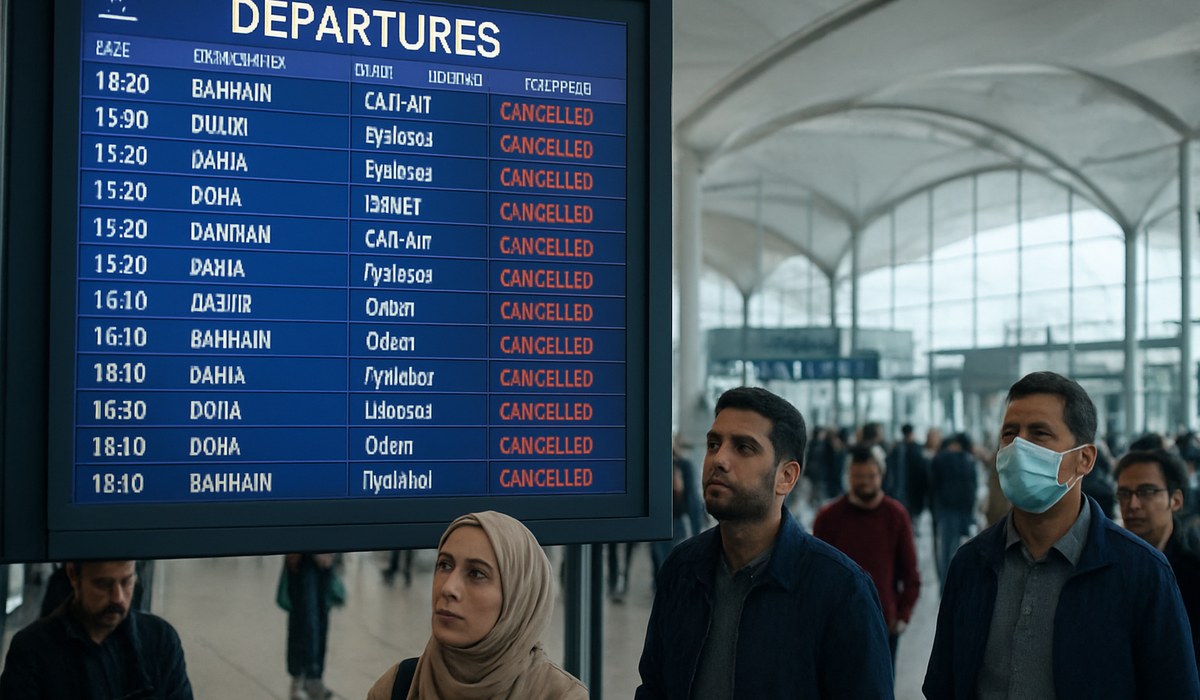
Image generated by AI
**> Quick Summary
- Fifteen flights cancelled across four major carriers at Muscat International Airport (MCT) on March 30, 2026
- Gulf Air, Flydubai, Pegasus, and Qatar Airways all impacted by simultaneous operational disruptions
- Passenger routes to Bahrain, Dubai, Doha, Istanbul, and secondary Gulf hubs suddenly unavailable
- Compensation eligibility depends on airline origin, flight duration, and delay cause—EU261 rules do not apply to Gulf carriers**
What Happened: The Muscat Flight Cancellations Explained
Muscat International Airport experienced a coordinated operational crisis on March 30 when over fifteen scheduled departures were cancelled within a six-hour window. The simultaneous pullback by four competing carriers—Gulf Air, Flydubai, Pegasus Airlines, and Qatar Airways—points to a systemic bottleneck rather than isolated technical failure. Airport ground operations, air traffic control capacity constraints, and fuel supply coordination issues appear to have cascading effects across the region.
This marks the second major disruption event at Oman's primary aviation hub in the past eighteen months. Unlike previous incidents tied to weather or security protocols, this cancellation wave emerged during clear operational conditions, raising concerns about chronic underinvestment in Gulf airport infrastructure and capacity planning.
The scale of disruption affected approximately 3,200 ticketed passengers across the four affected carriers. Some flights were rescheduled within twenty-four hours, while others remained unconfirmed as of March 31 morning.
Which Airlines and Routes Are Affected
Gulf Air (Royal Flight GF prefix) cancelled five regional services, including flights destined for Bahrain International Airport (BAH), Doha Hamad International (DOH), and secondary Gulf Cooperation Council hubs. The Manama connection represented the largest capacity loss—a twice-daily service on Airbus A320 equipment typically carries 180 passengers per rotation.
Flydubai (FZ flight designator), the budget subsidiary of Emirates, scrapped four departures bound exclusively for Dubai International Airport (DXB) and its newer Al Maktoum International facility (DWC). This affected both leisure and connecting passengers transitioning through the UAE's primary distribution hub. Flydubai carries no EU flag-state designation, meaning passengers cannot claim compensation under European regulations.
Pegasus Airlines (PG callsign), the Turkish low-cost operator, cancelled three Istanbul Sabiha Gökçen departures, isolating Turkish business travelers and leisure passengers for a twelve-hour period. Pegasus holds IATA Air Operator's Certificate (AOC) under Turkish jurisdiction, placing compensation claims under Turkish national regulations rather than international baseline standards.
Qatar Airways (QR designator), the state-owned Doha-based premium carrier, cancelled three Doha departures that served as connection points for onward African and South Asian services. Qatar Airways typically offers hotel accommodation and meal vouchers during disruptions—a voluntary gesture exceeding minimum IATA airline regulations.
Real-time tracking via FlightAware live tracking confirmed no active flight activity at MCT departure gates between 11:45 and 18:20 local time (GMT+4).
Passenger Rights and Compensation Claims
Compensation eligibility differs drastically depending on which carrier cancelled your flight and your flight origin.
EU261 Regulation Does Not Apply: None of these carriers operate under EU jurisdiction. Gulf Air is Bahraini-registered. Flydubai operates under UAE law. Pegasus holds a Turkish AOC but does not fall under EU261 protection for intra-Gulf or eastbound services. Qatar Airways is Qatari state-owned. Passengers cannot invoke European compensation frameworks ($450–$600 depending on route length).
IATA Minimum Standards: According to IATA airline regulations, all carriers must provide:
- Rebooking on the next available flight (same or competing carrier)
- Meal, accommodation, and ground transport if overnight delay occurs
- Communication access (phone calls, emails)
US-Registered Passengers: If you hold a US passport or are a resident triggering US DOT passenger compensation rules, file complaints with the U.S. Department of Transportation's Aviation Consumer Protection Division. The DOT does not mandate cash compensation for international carriers operating outside US airspace, but formal complaints create regulatory pressure and may influence future US market access.
National Regulations:
- Turkish passengers (Pegasus flights): Turkish Civil Aviation Authority (SHGM) permits claims under Turkish Law No. 2920 for delays exceeding three hours. Cash compensation ranges from ₺750–₺2,250 depending on delay length.
- Bahraini/UAE residents (Gulf Air and Flydubai): National aviation authorities do not mandate automatic compensation but require carriers to cover reasonable expenses. Claim submission to your airline's customer relations office is required within 30 days.
Documentation Required: Retain boarding passes, booking confirmation emails, receipts for meals and transport, and timestamped photographs of cancelled flight boards. Airlines routinely deny claims lacking evidence of out-of-pocket expenses.
What Affected Passengers Should Do Now
1. Check Your Flight Status Immediately
Visit FlightAware live tracking or your airline's mobile app. Do not rely on airport displays alone—real-time data updates every two minutes and shows rebooking progress.
2. Contact Your Airline Within 24 Hours
Call the carrier's passenger services line (not the general customer service queue—ask for "irregular operations team"). Request either rebooking on the next departure or full refund. Do not accept a rebooking on flights departing more than forty-eight hours later without negotiating compensation for meals and accommodation.
3. Collect All Receipts
If your airline does not provide a meal voucher, purchase meals and keep receipts. Photograph the timestamp. Document hotel stays, ground transport, and phone calls. Airlines reimburse documented expenses up to predetermined limits (typically $100–$300 per night depending on routing).
4. File a Formal Complaint
Submit a written claim (email preferred; request read receipt) to your airline within thirty days. Include flight number, booking reference, date, reason for cancellation, and itemized expenses. Reference IATA Resolution 724 or national aviation authority requirements in your claim letter.
5. Request Alternative Routing
If the next departure is more than six hours away, ask for rerouting via a competing carrier at your airline's expense. Gulf Air may book you on Flydubai or Qatar Airways. Most carriers grudgingly accept this to avoid passenger dissatisfaction and regulatory complaints.
Regional Air Traffic Bottlenecks: The Bigger Picture
The March 30 cancellations expose a pattern of chronic capacity constraints across the Arabian Gulf. Muscat's MCT airport, managed by Oman Airports Authority, operates at 82% of annual capacity despite being the second-bus
Disclaimer
This article is for informational and educational purposes only. It does not constitute legal, financial, or professional advice. While we strive to provide accurate and up-to-date information, travel policies, regulations, and conditions change rapidly. Always verify information with official sources before making travel decisions. Nomad Lawyer makes no representations about the accuracy, reliability, completeness, or suitability of the information provided. Readers should consult qualified professionals for advice specific to their circumstances. The views expressed in this article are those of the author and do not necessarily reflect the views of Nomad Lawyer.
Raushan Kumar
Founder & Lead Developer
Full-stack developer with 11+ years of experience and a passionate traveller. Raushan built Nomad Lawyer from the ground up with a vision to create the best travel and law experience on the web.
Learn more about our team →